


 , Bi Bi Zainab Mazhari2 , Muhammad Atif1,
Nada Amien3
, Abualgasim Elgaili Abdalla1, Manhal Ahmed Hamza4, Mohammed Yagoub Mohammed Elamir1 and Hasan Ejaz1Mannan-binding lectin (MBL) plays an essential role in the innate immune system, being a first-line defense against a variety of pathogens. As a pattern recognition molecule, MBL binds to specific carbohydrate structures on the surface of bacteria, viruses, fungi, and parasites. This binding activates the lectin complement pathway, resulting in pathogen opsonization, inflammation, and direct lysis. Additionally, MBL stimulates phagocytosis by promoting microbe recognition and uptake by immune cells. Low levels or variant alleles of MBL are associated with enhanced risk of infection, autoimmune diseases, and inflammatory pathologies. In this review, we investigate MBL’s molecular mechanisms and physiological role, as well as its clinical relevance and therapeutic opportunities. Based on updated knowledge on immunology and genetics, we analyze how deficiencies in MBL affect immune responses and diseases. We speculate on the possibility of MBL-based therapies to cure immune-related diseases. Despite MBL’s important role in immunity, we are far from a comprehensive understanding of its interactions in the larger network of innate immunity. Generating therapeutic strategies that boost MBL function in immunocompromised hosts would be of interest.
Immunity, Lectin Complement Pathway, Pattern Recognition Molecules, MBL Deficiency, Immune-Related Diseases, Therapeutic Strategies
The basics of the immune system
The innate immune system is the front line of defense against pathogens. It is fast-acting and nonspecific in response to infections.1 and is capable of a response without prior exposure to a pathogen, unlike the adaptive immune system.2 It consists of various physical barriers, immune cells, and soluble mediators.3 Physical barriers, such as the skin and mucous membrane, are the first line of defense that prevents pathogen entry.4 Immune cells, including natural killer cells, neutrophils, dendritic cells, and macrophages, are activated when these barriers are breached.5 These cells recognize common pathogen-associated molecular patterns (PAMPs) via pattern recognition receptors, leading to the engulfment and elimination of the invaders.6 For example, Toll-like receptors (TLRs) on macrophages activate phagocytosis and inflammation after recognizing bacterial elements.7 A group of plasma proteins, the complement system, is critical as it either directly kills infections or targets them for removal.8 Pathogen lysis is mediated by the membrane attack complex (MAC), generated following activation of the complement cascade8 Detachable effectors known as cytokines and chemokines facilitate immune cell attraction and intensify the work of these cells, thereby orchestrating inflammation.9 A cytokine that is particularly important for anti-viral defense is interferon, which prevents viruses from replicating in the host.10 The innate immune system is faster but less accurate and has no memory, unlike the acquired immune system.11 However, it is critically important to the initiation and expansion of adaptive defense.11 One such cell type is dendritic cells, which process antigens and present them to T cells. Thus, dendritic cells bridge innate and adaptive responses12 (Figure 1). In summary, the network of physical barriers, immune cells, and soluble factors comprising the innate immune system provides the first line of defense against infections, as well as forming the basis for the subsequent adaptive immune response.
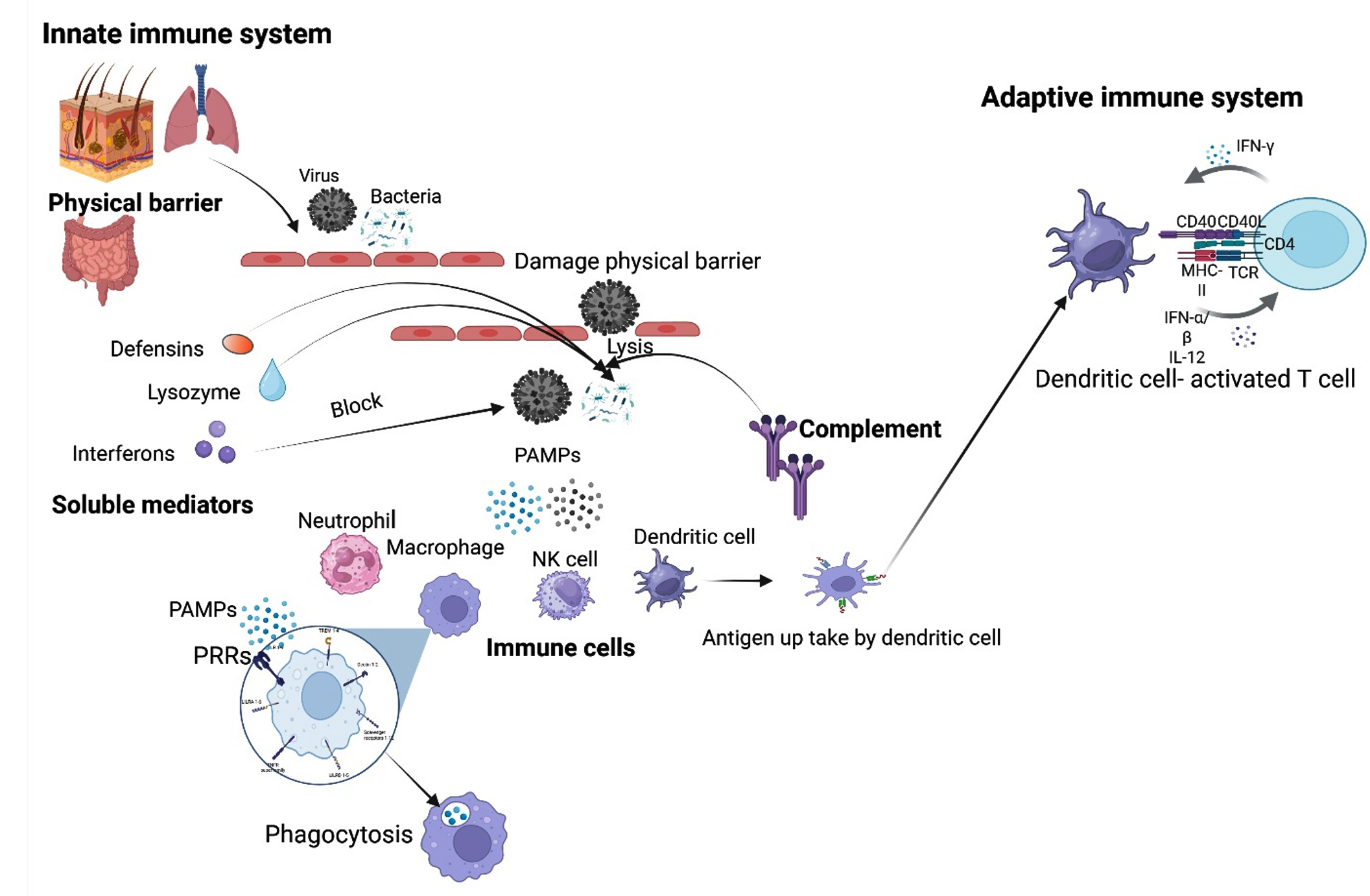
Figure 1. The interplay between innate and adaptive immunity. Physical and chemical barriers are the first line of defense and are followed by innate immune cells and soluble mediators that sense pathogens and begin the process of phagocytosis. This, in turn, introduces antigens to T cells, which form a link between innate and adaptive immune responses
Pattern recognition molecules and mannan-binding lectin
Pattern recognition molecules (PRMs) are required for the rapid detection and killing of potential pathogens in innate immunity.13 PAMPs, which are conserved structures that are absent in the host cell system but abundant in microbes, can be recognized by these molecules.14 There are two classes of PRMs: soluble PRMs (collectins, ficolins, and pentraxins); and membrane-bound receptors or TLRs.15 Mannan-binding lectin (MBL), a soluble PRM, is a key component of the lectin complement activation pathway, one of the essential components of the innate immunological response.16 MBL is mainly synthesized in the liver and is a C-type lectin that circulates as an oligomeric protein in the blood.17 It is linked to MBL-associated serine proteases (MASPs), and the activation of the MBL–MASP complex leads to complement activation on recognition of pathogens. This results in direct lysis of the microorganism by the MAC as well as enhanced phagocytosis and opsonization.8 In addition to its role in pathogen clearance, MBL contributes to immunological homeostasis via inflammation regulation and apoptotic cell clearance.18 However, genetic polymorphisms in the MBL2 gene alter MBL levels and functional activity, rendering some individuals more susceptible to autoimmune diseases, inflammatory diseases, or recurrent infections. Due to these properties, MBL has been suggested as a useful biomarker for severity of and susceptibility to disease.16 Understanding the mechanisms underlying MBL activity has opened new opportunities to develop therapeutic interventions for immune-based diseases.19 MBL’s complex role in innate immunity and its implications for human health and disease warrant further consideration.
Should the role of mannan-binding lectin be reviewed?
As an important PRM, MBL recognizes the carbohydrate part of microorganisms and initiates the lectin complement cascade, which destroys the invading pathogen.20 However, the importance of MBL extends beyond complement activation as it also functions in opsonization, inflammation modulation, and the clearance of apoptotic cells.15 The study of MBL in different diseases is important because of its broad spectrum of immunological activities.21 Interindividual differences in immune responses are associated with the genetic diversity of the MBL2 gene, which in turn influences MBL levels and activity. Increased susceptibility to infections has been attributed to MBL deficiency, particularly in immunosuppressed individuals, neonates, and patients with chronic diseases.22 Conversely, increased MBL activity is associated with autoimmune and inflammatory disorders, such as systemic lupus erythematosus and rheumatoid arthritis.23 Knowledge of MBL’s role in both disease and health may provide insights into how its dysregulation affects etiology and its potential diagnostic and therapeutic applications.24 Moreover, the study of MBL as a biomarker could be of assistance in prognosis and risk prediction for inflammatory and infectious conditions.25 Further investigation of the molecular mechanisms of MBL activity could expand our ability to manipulate immune responses for therapeutic benefit. A more thorough understanding of MBL’s function is important for the establishment of novel therapeutic strategies and improved disease management in the broader context of innate immunity.
Structure and biochemistry of mannan-binding lectin
Structure of mannan-binding lectin at the molecular level
Mannan-binding lectin is an oligomeric protein composed of many subunits, each containing a C-type lectin domain that is responsible for recognizing carbohydrate patterns on the surface of pathogens.26 MBL is a trimer composed of 32 kDa polypeptide chains,27 which constitute a homotrimer through a triple-helical region that is reminiscent of collagen.27 The major structural unit of MBL is a trimer of identical polypeptide chains with a molecular mass of ≈kDa. The chains form a homotrimer through a collagen-like triple helical domain.16 Optimal pathogen recognition and complement activation require that the trimers can further oligomerize into higher-order oligomers, most often as tetra- or hexameric assemblies28 (Figure 2). MBL activates the lectin pathway of the complement system by binding with high affinity to mannose, fucose, and N-acetylglucosamine residues on microbial surfaces in certain structural orientations.29 This activation is mediated by MASPs, including MASP-1 and MASP-2, which cleave complement factors C4 and C2, leading to the generation of the C3-convertase complex.30 Since higher-order multimers show greater binding affinity and more efficient complement activation, MBL’s oligomeric structure is a requirement for functional activity.31 In addition, genetic polymorphisms affecting MBL oligomerization and serum levels could potentially contribute to an individual’s predisposition to inflammatory and infectious diseases32 (Figure 3). Understanding MBL’s structure at the molecular level contributes to knowledge about how it operates in host defense and how receptor-interacting protein (RIP) kinases of the immune system are affected by MBL deficiencies.
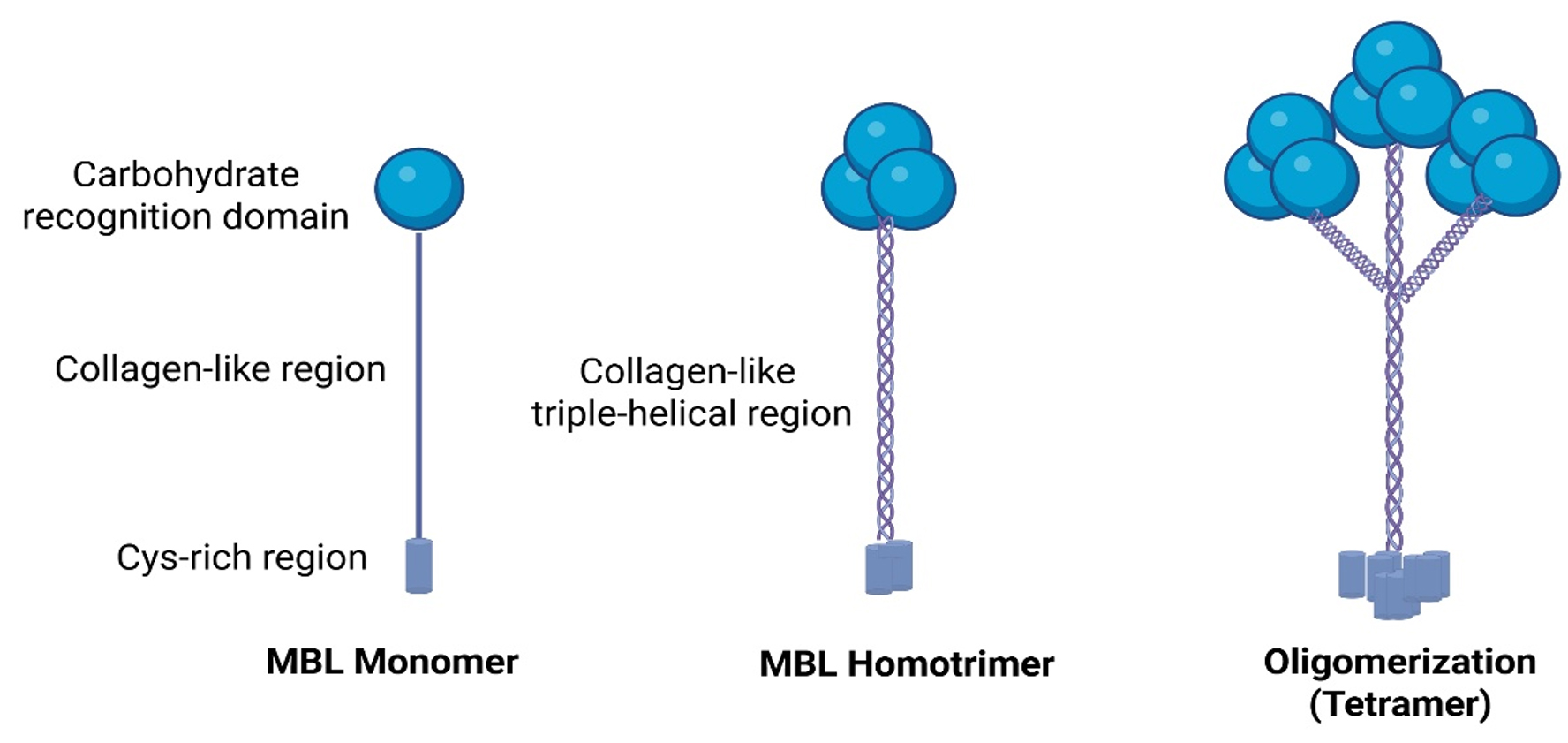
Figure 2. The structural organization of mannose-binding lectin (MBL), showing its monomeric domains, assembly into homotrimers, and further oligomerization into functional complexes
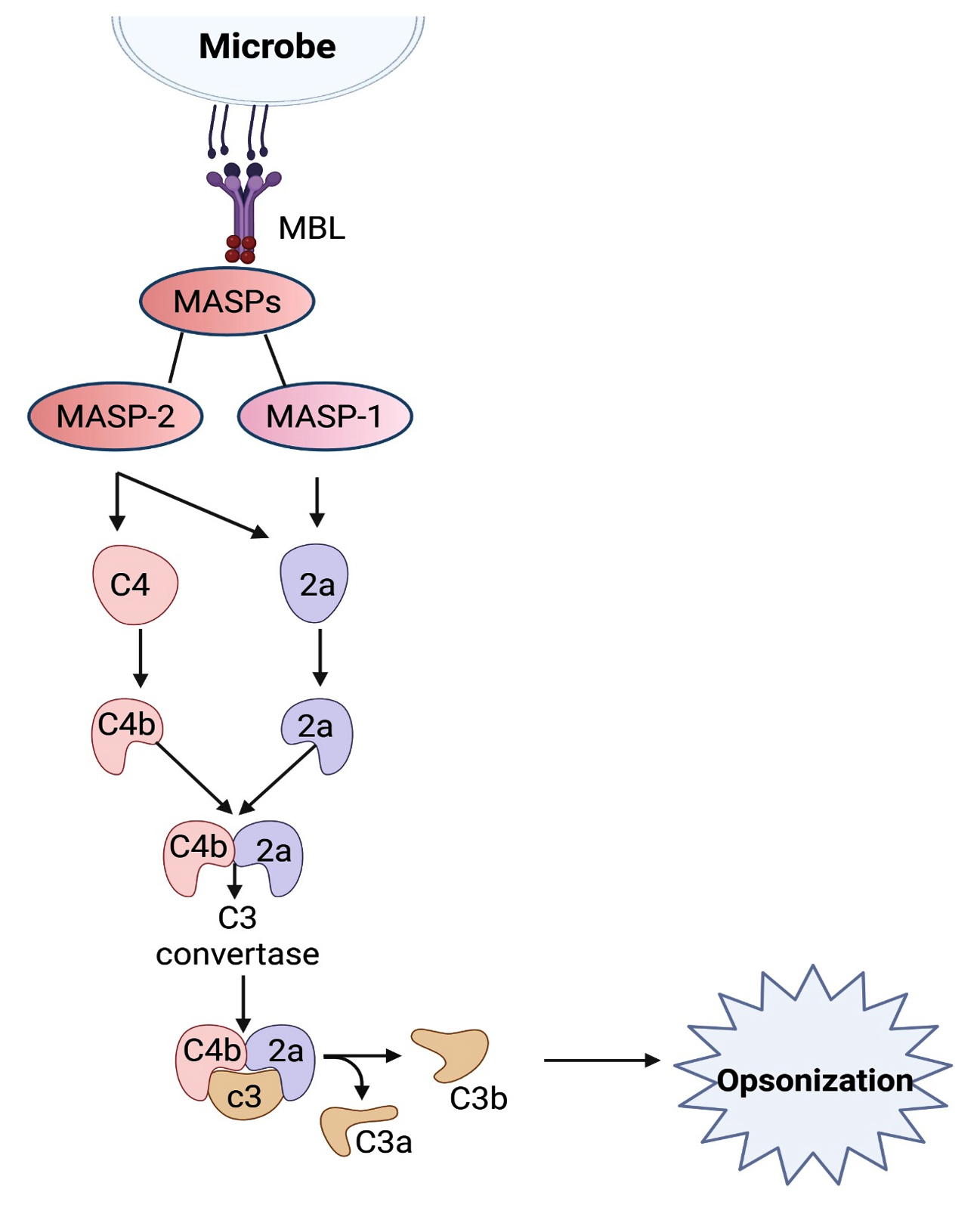
Figure 3. Mannan-binding lectin’s (MBL’s) binding to microbes activates MASP-1 and MASP-2, resulting in the activation of the lectin pathway. MASP-2 cleaves C4 and MASP-1 cleaves C2, leading to the creation of C3 convertase (C4b2a). C3 convertase subsequently cleaves C3 to form C3a and C3b, which induce opsonization and increased pathogen elimination
Genetics and polymorphisms of mannan-binding lectin
The MBL gene (MBL2) is highly polymorphic and its changes have a marked influence on MBL’s functional efficiency and serum levels.32 Transcriptional efficiency and protein stability are altered by polymorphisms in the promoter and structural regions of the MBL2 gene.33 Three common single-nucleotide polymorphisms (SNPs) in exon 1—at codons 52 (D variant), 54 (B variant), and 57 (C variant)—disrupt the collagen-like domain, impair oligomerization, and consequently reduce MBL activity.33 In addition, MBL expression is regulated by polymorphisms in the promoter area, including -221 X/Y and -550 H/L.31 These genetic variants result in phenotypic variation in susceptibility to inflammatory diseases, autoimmune diseases, and infection.34 Defective MBL allele carriers lack appropriate levels of MBL in serum, which limit their ability to trigger the lectin pathway of complement activation.16 Although MBL deficiency has been shown to be associated with increased risk of bacterial, viral, and fungal infections, alternative evidence suggests a protective role for this molecule in inflammatory diseases such as cystic fibrosis and systemic lupus erythematosus.35 MBL polymorphisms have clinical implications for disease severity, susceptibility, and therapy. Understanding the genetic basis of variations in MBL concentrations provides information about host–pathogen interactions and their application in personalized treatment, mainly for populations showing diversity in the MBL gene.36 Further study of MBL polymorphism and its functional consequences may provide greater insights into innate immune function in health and disease in humans.
Mode of binding to pathogens
Mannan-binding lectin, being one of the key components of the innate immune system, recognizes and binds to PAMPs such as those present on the surface of various bacteria.37,38 Structurally, MBL is an oligomeric protein with numerous carbohydrate-binding sites or recognition domains, which serve to increase the avidity of MBL binding through multivalent association with the pathogen surface.39 On binding to a potential target, MBL activates the lectin complement pathway, in cooperation with MASPs. This causes the complement factors C4 and C2 to cleave, thus creating the C3 convertase complex.16 This activation results in the production of the MAC that leads to pathogen lysis and opsonization, thereby aiding immune cell phagocytosis.40 Moreover, MBL can recognize and directly kill some viruses and thus prevent them from infecting host cells by blocking their binding to host cell receptors. MBL has been shown to induce immune cell recruitment and inflammation as well as complement activation, which clears pathogens.41 The role of MBL-dependent immune responses varies from person to person according to their genotype, which affects both the functional capacity of the lectin and its serum levels; this susceptibility to infection is then determined by the state of the antigen-presenting cells42 (Figure 3). Understanding the molecular mechanisms associated with MBL–pathogen interactions will not only increase our knowledge about the function of MBL in host defense but will also be invaluable in the development of MBL-based strategies for the treatment of infectious diseases and immunodeficiencies.
Mannan-binding lectin in pathogen recognition
Role in recognizing microbial carbohydrate patterns
Mannan-binding lectin, which recognizes and binds to certain sugar structures on the surface of various bacteria, is necessary for innate immunity.43 MBL, as a pattern recognition receptor, recognizes PAMPs, such as mannose and N-acetylglucosamine residues, present on bacteria, viruses, fungi, and parasites. It is a critical component of the lectin pathway of complement system activation.13 MBL binds to these microbial carbohydrates and then cleaves the complement proteins C4 and C2, leading to conformational changes that stimulate the activation of MASPs.44 The end products of this cascade are the MAC, opsonization, and enhanced phagocytosis by immune cells.45 MBL not only contributes to opsonophagocytosis and inflammation, but also increases activation of the complement system, thereby enhancing the immune system. Its importance for the first-line defense mechanism is demonstrated by its broad pathogen recognition.46 Furthermore, MBL’s crucial role in microbial detection and clearance is highlighted by the association between MBL deficits and increased risk of infection.47 Differences in the expression and polymorphisms of the MBL gene can influence the binding of MBL and its immune efficiency48 (Figure 4). By accurately characterizing microbial carbohydrate patterns, MBL yields information on the phylogenetic relationships between host and pathogen and potential therapies. As an important guardian, it bridges innate and adaptive immunity through successful immune responses.
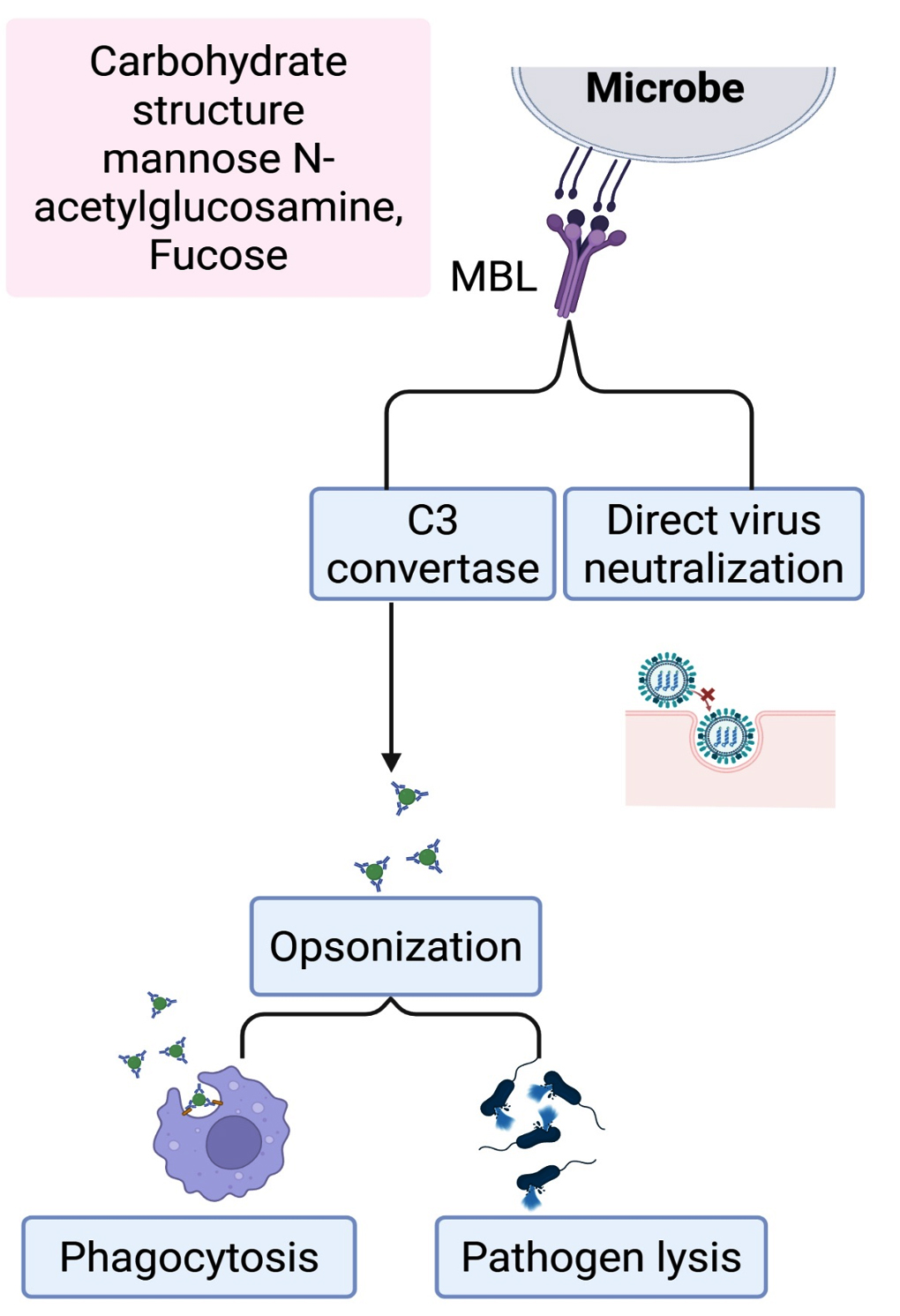
Figure 4. Mannan-binding lectin (MBL) recognizes specific microbial carbohydrate structures such as mannose and fucose. MBL activates the complement system via C3 convertase, leading to opsonization, phagocytosis, and pathogen lysis. Additionally, MBL can directly neutralize viruses by preventing their entry into host cells
Interaction with pathogenic fungi, bacteria, viruses, and parasites
As a key component of the innate immune response in humans, MBL plays a role in host defense against numerous harmful pathogens, such as bacteria, viruses, parasites, and fungi.49 As a pattern recognition molecule, MBL binds to carbohydrate moieties, such as mannose and N-acetylglucosamine, present on the surface of a variety of pathogens. This contact activates the complement system’s lectin pathway, leading to opsonization, enhanced phagocytosis, and direct microbial kill.50 MBL has been shown to recognize Aspergillus fumigatus and Candida albicans in fungal infections and facilitate immune clearance.51 Similarly, MBL is able to bind to bacterial pathogens such as Escherichia coli and Streptococcus pneumoniae and thereby promote complement activation and the killing of these bacteria.52 As MBL has the ability to recognize glycosylated viral envelope proteins, such as those in influenza, HIV and coronaviruses, it may bind to viral particles and prevent them from entering and infecting host cells.53 Moreover, MBL enhances parasite recognition and immunological clearance in immune responses against protozoan parasites such as Plasmodium falciparum and Leishmania species.54 MBL’s significance for innate immunity is highlighted by the fact that its variations or abnormalities can result in heightened vulnerability to infections.55 A better understanding of how the MBL system contributes to the outcome of various pathogens could lead to novel therapeutic strategies for infectious diseases.
Mannan-Binding Lectin and the Complement System
Lectin pathway activation
Mannan-binding lectin can recognize and bind to a variety of pathogens, such as bacteria, viruses, fungi, and parasites, which express carbohydrate structures on their surfaces.56 MASP is derived from these complexes and cleaves the complement components C4 and C2, leading to the formation of C3 convertase (C4b2a).57 One of the critical steps in the complement cascade, C3 convertase generation, leads to the creation of C3b, which can promote phagocytosis and opsonization and, in concert with other factors, the formation of the MAC, resulting in pathogen lysis.58 The lectin pathway is an important frontline defense against infection, as it does not require activation by antibodies, unlike the classical pathway.59 MBL’s broader immunoregulatory functions are also illustrated by its contribution to inflammation inhibition and apoptotic cell clearance.16 MBL or MASP defects, in the context of protease deficiencies, can also predispose to infection in some circumstances, particularly when the immune system is susceptible.60 Knowledge about the molecular mechanisms of MBL activation in the lectin pathway could enhance the therapeutic application of MBL in infectious diseases and immune-related diseases61 (Figure 5). Due to their roles in pathogen recognition and immunoregulation, MBL and the lectin pathway remain a major subject of immunological research in the context of host defense and innate immunity.
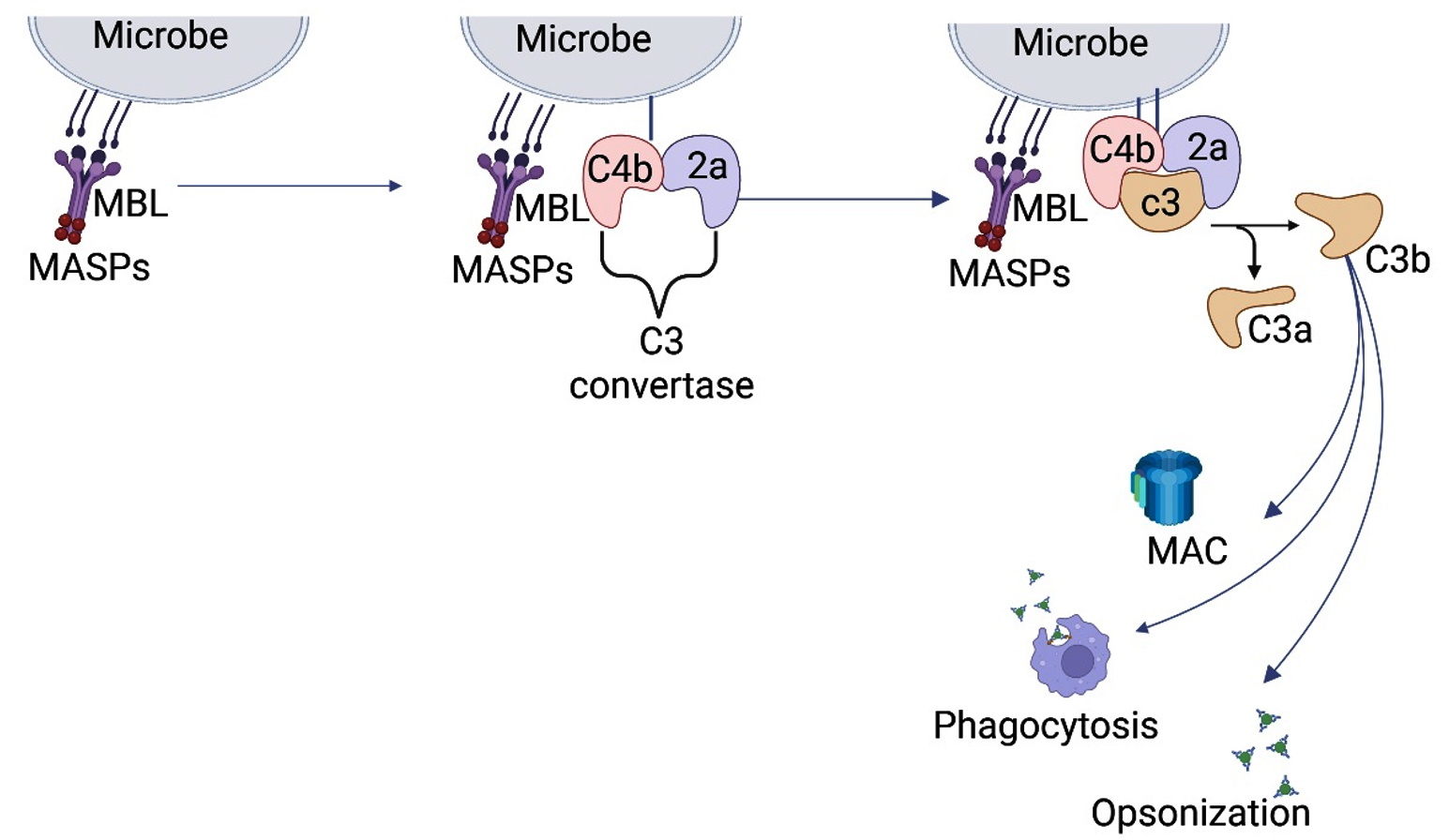
Figure 5. The lectin pathway of the complement system. Mannan-binding lectin (MBL) binds to the surface of the microbe and becomes the receptor for MASPs, which subsequently cleave C4 and C2 to produce C3 convertase (C4b2a). C3 convertase splits C3 to C3a and C3b, resulting in the membrane attack complex (MAC), phagocytosis, and opsonization
Molecular associations with mannan-binding lectin-associated serine proteases
The activation of the MBL pathway of the complement system entails the binding of different serum proteins, collectively termed MASPs. The activation of this group of proteins by MBL engenders a cascade of immune responses. After PAMPs bind to it, MBL undergoes conformational changes, which are facilitated by its ability to associate with MASPs (principally MASP-1, MASP-2, and MASP-3).30 MASP-1, in particular, initiates complement activation by autoactivating and cleaving MASP-2, whose product then cleaves C4 and C2 to give C3 convertase (C4b2a).62 MASP-3, whose role is less well understood, is also believed to control the activity of MASP-1 and to participate in alternative pathway activation.63 MBL is linked to coagulation and inflammation as a result of the activation of these proteases on non-complement substrates.64 MASPs have a number of domains, including complement control protein domains and a catalytic serine protease domain, which are understood to be involved in the interaction with MBL.65 The physiological relevance of these molecular interactions is reinforced by the relationship between immune disorders, such as thrombotic disorders, MBL deficiency, and MASP activity dysregulation30 (Figure 6). Elucidating the MBL–MASP interaction is crucial for designing therapeutic strategies to modulate complement activation in infectious and inflammatory diseases.
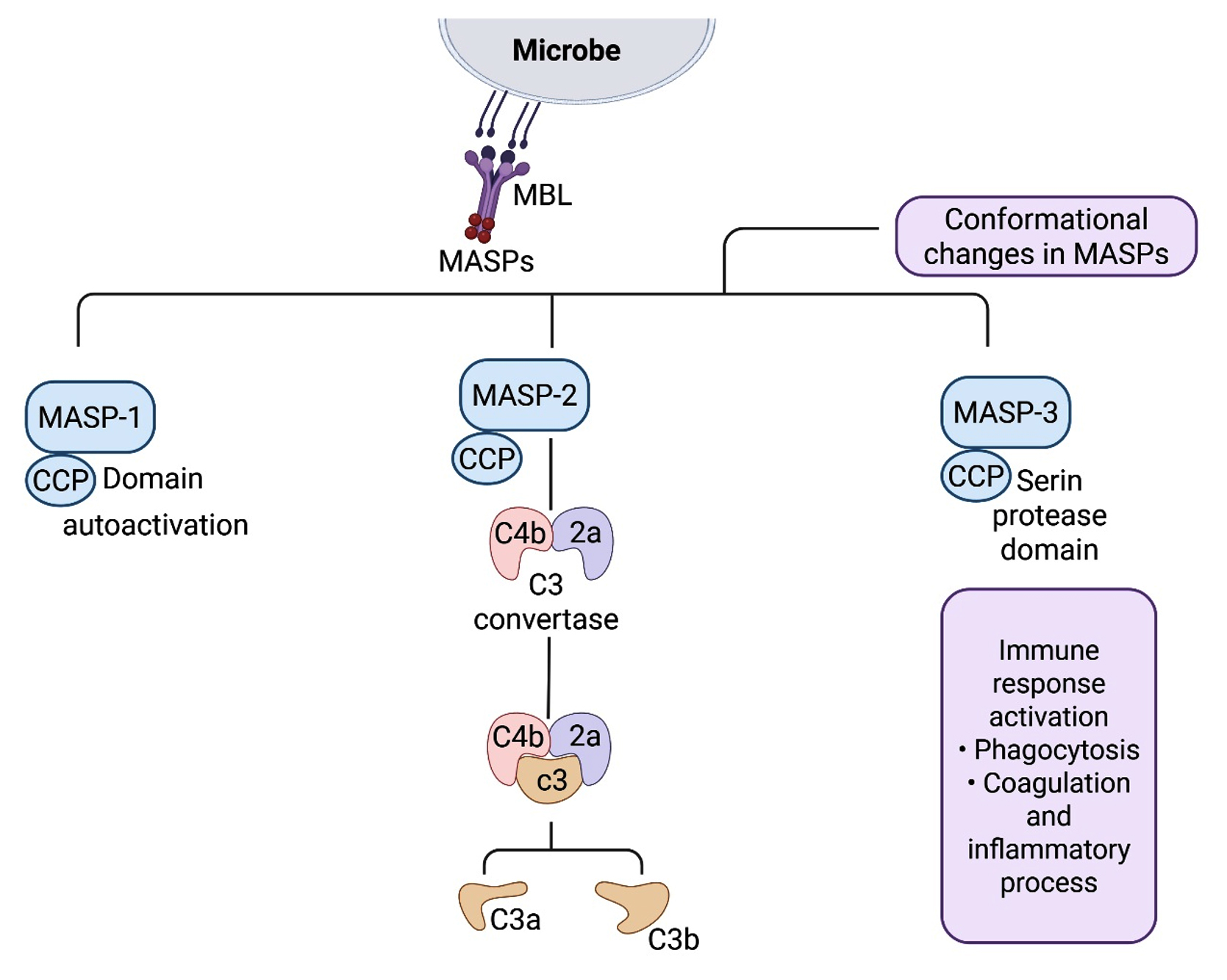
Figure 6. The function of mannan-binding lectin (MBL)-associated serine proteases (MASPs) in the lectin pathway. On ligation by microorganisms, MBL, MASP-1, -2, and -3 are activated by conformational alterations. MASP-2 produces C3 convertase that cleaves C3 into C3a and C3b, which activate phagocytosis, inflammation, and coagulation
The downstream effects of opsonization and inflammation
Mannan-binding lectin is important for innate immunity due to its mediation of opsonization and inflammation.44 MBL associates with carbohydrate motifs on pathogen surfaces and activates the complement lectin pathway.66 Consequently, complement components, in particular C3b, are deposited on the surface of the microbe, thereby enhancing opsonization and thus facilitating phagocytosis by neutrophils and macrophages.67 The binding of opsonized pathogens by complement receptors on phagocytes further promotes their removal and thus reduces the likelihood of systemic infection. MBL also plays a role in regulating cytokine synthesis, which has an impact on the inflammatory response.50 The pro-inflammatory mediators required for pathogen resolution (including IL-6, IL-1β, and TNF-α) are secreted following their recognition by immune cells.68 However, high levels of or unregulated MBL activity may promote inflammatory diseases through the tissue damage caused by complement activation and cytokine storms inside the body.69 MBL deficiency leads to defective opsonization, resulting in reduced pathogen clearance, which increases susceptibility to infection, particularly in immunodeficient individuals.70 Conversely, MBL’s double duty of host defense and immune regulation is exemplified by its involvement in autoimmune and inflammatory diseases when overactivated71 (Figure 7). This demonstrates that MBL is essential for both normal and aberrant immune responses, which underscores its significance in innate immunity. Understanding how MBL influences opsonization and inflammation downstream could help to unlock how it might be used as a therapy, particularly to reset the immune system response to infectious and inflammatory diseases.
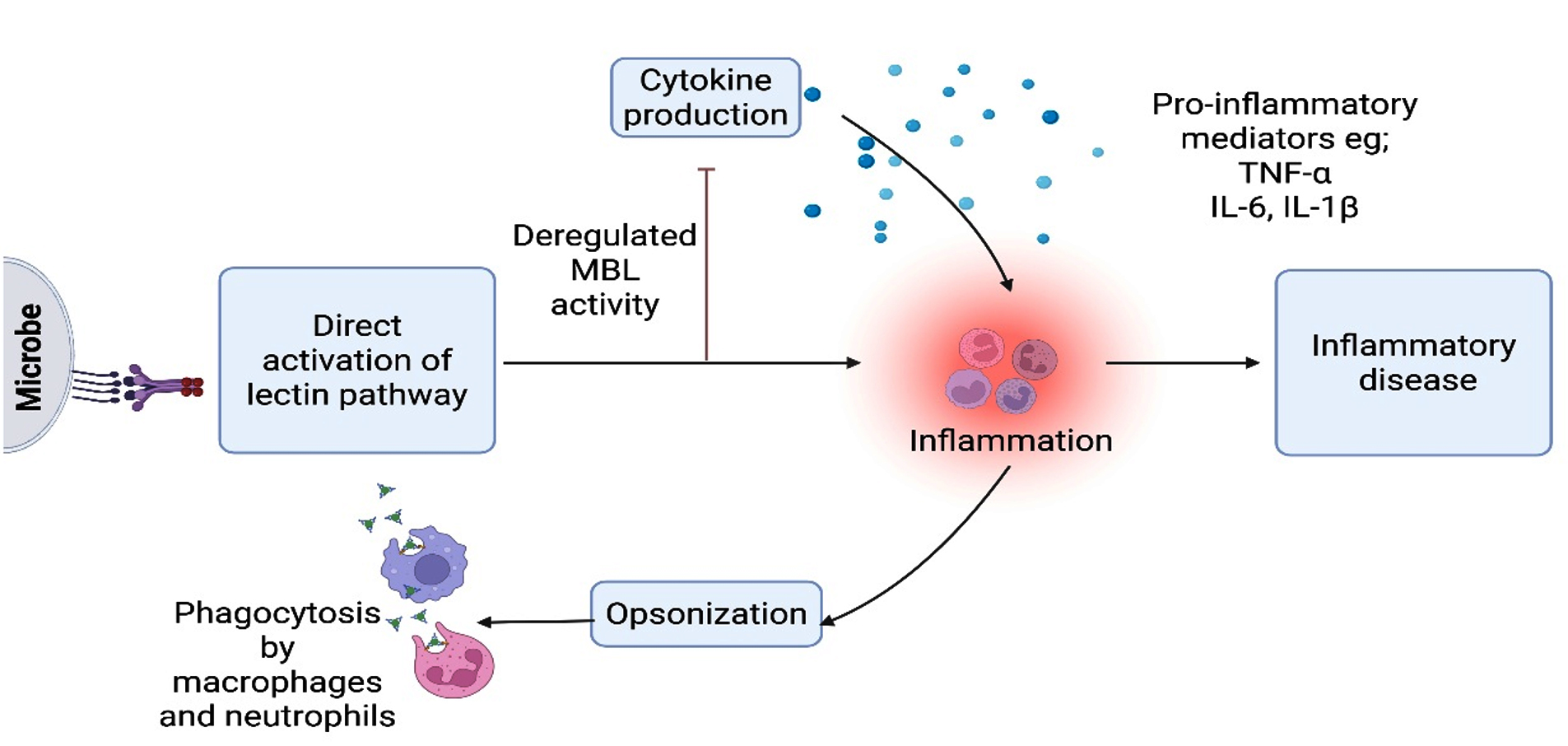
Figure 7. The mechanism of deregulated mannan-binding lectin (MBL) activity and the consequences of excessive inflammation. Microbial recognition activates the lectin pathway, leading to opsonization and phagocytosis. If not under control, the hyper-production of cytokines can lead to inflammatory diseases
Mannan-Binding Lectin Deficiency and Clinical Aspects
Molecular epidemiology of genetic variants
Variations in the MBL gene (MBL2) modulate immune responses with strong genetic effects.72 These include archetypal, promoter region variants, and structural polymorphisms (codon 54, 57 and 52). These mutations may cause low or no production of MBL.73 These genetic differences have been shown to affect the body’s ability to bind to carbohydrates on pathogens such as bacteria, viruses, and fungi, which in turn affects pathogen recognition and opsonization.74 From an epidemiological perspective, MBL deficiency or the presence of low MBL levels is associated with increased susceptibility to infections, particularly in individuals with genetic alterations that impact MBL functionality or production.75 For example, subjects with homozygous mutations in MBL2 are more prone to develop severe respiratory infections, sepsis, and autoimmune diseases due to their inability to adequately activate the complement system.76 Studies on different ethnic populations have shown different frequencies of these genetic variants, which suggest the evolutionary forces that shape immune responses throughout the world.77 Not all MBL variants may be protective and some may increase risk in regions of high disease prevalence, such as tuberculosis- or malaria-affected regions.78 Thus, not all MBL deficiencies have adverse effects, while some infectious diseases have been associated with poor recovery of function, other than the immune response, which might increase the risk of these infections.79 MBL’s paradoxical immune modulating action reveals the complex relationship between genetic variation and immune function. Understanding these genetic factors is crucial for improving personalized medicine and treatment strategies for immunocompromised populations.
Mannan-binding lectin levels in health and disease
Mannan-binding lectin levels can vary under different pathological and physiological conditions.80 MBL, predominantly synthesized in the liver and present at low levels in the serum of healthy individuals, is a key component of the body’s primary immune defense against infection, as it can promote the immune response and pathogen recognition.81 MBL binds to specific sugar motifs on microorganisms, thereby opsonizing microorganisms and initiating activation of the complement cascades through the lectin pathway.82 However, there is evidence that MBL levels can increase as well as decrease in pathological situations.16 It may increase in some infections, such as viral or bacterial infections, to act as an acute-phase reactant and facilitate pathogen clearance.83 Conversely, patients with genetic polymorphisms leading to defective MBL production or function are at increased risk of infections when they are also MBL-deficient.84 Low MBL levels increase the risk of repeated infections, especially in the respiratory and gastrointestinal tracts.85 Furthermore, low MBL levels can influence the progression of chronic diseases such as inflammatory and autoimmune diseases.22 MBL levels are elevated in inflammatory diseases, suggesting that it may be a marker of disease activity.86 Understanding the regulation of MBL expression and its impact on immune responses is necessary to clarify the role of MBL in health and disease.
Vulnerability to infections and autoimmune diseases
As the main component of the first line of defense against infection, MBL is important for the innate immune response.29 Mannose and N-acetylglucosamine located on cell surfaces bind to bacteria, viruses, and fungi.87 This contact initiates the complement system’s lectin pathway, which opsonizes pathogens and activates immune cells to enhance pathogen killing.88 Genetic polymorphisms may affect the activity and levels of expression of MBL.89 Such disparities may render some individuals, in particular subjects with low MBL levels with impaired immune status, more vulnerable to infections. MBL is also involved in the control of autoimmune diseases.89 Dysfunction of the complement system, including MBL, may lead to the maintenance of chronic inflammation and immune system hyperactivity in, for example, rheumatoid arthritis and systemic lupus erythematosus.90 For instance, elevated MBL levels in some circumstances may lead to immune complex formation and tissue damage.91 Alternatively, deficient MBL could result in a lack of autoantigen clearance, which might also enhance autoimmunity.91 Consequently, MBL has a dual role: defense against infection; and participation in the pathogenesis of autoimmune diseases under certain circumstances.92 Understanding the two-fold system is important for the discussion on MBL as a therapeutic intervention in order to adjust the immune response for improving infectious and autoimmune conditions.
Mannan-binding lectin in immune modulation and beyond
Involvement in inflammation regulation
The function of MBL is to recognize and bind to defined carbohydrate structures on the surface of pathogens, including bacteria, fungi, and viruses, as a component of the complement system’s lectin pathway.93 As a result of this binding, the complement cascade is turned on; this opsonizes pathogens, enhances phagocytosis, and aids in pathogen clearance.94 However, the influence of MBL is not limited to pathogen recognition and immune activation; it is also involved in the regulation of the inflammatory response, which, in turn, may contribute to the control or aggravation of inflammation.95 Via its interaction with immune cells such as macrophages, dendritic cells, and neutrophils, MBL becomes an immune modulator that regulates the release of pro-inflammatory cytokines and other immune modulators.96 MBL has the ability to modulate the release of cytokines, such as TNF-α, IL-6, and IL-1β that are important mediators of inflammation, from immune cells and their binding to certain receptors on these cells.97 Additionally, MBL is essential for maintaining immune balance through its participation in the inhibition of over-inflammation, which can lead to tissue damage and the occurrence of chronic inflammatory diseases.98 On the other hand, in certain disease states, a hyperactive response mediated by MBL might also increase inflammation and, subsequently, the predisposition to autoimmunity or inflammation.82,98 Thus, MBL is critical for a balanced innate immune response to enable effective protection against pathogens and to prevent excessive, uncontrolled inflammation.
Cross talk with immune sites
The recognition of PAMPs on microbial surfaces by the innate immune system is mediated by MBL.99 MBL facilitates host defense through association with various immune responses, as well as its role in the direct response to C3 activation through the lectin pathway.71,100 Significant cross talk occurs between the classical and lectin pathways, with MBL being capable of controlling their activation for optimal opsonization and pathogen clearance.101 In addition, MBL engages with TLRs, TLR2, and TLR4 in particular, to promote inflammatory responses by enhancing cytokine production from macrophages and dendritic cells.102 Furthermore, MBL modulates the function of phagocytic cells by mediating opsonophagocytosis, due to its ability to bind to their surface, making it easier for neutrophils and macrophages to recognize microorganisms via complement receptors.103 This interaction is required to balance pathogen clearance and overzealous inflammation.104 As MBL binds to fibrinogen and plasminogen to bridge innate immunity to thrombotic responses, the role of MBL in coagulation regulation is another critical aspect of its inclusion in immunological circuits.105 Furthermore, MBL also participates in immunological homeostasis by promoting the production of anti-inflammatory cytokines associated with immune regulation.106 The role of MBL in connecting innate and adaptive immunity is demonstrated by the increased risk of infection under MBL deficiency107 (Figure 8). Taking all these aspects into consideration, the interactions of MBL with different immunological pathways demonstrate its multifaceted role in host defense and in ensuring a successful and well-regulated immune response to invasive pathogens.
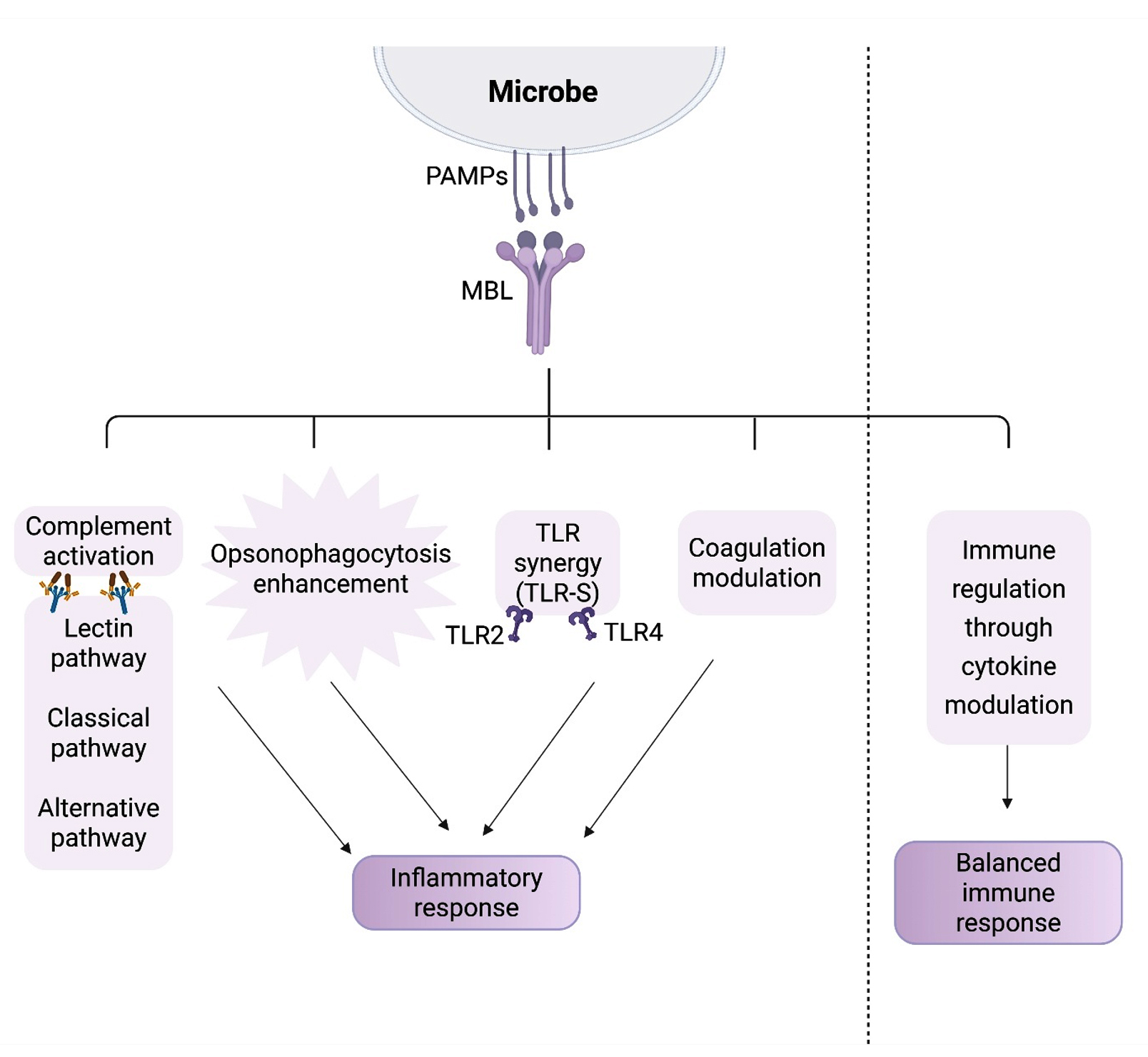
Figure 8. Mannan-binding lectin (MBL) interaction with microbial pathogen-associated molecular patterns (PAMPs) and induction of several immune responses. Such mechanisms complement activation (through lectin, classical, and alternative pathways), site-mediated enhancement of opsonophagocytosis, Toll-like receptor (TLR) synergy, and modulation of coagulation, all of which contribute to inflammation. Furthermore, MBL modulates the immune system by influencing cytokines for a balanced immune response
Non-canonical functions in tissue repair and homeostasis
As an essential factor of the humoral immune response, MBL, which acts as a component of innate immunity, is responsible for the activation of the complement system and recognition of pathogens.44 However, our understanding of its physiological role is no longer confined to aspects of host defense, as newer studies have suggested that Phosphorylated Glucocorticoid Receptor (P-GR) signaling has non-classical functions in tissue repair and homeostasis.108 By modulating inflammation and promoting cellular proliferation, as well as participating in extracellular matrix remodeling, MBL contributes to tissue repair.109 MBL aids in the clearance of injured extracellular matrix components and apoptotic cells, preventing excessive inflammation that results in fibrosis or persistent tissue injury.110 Additionally, MBL is strongly implicated in the modulation of immune cell recruitment and polarization, which further affects macrophage activity.111 MBL can regulate macrophage phenotypes, from pro-inflammatory (M1) to reparatory (M2), which are critical for tissue regeneration, by binding to damage-associated molecular patterns.112 This is particularly crucial for diseases such as fibrotic disease, wound repair, and ischemic injury when tissue integrity calls for tightly controlled immune downregulation.113 MBL also participates in tissue homeostasis.114 through interactions with complement components and other lectins. Its importance extends beyond rapid immunological responses, as it is important for senescence and matrix biology, serves to eliminate senescent cells, and maintains extracellular matrix integrity.82,115 Understanding these non-canonical roles of MBL can provide the basis for new therapeutic options for diseases, such as fibrotic diseases and autoimmune diseases, or chronic wounds characterized by impaired tissue healing.
Therapeutic Implications
Mannan-binding lectin as an indicator of diseases
The differences in MBL concentration occurs primarily due to MBL2 gene polymorphisms and may have a significant impact on susceptibility to various diseases.116 In immunocompromised individuals, including those undergoing chemotherapy or suffering from primary immunodeficiencies, low serum MBL levels have been shown to be associated with a higher incidence of infection.117 Given its dual role in protective immunity and disease pathogenesis, MBL is increasingly recognized as a potential biomarker of susceptibility, progression, and disease prognosis.118 MBL deficiency is correlated with adverse outcomes.118,119 and severe outcomes of infectious diseases, such as sepsis, pneumonia, and viral infections like COVID-19.120 Conversely, increased MBL is indicative of immunological dysregulation in systemic inflammatory conditions.121 Therefore, a clinical measure of MBL may provide significant insights for patient risk assessment as well as personalized clinical intervention.122 Additional research is needed to further explore MBL as a diagnostic and prognostic biomarker for a range of diseases.
Mannan-binding lectin’s potential as a therapeutic intervention
Mannan-binding lectin-mediated opsonophagocytosis is promoted through MBL’s interaction with carbohydrate moieties present on the surface of various pathogens and subsequent activation of the lectin pathway of the complement system.100 Since MBL plays an essential role in immune defense, much attention has been paid to its application for therapeutic purposes, in particular for MBL-deficient patients who show increased susceptibility to chronic infections and chronic inflammatory conditions.123 Recombinant MBL (rMBL) is one of the therapeutic approaches to MBL deficiency and enhancement of the immune system.124 Several studies have suggested potential benefits of rMBL infusion for conditions such as sepsis, chronic infections, and immune dysregulation-related diseases.125 In addition, in the case of conditions such as autoimmune diseases and systemic inflammatory response syndrome, rMBL could also contribute to minimizing tissue damage by controlling overreactive inflammatory responses.71,124 Despite its promise, rMBL remains challenging to deploy clinically due to immunogenicity, variability in patient response, and dose optimization issues.126 More investigations are required to refine rMBL’s composition, confirm its safety in the long term, and verify its efficacy in individual disease settings. However, rMBL-based therapies offer an exciting alternative for targeted immunomodulation in inflammatory and infectious conditions associated with innate immune defects.
Challenges in clinical implementation and future perspectives
Several problems have prevented the clinical use of MBL-based therapies.127 A major issue is the differences between individuals in MBL serum levels due to genetic variation affecting the susceptibility to inflammation and infection.128 Hyperactivity may result in an autoimmune disease, whereas deficiency in MBL is associated with repeated infections, particularly in immunocompromised individuals.129 This variability makes the development of standardized therapies challenging.98,129 The problems of MBL replacement therapy are further compounded.130 rMBL has been studied as a potential therapeutic agent; however, questions on immunogenicity, optimal dosing, and long-term safety remain unresolved.131 In addition, it remains to be clarified how MBL interacts with other immune system factors, such as complement-regulating proteins, to prevent accidental activation of immunity.132 Currently, there is a paucity of clinical data; however, future work should focus on personalized medicine routes for identifying the patients who would derive the greatest benefit from MBL.133 Modifications to MBL with increased stability and under controlled activity could generate newer biotechnological advancements.134 Moreover, clinical trials are needed to verify whether MBL supplementation is safe and efficient in other diseases.135,136 Novel strategies, such as selective modulation of MBL pathways, could provide fresh therapeutic options to treat immune-mediated and infectious diseases now that more is known about the role of MBL in immunity.
Current research and future trends
Breakthroughs in elucidating the function of mannan-binding lectin in immunity
Mannan-binding lectin is a pattern recognition molecule that binds to carbohydrate residues on parasites, fungi, viruses, and bacteria, and thus it contributes to the activation of the lectin-complement pathway.137 The outcomes of this activation are opsonization, enhanced phagocytosis, and direct microbial lysis.138 Discoveries have expanded our understanding of the functions of MBL beyond its previously known roles.139 MBL modulates inflammatory responses and immunological homeostasis partly through interaction with other immune factors such as TLRs.140 In addition, recent research highlights the importance of MBL for non-infectious diseases, including cancer, cardiovascular diseases, and autoimmune diseases, in which its regulatory functions may act in favor of disease development or prevention.141 MBL deficiency or dysfunction can predispose patients to infections and inflammatory diseases; such deficiencies may be due to genetic variation in the MBL2 gene.142,143 The understanding of these genetic variants has implications for the establishment of new treatment strategies and prediction of the likelihood of illness.144 In addition, advances in the structural biology of MBLs have elucidated their oligomerization and binding processes, providing a direct link to the generation of therapies based on MBL.71 MBL is increasingly recognized as a central immunomodulator, underscoring its significance in normal and pathological states.145 Understanding how MBL performs its protective function may enable the development of novel ways to harness this property of MBL to enhance immune responses and control disease.
New approaches to research on mannan-binding lectin
Contemporary technological developments have returned a comprehensive view of MBL in host immunity.146 Recent technologies, including CRISPR-Cas9 gene editing, high-throughput sequencing, and advanced proteomics, have facilitated more precise analysis of MBL’s functions and genetic variants and their clinical significance.147 Cryo-electron microscopy and X-ray crystallography have helped to illuminate MBL’s binding mechanisms and interactions with pathogens.137 Additionally, researchers have begun to use single-cell RNA sequencing for exploring the multiple ways that MBL is expressed within different immune cells, and novel aspects of its function in host defense have been revealed.148 Furthermore, computational modeling and AI-driven analysis are facilitating the discovery of new therapeutic targets by predicting MBL’s interactions with other immune components.149 In vitro organ-on-a-chip models can better mimic the in vivo environment than conventional cell cultures, which allow better evaluation of MBL’s performance under different disease states.150 The role of MBL in immunity and immune modulation remains to be clarified by in vivo studies using genetically modified animal models, especially MBL-knockout rodents.151 These new methodologies have advanced our knowledge of the biological significance of MBL and have enabled prospective clinical usage.151,152 With the aid of these advanced techniques, investigators can design interventions that specifically regulate MBL activity, leading to improved immune defense and, ultimately, more effective therapies for infectious and inflammatory conditions.
Emerging pathogens and mannan-binding lectin
Global health is severely imperiled by novel pathogens, which demand a robust and efficacious innate immune response.153 MBL, a member of the lectin pathway of the complement system, is involved in the maintenance of homeostasis through recognition and neutralization of infections.154 MBL is a pattern recognition molecule that binds to carbohydrate structures on the surface of bacteria, viruses, fungi, and parasites.155 This binding elicits a variety of immunological responses, including opsonization, activation of the complement system, and enhancement of phagocytosis by immune cells.50 The adaptive immune system may not be very efficient initially in recognizing new pathogens; therefore, MBL is crucial for early protection against disease.44,156 MBL can recognize conserved PAMPs so that the immune response is induced faster than antigen-specific immunity.157 Mutations in the MBL gene can lead to variations in MBL’s serum levels and functional activity of the protein that may modulate susceptibility to infection.158 Most importantly, MBL-deficient individuals are susceptible to severe infections, particularly when exposed to novel or reemerging pathogens such as coronaviruses and drug-resistant bacteria.159 Understanding MBL’s role in innate immunity against novel pathogens contributes to potential therapeutic strategies.50,160 Enhancing MBL’s function, either by rMBL treatment or complement-directed modalities, could offer new options for the management of infectious diseases.161 With the continual emergence of novel diseases, further study of MBL-related immunity is crucial for combating new infectious diseases using prophylactic and therapeutic measures.
This review aimed to highlight the significance of MBL for innate immunity, particularly in pathogen recognition, activation of the complement system, and immunoregulation. Its main findings indicate that some MBL gene polymorphisms are highly important for MBL serum levels and functional activity and, therefore, might be associated with susceptibility to several infectious, autoimmune, and inflammatory diseases. MBL-deficient individuals are prone to recurrent infections, whereas elevated MBL levels have been found in chronic inflammatory disorders.
These observations emphasize the double-faceted character of MBL as a host defense and disease promoter. In the clinic, MBL can be a useful biomarker for predicting disease risk, outcomes, and treatment selection. Its insufficiency is associated with severe infections in patients with immunodeficiencies, further suggesting that MBL supplementation or specific immune modulation could be used therapeutically. Moreover, insights into MBL’s relationships with other parts of the immune system may have therapeutic consequences for precision medicine. Further studies are necessary to reveal the exact pathways by which MBL modulates both inflammation and immune homeostasis.
Exploration of MBL-based therapies, such as rMBL and gene therapy interventions, also has the potential to transform treatment regimens for immunopathology. In addition, prospective studies in different populations are required to confirm the impact of MBL polymorphisms. A further understanding of MBL’s role in the immune response in light of current diagnostic and therapeutic challenges may lead to precision medicine for infectious and autoimmune diseases.
ACKNOWLEDGMENTS
None.
CONFLICT OF INTEREST
The authors declare that there is no conflict of interest.
AUTHORS’ CONTRIBUTION
All authors listed have made a substantial, direct and intellectual contribution to the work, and approved it for publication.
FUNDING
None.
DATA AVAILABILITY
All datasets generated or analyzed during this study are included in the manuscript.
ETHICS STATEMENT
Not applicable.
- Diamond MS, Kanneganti T-D. Innate immunity: the first line of defense against SARS-CoV-2. Nat Immunol. 2022;23(2):165-176.
Crossref - Wang W, Ma L, Liu B, Ouyang L. The role of trained immunity in sepsis. Front Immunol. 2024;15:1449986.
Crossref - Munteanu C, Schwartz B. The relationship between nutrition and the immune system. Front Nutr. 2022;9:1082500.
Crossref - Kallo G, Kumar A, Tozser J, Csosz E. Chemical Barrier Proteins in Human Body Fluids. Biomedicines. 2022;10(7).
Crossref - Ji S, Shi Y, Yin B. Macrophage barrier in the tumor microenvironment and potential clinical applications. Cell Commun Signal. 2024;22(1):74.
Crossref - Amarante-Mendes GP, Adjemian S, Branco LM, Zanetti LC, Weinlich R, Bortoluci KR. Pattern Recognition Receptors and the Host Cell Death Molecular Machinery. Front Immunol. 2018;9:2379.
Crossref - Chen, S, Saeed AFUH, Liu Q, et al. Macrophages in immunoregulation and therapeutics. Signal Transduct Target Ther. 2023;8(1):207.
Crossref - Heggi MT, El-Din HTN, Morsy DI, Abdelaziz NI, Attia AS. Microbial evasion of the complement system: a continuous and evolving story. Front Immunol. 2023;14:1281096.
Crossref - Chen L, Deng H, Cui H, et al. Inflammatory responses and inflammation-associated diseases in organs. Oncotarget. 2018;9(6):7204-7218.
Crossref - Katze MG, He Y, Gale M. Viruses and interferon: a fight for supremacy. Nat Rev Immunol. 2002;2(9):675-687.
Crossref - Chi H, Pepper M, Thomas PG. Principles and therapeutic applications of adaptive immunity. Cell. 2024;187(9):2052-2078.
Crossref - Gaudino SJ, Kumar P. Cross-Talk Between Antigen Presenting Cells and T Cells Impacts Intestinal Homeostasis, Bacterial Infections, and Tumorigenesis. Front Immunol. 2019;10:360.
Crossref - Li D, Wu M. Pattern recognition receptors in health and diseases. Signal Transduct Target Ther. 2021;6(1):291.
Crossref - Ledvina HE, Whiteley AT. Conservation and similarity of bacterial and eukaryotic innate immunity. Nat Rev Microbiol. 2024;22(7):420-434.
Crossref - MA YJ, Parente R, Zhong H, Sun Y, Garlanda C, Doni A. Complement-pentraxins synergy: Navigating the immune battlefield and beyond. Biomed Pharmacother. 2023;169:115878.
Crossref - Dobo J, Kocsis A, Farkas B, Demeter F, Cervenak L, Gal P. The Lectin Pathway of the Complement System-Activation, Regulation, Disease Connections and Interplay with Other (Proteolytic) Systems. Int J Mol Sci. 2024;25(3).
Crossref - Qi F, Luo L, Qu C, et al. Combined clinical significance of MRI and serum mannose-binding lectin in the prediction of spinal tuberculosis. BMC Infect Dis. 2024;24(1):618.
Crossref - Mu L, Yin X, Bai H, et al. Mannose-binding lectin suppresses macrophage proliferation through TGF-β1 signaling pathway in Nile tilapia. Front Immunol. 2023;14:1159577.
Crossref - Anderson M, Levy M. Advances in the long-term treatment of neuromyelitis optica spectrum disorder. J Cent Nerv Syst Dis. 2024;16:11795735241231094.
Crossref - Takahashi K, Ip WE, Michelow IC, Ezekowitz RAB. The mannose-binding lectin: a prototypic pattern recognition molecule. Curr Opin Immunol. 2006;18(1):16-23.
Crossref - Pondman K, Le Gac S, Kishore U. Nanoparticle-induced immune response: Health risk versus treatment opportunity? Immunobiology. 2023;228(2):152317.
Crossref - Toffoli M, Campisciano G, Santin A, et al. A possible association between low MBL/lectin pathway functionality and microbiota dysbiosis in endometriosis patients. Life Sci. 2025;364:123427.
Crossref - Pabon-Porras MA, Molina-Rios S, Florez-Suarez JB, Coral-Alvarado PX, Mendez-Patarroyo P, Quintana-Lopez G. Rheumatoid arthritis and systemic lupus erythematosus: Pathophysiological mechanisms related to innate immune system. SAGE Open Med. 2019;7:2050312119876146.
Crossref - Ezekowitz RA. Role of the Mannose-Binding Lectin in Innate Immunity. J Infect Dis. 2003;187(Suppl 2):S335-S339.
Crossref - Slager SL, Parikh SA, Achenbach SJ. Progression and survival of MBL: a screening study of 10 139 individuals. Blood. 2022;140(15):1702-1709.
Crossref - Jensenius H, Klein DCG, van Hecke M, Oosterkamp TH, Schmidt T, Jensenius JC. Mannan-binding lectin: structure, oligomerization, and flexibility studied by atomic force microscopy. J Mol Biol. 2009;391(1):246-259.
Crossref - Auriti C, Prencipe G, Moriondo M, et al. Mannose-Binding Lectin: Biologic Characteristics and Role in the Susceptibility to Infections and Ischemia-Reperfusion Related Injury in Critically Ill Neonates. J Immunol Res. 2017;2017:7045630.
Crossref - Zottig X, Cote-Cyr M, Arpin D, Archambault D, Bourgault S. Protein Supramolecular Structures: From Self-Assembly to Nanovaccine Design. Nanomaterials, 2020;10(5):1008.
Crossref - Gupta A, Gupta GS. Status of mannose-binding lectin (MBL) and complement system in COVID-19 patients and therapeutic applications of antiviral plant MBLs. Mol Cell Biochem. 2021;476(8):2917-2942.
Crossref - Beltrame MH, Boldt ABW, Catarino SJ, et al. MBL-associated serine proteases (MASPs) and infectious diseases. Mol Immunol. 2015;67(1):85-100.
Crossref - Ovcinnikovs V, Dijkman K, Zom GG, Beurskens FJ, Trouw LA. Enhancing complement activation by therapeutic anti-tumor antibodies: Mechanisms, strategies, and engineering approaches. Semin Immunol. 2025;77:101922.
Crossref - Keizer MP, Wouters D, Schlapbach LJ, Kuijpers TW. Restoration of MBL-deficiency: redefining the safety, efficacy and viability of MBL-substitution therapy. Mol Immunol. 2014;61(Supp 2):174-184.
Crossref - Holanda K, Lucena-Araujo AR, Quintas A, et al. Mannose-binding lectin 2 (MBL2) gene polymorphisms do not influence frequency of infections in chronic lymphocytic leukemia patients. Rev Bras Hematol Hemoter. 2014;36(1):29-34.
Crossref - Harroud A, Hafler DA. Common genetic factors among autoimmune diseases. Science. 2023;380(6644):485-490.
Crossref - Kaplan B, McInerney A. Infections and associated diseases in patients with mannose-binding lectin deficiency, presenting to a tertiary care immunology clinic. J Allergy Clin Immunol. 2021;147(2):AB74.
Crossref - Kwok AJ, Mentzer A, Knight JC. Host genetics and infectious disease: new tools, insights and translational opportunities. Nat Rev Genet. 2021;22(3):137-153.
Crossref - Takahashi K, Ezekowitz RAB. The role of the mannose-binding lectin in innate immunity. Clin Infect Dis. 2005;41( Suppl 7):S440-4.
Crossref - Kalia N, Singh J, Kaur M. The ambiguous role of mannose-binding lectin (MBL) in human immunity. Open Med (Wars). 2021;16(1):299-310.
Crossref - Martinez-Bailen M, Rojo J, Ramos-Soriano J. Multivalent glycosystems for human lectins. Chem Soc Rev. 2023;52(2):536-572.
Crossref - Xie CB, Jane-Wit D, Pober JS. Complement Membrane Attack Complex: New Roles, Mechanisms of Action, and Therapeutic Targets. Am J Pathol. 2020;190(6):1138-1150.
Crossref - Mellors J, Tipton T, Longet S, Carroll M. Viral Evasion of the Complement System and Its Importance for Vaccines and Therapeutics. Front Immunol. 2020;11:1450.
Crossref - Liao H, Yang J, Xu Y, et al. Mannose-binding Lectin 2 as a potential therapeutic target for hepatocellular carcinoma: multi-omics analysis and experimental validation. Cancers. 2023;15(19):4900.
Crossref - Gupta A, Gupta GS. Applications of mannose-binding lectins and mannan glycoconjugates in nanomedicine. J Nanopart Res. 2022;24(11):228.
Crossref - Queiroz MAF, Santiago AM, Brito WRS, et al. Polymorphisms in the MBL2 gene are associated with the plasma levels of MBL and the cytokines IL-6 and TNF-α in severe COVID-19. Front. Immunol. 2023;14:1151058.
Crossref - Bardhan M, Kaushik R. Physiology, complement cascade, in StatPearls. 2023.
- Mu L, Li J, Lin Z, et al. MBL regulates phagocytosis and bactericidal activity of macrophages by triggering AKT/NF-κB/Rab5A axis occurred early in vertebrate evolution. J Immunol. 2025;214(7):1714-1732
Crossref - Radhika A, Lakshmi JT, Ariyanachi K, Sakthivadivel V. Detection of Metallo Beta-Lactamase (MBL) Producing Pseudomonas aeruginosa in a Tertiary Care Hospital, Ghanpur, Medchal, India. Maedica. 2022;17(1):134-142.
Crossref - De Oliveira LC, De Souza PHR, Barbosa AN, Mineiro LS, Pontes GS. Impact of Exon 1 polymorphism in the MBL2 gene on MBL serum levels and infection susceptibility in acute lymphoid leukemia. Sci Rep. 2025;15(1):244.
Crossref - Drummond RA, Gaffen SL, Hise AG, Brown GD. Innate Defense against Fungal Pathogens. Cold Spring Harb Perspect Med. 2014;5(6):a019620.
Crossref - Wang R, Lan C, Benlagha K, et al, The interaction of innate immune and adaptive immune system. MedComm. 2024;5(10):e714.
Crossref - Subroto, E, van Neer J, Valdes I, de Cock H. Growth of Aspergillus fumigatus in Biofilms in Comparison to Candida albicans. J Fungi. 2022;8(1):48.
Crossref - Petersen SV, Thiel S, Jensenius JC. The mannan-binding lectin pathway of complement activation: biology and disease association. Mol Immunol. 2001;38(2-3):133-149.
Crossref - Feng T, Zhang J, Chen Z, et al. Glycosylation of viral proteins: Implication in virus-host interaction and virulence. Virulence. 2022;13(1):670-683.
Crossref - Gurung P, Kanneganti TD. Immune responses against protozoan parasites: a focus on the emerging role of Nod-like receptors. Cell Mol Life Sci. 2016;73(16):3035-51.
Crossref - Warrick KA, Vallez CN, Meibers HE, Pasare C. Bidirectional Communication Between the Innate and Adaptive Immune Systems. Ann Rev Immunol. 2025;43(1):489-514.
Crossref - Sompayrac LM. How the immune system works. John Wiley & Sons. 2022.
- Mortensen S, Jensen JK, Andersen GR. Solution Structures of Complement C2 and Its C4 Complexes Propose Pathway-specific Mechanisms for Control and Activation of the Complement Proconvertases. J Biol Chem. 2016;291(32):16494-16507.
Crossref - Person F, Petschull T, Wulf S, et al. In situ visualization of C3/C5 convertases to differentiate complement activation. Kidney Int Rep. 2020;5(6):927-930.
Crossref - Barratt J, Lafayette RA, Zhang H, et al. IgA nephropathy: the lectin pathway and implications for targeted therapy. Kidney Int. 2023;104(2):254-264.
Crossref - Dulipati V, Meri S, Panelius J. Complement evasion strategies of Borrelia burgdorferi sensu lato. FEBS Lett. 2020. 594(16):2645-2656.
Crossref - Murugaiah V, Tsolaki AG, Kishore U. Collectins: innate immune pattern recognition molecules. In: Hsieh SL, ed. Lectin in Host Defense Against Microbial Infections. Advances in Experimental Medicine and Biology. Vol 1204. Springer; 2020:75-127.
Crossref - Kjaer TR, et al. Structural insights into the initiating complex of the lectin pathway of complement activation. Structure. 2015;23(2):342-351.
Crossref - Xian L, Cheng S, Chen W, Zhong C, Hu Z, Deng X. Systematic analysis of MASP-1 serves as a novel immune-related biomarker in sepsis and trauma followed by preliminary experimental validation. Front Med. 2024;11:1320811.
Crossref - Defendi F, Thielens NM, Clavarino G, Cesbron J-Y, Dumestre-Perard C. The immunopathology of complement proteins and innate immunity in autoimmune disease. Clin Rev Allergy Immunol. 2020;58(2):229-251.
Crossref - Kania PW, Buchmann K. Complement activation in fish with emphasis on MBL/MASP. In: Buchmann K, Secombes CJ, eds. Principles of Fish Immunology: From Cells and Molecules to Host Protection. Vol 1. Springer; 2022:279-300.
Crossref - Hevey R, Pouw RB, Harris C, Ricklin D. Sweet turning bitter: Carbohydrate sensing of complement in host defence and disease. Br J Pharmacol. 2021;178(14):2802-2822.
Crossref - Moghimi SM, Haroon HB, Yaghmur A, et al. Perspectives on complement and phagocytic cell responses to nanoparticles: From fundamentals to adverse reactions. J Control Release. 2023;356:115-129.
Crossref - Bhol NK, Bhanjadeo MM, Singh AK, et al. The interplay between cytokines, inflammation, and antioxidants: Mechanistic insights and therapeutic potentials of various antioxidants and anti-cytokine compounds. Biomed Pharmacother. 2024;178:117177.
Crossref - Habanjar, O, Bingula R, Decombat C, Diab-Assaf M, Caldefie-Chezet F, Delort L. Crosstalk of inflammatory cytokines within the breast tumor microenvironment. Int J Mol Sci. 2023;24(4):4002.
Crossref - Shi YT, Characterising the Role of Host-Pathogen Interactions in Systemic Bacterial Infections. [PhD thesis]. University of Leicester. 2024,
Crossref - Afeltra A, Abbate A, Valentini G, Giacomelli R. Inflammation and Dysmetabolism in Systemic Autoimmune Diseases. J Immunol Res. 2019;2019:5438287.
Crossref - Bouqdayr M, Baba H, Saih A, et al. MBL2 gene polymorphisms related to HIV-1 infection susceptibility and treatment response. Hum Immunol. 2023;84(2):80-88.
Crossref - Wodelo W, Wampande EM, Andama A, Kateete DP, Ssekatawa K. Polymorphisms in Immune Genes and Their Association with Tuberculosis Susceptibility: An Analysis of the African Population. Appl Clin Genet. 2024;17:33-46.
Crossref - Awad K, Maghraby AS, Abd-Elshafy DN, Bahgat MM. Carbohydrates metabolic signatures in immune cells: Response to infection. Front Immunol. 2022;13:912899.
Crossref - Ovsyannikova IG, Haralambieva IH, Crooke SN, Poland GA, Kennedy RB. The role of host genetics in the immune response to SARS-CoV-2 and COVID-19 susceptibility and severity. Immunol Rev. 2020;296(1):205-219.
Crossref - Larsen F, Madsen HO, Sim RB, Koch C, Garred P. Disease-associated mutations in human mannose-binding lectin compromise oligomerization and activity of the final protein. J Biol Chem. 2004;279(20):21302-11.
Crossref - Benton ML, Abraham A, LaBella AL, Abbot P, Rokas A, Capra JA. The influence of evolutionary history on human health and disease. Nat Rev Genet. 2021;22(5):269-283.
Crossref - Atiemo CKMA. Host Genetic Variants That Protect Against Clinical Malaria May Influence Asymptomatic Malaria Parasite Carriage [PhD thesis]. University of Cape Coast. 2024. https://uccir.ghlibrary.online/handle/123456789/11699
- Rodriguez LST. Immune variation in infectious disease and during development early in life. [PhD thesis]. Karolinska Institutet (Sweden). 2023. https://hdl.handle.net/10616/48838
- Yu Z, Chen Y, Li J, et al. A tempo-spatial controllable microfluidic shear-stress generator for in-vitro mimicking of the thrombus. J Nanobiotechnol. 2024;22(1):187.
Crossref - Janeway CA Jr, Travers P, Walport M, et al. Immunobiology: The Immune System in Health and Disease. 5th eds. New York: Garland Science; 2001.
- Neth O, Jack DL, Dodds AW, Holzel H, Klein NJ, Turner MW. Mannose-binding lectin binds to a range of clinically relevant microorganisms and promotes complement deposition. Infect Immun. 2000;68(2):688-693.
Crossref - Mannes M, Schmidt CQ, Nilsson B, Ekdahl KN, Huber-Lang M. Complement as driver of systemic inflammation and organ failure in trauma, burn, and sepsis. Semin Immunopathol. 2021;43(6):773-788.
Crossref - Gedebjerg A, Bjerre M, Kjaergaard AD, et al. Mannose-binding lectin and risk of cardiovascular events and mortality in type 2 diabetes: a Danish cohort study. Diabetes Care. 2020;43(9):2190-2198.
Crossref - Carmolli M, Duggal P, Haque R, et al. Deficient serum mannose-binding lectin levels and MBL2 polymorphisms increase the risk of single and recurrent Cryptosporidium infections in young children. J Infect Dis. 2009;200(10):1540-1547.
Crossref - Jacobson S, Larsson P, Aberg A-M, Johansson G, Winso O, Soderberg S. Levels of mannose-binding lectin (MBL) associates with sepsis-related in-hospital mortality in women. J Inflamm. 2020;17(1):28.
Crossref - Gerling-Driessen UI, Hoffmann M, Schmidt S, Snyder NL, Hartmann L. Glycopolymers against pathogen infection. Chemical Society Reviews. 2023;52(8):2617-2642.
Crossref - Noris M, Remuzzi G. Overview of complement activation and regulation. Semin Nephrol. 2013;33(6):479-492.
Crossref - Hultstrom M, Frithiof R, Grip J, et al. Genetic determinants of mannose-binding lectin activity predispose to thromboembolic complications in critical COVID-19. Nat Immunol. 2022;23(6):861-864.
Crossref - Wang SSY, Tang H, Loe MWC, Yeo SC, Javaid MM. Complements and Their Role in Systemic Disorders. Cureus. 2024;16(1):e52991.
Crossref - Wang T, Li K, Xiao S, Xia Y. A plausible role for collectins in skin immune homeostasis. Front Immunol. 2021;12:594858.
Crossref - Alkhatib AJ. The Role of Microbes in Autoimmune Diseases: New Mechanisms of Microbial Initiation of Autoimmunity. Springer Nature Singapore; 2022.
Crossref - Miyake Y. Classification of C-Type Lectins and Recognition of Pathogens. Microbiol Immunol. 2025;69(5):257-269.
Crossref - Lukacsi S, Macsik-Valent B, Nagy-Balo Z, et al. Utilization of complement receptors in immune cell-microbe interaction. FEBS Lett. 2020;594(16):2695-2713.
Crossref - Almeida FS, Vanderley SER, Comberlang FC, et al. Leishmaniasis: immune cells crosstalk in macrophage polarization. Trop Med Infect Dis. 2023;8(5):276.
Crossref - Vieira SF, Reis RL, Ferreira H, Neves NM. Plant-derived bioactive compounds as key players in the modulation of immune-related conditions. Phytochem Rev. 2024;24(1):343-460.
Crossref - Singhal A, Kumar S. Neutrophil and remnant clearance in immunity and inflammation. Immunology. 2022;165(1):22-43.
Crossref - Govender S, David M, Naicker T. Is the Complement System Dysregulated in Preeclampsia Comorbid with HIV Infection? Int J Mol Sci. 2024;25(11):6232.
Crossref - Idowu PA, Idowu AP, Zishiri OT, et al. Activity of mannose-binding lectin on bacterial-infected chickens-a review. Animals. 2021;11(3):787.
Crossref - Doulami C, Kishore U, Sim RB, Schwaeble W. Mannose-binding lectin in human health and disease. In: Kishore U, Madan T, Sim RB, eds. The Collectin Protein Family and Its Multiple Biological Activities. Springer; 2021:17-47.
Crossref - Appel TM, Stein C, Brandt C, et al. Isolation of Hafnia paralvei co-harbouring blaNDM-1 and blaVIM-1 in a woman who underwent allogeneic hematopoietic stem cell transplantation. Infection. 2023;51(4):1161-1164.
Crossref - Kawai T, Ikegawa M, Ori D, Akira S. Decoding Toll-like receptors: Recent insights and perspectives in innate immunity. Immunity. 2024;57(4):649-673.
Crossref - Bjanes E, Nizet V. More than a Pore: Nonlytic Antimicrobial Functions of Complement and Bacterial Strategies for Evasion. Microbiol Mol Biol Rev. 2021;85(1).
Crossref - Tu Z, Zhong Y, Hu H, et al. Design of therapeutic biomaterials to control inflammation. Nate Rev Mater. 2022;7(7):557-574.
Crossref - Wilhelm G, Mertowska P, Mertowski S, et al. The crossroads of the coagulation system and the immune system: interactions and connections. Int J Mol Sci. 2023;24(16):12563.
Crossref - Guan D, Sun W, Gao M, Chen Z, Ma X. Immunologic insights in recurrent spontaneous abortion: Molecular mechanisms and therapeutic interventions. Biomed Pharmacother. 2024;177:117082.
Crossref - Pinho SS, Alves I, Gaifem J, Rabinovich GA. Immune regulatory networks coordinated by glycans and glycan-binding proteins in autoimmunity and infection. Cell Mol Immunol. 2023;20(10):1101-1113.
Crossref - Xue JD, Gao J, Tang A-F, Feng C. Shaping the immune landscape: Multidimensional environmental stimuli refine macrophage polarization and foster revolutionary approaches in tissue regeneration. Heliyon. 2024;10(17):e37192.
Crossref - Xu M, Su T, Jin X, et al. Inflammation-mediated matrix remodeling of extracellular matrix-mimicking biomaterials in tissue engineering and regenerative medicine. Acta Biomater. 2022;151:106-117.
Crossref - Tu H, Li Y-L. Inflammation balance in skeletal muscle damage and repair. Front Immunol. 2023;14:1133355.
Crossref - Finicelli M, Digilio FA, Galderisi U, Peluso G. The emerging role of macrophages in chronic obstructive pulmonary disease: the potential impact of oxidative stress and extracellular vesicle on macrophage polarization and function. Antioxidants. 2022;11(3):464.
Crossref - Koncz G, Jenei V, Toth M, et al. Damage-mediated macrophage polarization in sterile inflammation. Front Immunol. 2023;14:1169560.
Crossref - Lafuse WP, Wozniak DJ, Rajaram MV. Role of cardiac macrophages on cardiac inflammation, fibrosis and tissue repair. Cells. 2020;10(1):51.
Crossref - Smole U, Kratzer B, Pickl WF. Soluble pattern recognition molecules: Guardians and regulators of homeostasis at airway mucosal surfaces. Eur J Immunol. 2020;50(5):624-642.
Crossref - Westman J, Grinstein S, Marques PE. Phagocytosis of necrotic debris at sites of injury and inflammation. Front Immunol. 2020;10:3030.
Crossref - Yuan ZC, Xu WD, Lan YY, et al. Association of MBL2 gene polymorphisms and systemic lupus erythematosus susceptibility: A meta-analysis. Int J Rheum Dis. 2021;24(2):147-158.
Crossref - Allegra A, Tonacci A, Musolino C, Pioggia G, Gangemi S. Secondary immunodeficiency in hematological malignancies: focus on multiple myeloma and chronic lymphocytic leukemia. Front Immunol. 2021;12:738915.
Crossref - Cavalli S, Lonati PA, Gerosa M, Caporali R, Cimaz R, Chighizola CB. Beyond systemic lupus erythematosus and anti-phospholipid syndrome: the relevance of complement from pathogenesis to pregnancy outcome in other systemic rheumatologic diseases. Front Pharmacol 2022;13:841785.
Crossref - Chighizola CB, Lonati PA, Trespidi L, Meroni PL, Tedesco F. The complement system in the pathophysiology of pregnancy and in systemic autoimmune rheumatic diseases during pregnancy. Front Immunol. 2020;11:2084.
Crossref - Speletas M, Dadouli K, Syrakouli A, et al. MBL deficiency-causing B allele (rs1800450) as a risk factor for severe COVID-19. Immunobiology., 2021;226(6):152136.
Crossref - Ermakov EA, Melamud MM, Buneva VN, Ivanova SA. Immune system abnormalities in schizophrenia: an integrative view and translational perspectives. Front Psychiatry. 2022;13:880568.
Crossref - Shanafelt TD, Kay NE, Parikh SA, et al. Risk of serious infection among individuals with and without low count monoclonal B-cell lymphocytosis (MBL). Leukemia. 2021;35(1):239-244.
Crossref - Al-Bassam FAM, Kamal A-E, Ibraheam A. The Impact of MBL-2 and HLA-G Insertion/Deletion Gene Polymorphism in Vulvovaginal Candidiasis in Iraqi Patients Women. J Cardiovasc Disease Res. 2020;11(4):225-229.
- Kite KA. Developing novel mannose-binding lectin therapies to prevent, diagnose and treat infections in children. [Doctoral thesis]. UCL (University College London). 2022. https://discovery.ucl.ac.uk/id/eprint/10157926
- Davis JS, Ferreira D, Paige E, Gedye C, Boyle M. Infectious complications of biological and small molecule targeted immunomodulatory therapies. Clin Microbiol Rev. 2020;33(3):10.1128/cmr. 00035-19.
Crossref - Petersen KA, Matthiesen F, Agger T, et al. Phase I safety, tolerability, and pharmacokinetic study of recombinant human mannan-binding lectin. J Clin Immunol. 2006;26(5):465-475.
Crossref - Del Vecchio L, Allinovi M, Comolli S, Peiti S, Rimoldi C, Locatelli F. Drugs in development to treat IgA nephropathy. Drugs. 2024;84(5):503-525.
Crossref - de Andrade LV, de Souza Sa MV, Vasconcelos B, et al. High production MBL2 polymorphisms protect against COVID-19 complications in critically ill patients: A retrospective cohort study. Heliyon. 2024;10(1):e23670.
Crossref - Knight V, Murali MR. Laboratory analysis of primary immunodeficiency. In: Vedanthan PK, Nelson HS, Van Bever H, Murali MR, eds. Textbook of Diagnostic and Therapeutic Procedures in Allergy. 1st ed. CRC Press; 2024.
Crossref - Zakhour J, El Ayoubi LEW, Kanj SS. Metallo-beta-lactamases: mechanisms, treatment challenges, and future prospects. Expert Rev Anti Infect Ther. 2024;22(4):189-201.
Crossref - Fantoni G, Boccadifuoco G, Verdirosa F, Molesti E, Manenti A, Montomoli E. Current challenges and improvements in assessing the immunogenicity of bacterial vaccines. Front Microbiol. 2024;15:1404637.
Crossref - Liu F, Wawersik S, Tomlinson S, Thurman JM, Holers VM. Tissue-targeted regulators of complement for amelioration of human disease: rationale and novel therapeutic strategies. J Immunol. 2025;214(9):2138-2149.
Crossref - Stoian M, Andone A, Bandila SR, et al. Personalized Nutrition Strategies for Patients in the Intensive Care Unit: A Narrative Review on the Future of Critical Care Nutrition. Nutrients. 2025;17(10):1659.
Crossref - Jensen PH, Weilguny D, Matthiesen F, McGuire KA, Shi L, Hojrup P. Characterization of the Oligomer Structure of Recombinant Human Mannan-binding Lectin. J Biol Chem. 2005;280(12):11043-11051.
Crossref - Schafranski MD, Stier A, Nisihara R, Messias-Reason IJ. Significantly increased levels of mannose-binding lectin (MBL) in rheumatic heart disease: a beneficial role for MBL deficiency. Clin Exp Immunol. 2004;138(3):521-525.
Crossref - Ng MSY, Kaur G, Francis RS, Hawley CM, Johnson DW. Drug repurposing for glomerular diseases: an underutilized resource. Nat Rev Nephrol. 2024;20(11):707-721.
Crossref - Peiffer AL, Dugan A, Kiessling L. Soluble Human Lectins at the Host-Microbe Interface. Ann Rev Biochem. 2024;93(1):565-601.
Crossref - Colaco M, Cruz MT, de Almeida LP, Borges O. Mannose and Lactobionic Acid in Nasal Vaccination: Enhancing Antigen Delivery via C-Type Lectin Receptors. Pharmaceutics. 2024;16(10):1308.
Crossref - Afzali B, Singh PS, Tajmul M, Kemper C. Inside job: Roles of intracellular C3. J Allergy Clin Immunol. 2025;156(2):215-223.
Crossref - Cáceres E, Olivella JC, Di Napoli M, Raihane AS, Divani AA. Immune response in traumatic brain injury. Curr Neurol Neurosci Rep. 2024;24(12):593-609.
Crossref - Xiao MT, Ellsworth CR, Qin X. Emerging role of complement in COVID-19 and other respiratory virus diseases. Cell Mol Life Sci. 2024;81(1):94.
Crossref - Oguz R, Ciftci HS, Gokce M, et al. The association of HLA-DRB1 alleles and MBL2 gene variant in pediatric acute lymphoblastic leukemia patients. Hematol Transfus Cell Ther. 2024;46(4):327-334.
Crossref - El Alami H, Bouqdayr M, Errafii K, et al. Association of MBL2 gene polymorphisms with type 2 diabetes and its complications in Moroccan population. Nucleosides Nucleotides & Nucleic Acids. 2026;45(2):131-152.
Crossref - Kallai A, Ungvari Z, Fekete M, Maier AB, Mikala G, Andrikovics H, Lehoczki A. Genomic instability and genetic heterogeneity in aging: insights from clonal hematopoiesis (CHIP), monoclonal gammopathy (MGUS), and monoclonal B-cell lymphocytosis (MBL). Geroscience. 2024;47(1):703-720.
Crossref - Durairajan MB, Thangaraj P. Exploring the Immunomodulatory Effects of Polysaccharides in the Management of Inflammatory Bowel Disease: A Review. J Herb Med. 2024:100932.
Crossref - Hamad I, Harb AA, Abu-Rish EY, et al. Elevated Levels of Mannose-Binding Lectin (MBL) in patients with Type 2 Diabetes and its Potential Association with Nephropathy and Retinopathy. Res J Pharm Technol. 2025;18(4):1579-1586.
Crossref - Sindelar RD. Genomics, other “OMIC” technologies, precision medicine, and additional biotechnology-related techniques. In: Crommelin DJA, Sindelar RD, Meibohm B, eds. Pharmaceutical Biotechnology: Fundamentals and Applications. Springer; 2024:209-254.
Crossref - He T, Zhou B, Sun G, et al. The bone-liver interaction modulates immune and hematopoietic function through Pinch-Cxcl12-Mbl2 pathway. Cell Death Differ. 2024;31(1):90-105.
Crossref - Liu J, Bao C, Zhang J, Han Z, Fang H, Lu H. Artificial intelligence with mass spectrometry-based multimodal molecular profiling methods for advancing therapeutic discovery of infectious diseases. Pharmacol Ther. 2024;263:108712.
Crossref - Khan H, Khan SA, Parvez S. Multiorgan-on-a-chip: design and applications. In: Mohanan PV, ed. Human Organs-on-a-Chip Technology. 1st ed. Academic Press; 2024:459-483.
Crossref - Flyvbjerg A. Pathogenesis of microvascular complications. In: Holt RIG, Flyvbjerg A, eds. Textbook of Diabetes. 6th ed. Wiley; 2024.
Crossref - Andoh V, Ocansey D, Naveed H, et al. The advancing role of nanocomposites in cancer diagnosis and treatment. Int J Nanomed. 2024;19:6099-6126.
Crossref - Yan ZZ, Hu HW, Xiong C, et al. Environmental microbiome, human fungal pathogens, and antimicrobial resistance. Trends Microbiol. 2024;33(1):112-129.
Crossref - Dorflinger GH, Holt CB, Thiel S, Bech JN, Ostergaard JA, Bjerre M. Mannan-Binding Lectin Is Associated with Inflammation and Kidney Damage in a Mouse Model of Type 2 Diabetes. Int J Mol Sci. 2024;25(13):7204.
Crossref - Alrehaili FA, Molecular Analysis of Carbohydrate Recognition by Collectin-10 and Collectin-11. [Doctoral thesis] University of Leicester. 2025.
Crossref - Riller Q, Schmutz M, Fourgeaud J, Fischer A, Neven B. Protective role of antibodies in enteric virus infections: Lessons from primary and secondary immune deficiencies. Immunol Rev. 2024;328(1):243-264.
Crossref - Rahman MM, Grice ID, Ulett GC, Wei MQ. Advances in Bacterial Lysate Immunotherapy for Infectious Diseases and Cancer. J Immunol Res. 2024;2024(1):4312908.
Crossref - Zhou J-Q, Liu ZX, Zhong HF, et al. Single nucleotide polymorphisms in the development of osteomyelitis and prosthetic joint infection: a narrative review. Front Immunol. 2024;15:1444469.
Crossref - Luo X. Optical Tweezers for Single-particle Cell Characterization and Their Application in Blood Purification. [Doctoral thesis]. Hong Kong University of Science and Technology (Hong Kong). 2024.
- Gaffar NR, Valand N, Girija UV. Candidiasis: Insights into Virulence Factors, Complement Evasion and Antifungal Drug Resistance. Microorganisms. 2025;13(2):272.
Crossref - Kolev M, Rao KN, Yeh M, Parikh A, Deschatelets P. The future of complement therapeutics. Explor Immunol. 2024;4(5):577-615.
Crossref
© The Author(s) 2026. Open Access. This article is distributed under the terms of the Creative Commons Attribution 4.0 International License which permits unrestricted use, sharing, distribution, and reproduction in any medium, provided you give appropriate credit to the original author(s) and the source, provide a link to the Creative Commons license, and indicate if changes were made.