


ISSN: 0973-7510
E-ISSN: 2581-690X
 , Gopal Nath2 and Utkarsh Jain1
 Multidrug-resistant Acinetobacter baumannii is a World Health Organization priority pathogen associated with hospital associated outbreaks. Its occurrence in vegetables and fruits is limited, with only a few reports till now but raising concerns regarding unnoticed community and hospital transmission. Grapes and environmental samples were screened for A. baumannii and cultured on selective media, bacteria were identified using species-specific PCR, VITEK, and biochemical testing. CLSI 2024 guidelines were used for antimicrobial susceptibility. Bacteriophages were isolated from Ganga, sewage, soil by enrichment, purification and plaque assay was done. Stability was measured throughout pH 3-10 and -80 °C to 60 °C, and transmission electron microscopy was used to analyse the morphology. A. baumannii isolates from different sources as soil and grapes showed resistance to multiple antibiotics. Five bacteriophages were isolated, ΦABGR01 and ΦABGR03, showed strong in vitro lytic activity against A. baumannii. These phages were stable and active across a wide pH (3-10) and temperature (-80 °C to 60 °C). Transmission electron microscopy revealed a podovirus morphotype with an icosahedral capsid and a short, non-contractile tail. This is the first report of MDR A. baumannii isolated from retail grapes in India, indicating a potential foodborne reservoir for this critical pathogen. Strong in vitro stability and activity were shown by environmental lytic phages, highlighting their potential as alternative treatments. These results underline the necessity of more thorough food safety monitoring as well as upcoming research that includes both in vivo and genomic validation.
Acinetobacter baumannii, Bacteriophage, Multidrug-resistance, Grapes, Food Safety, One Health
Multidrug-resistance is a major global threat due to limited treatment options. Antimicrobial resistance is spreading rapidly due to complex interactions between human, animal, food, and environmental reservoirs as well as clinical antibiotic misuse, highlighting the need for comprehensive surveillance approaches. Environmental and food-associated reservoirs have a major role in the survival and spread of antimicrobial resistance, especially in low- and middle-income countries, according to recent global surveillance studies.1,2
A. baumannii is identified as a critical priority pathogen as per World Health Organization because of its unique ability to develop resistance, produce biofilms,3 and survive in hospitals as well as communities.4 These characteristics enhance its persistence and involvement in severe infections associated with healthcare across the world particularly ventilator-associated pneumonia, bloodstream infections, and wound infections in intensive care settings.4
Although A. baumannii is primarily associated with healthcare facilities, there is increasing evidence that food-related and environmental sources may serve as reservoirs for the dissemination of MDR strains. It can survive in environmental reservoirs due to its ability to withstand desiccation, nutritional limitation, and fluctuations in temperature. These reservoirs may serve as unnoticed sources of community exposure and reintroduction into hospital settings.5
Since fruits and vegetables are frequently eaten raw and might get contaminated by irrigation water, soil contact, post-harvest handling, or transportation, fresh produce represents a special interface between the environment and human exposure.
The isolation of MDR bacteria, including ESKAPE pathogens, from vegetables, milk, meat, and other food commodities has been reported in a number of investigations, indicating that food products may act as unidentified conduits for the spread of clinically significant resistant strains.3,6 Presence of MDR A. baumannii potential in retail produce, such as grapes, raises concerns related to food safety and the spread of clinically significant bacteria other than hospitals. A. baumannii has been found in vegetables, raw meat, and milk in previous studies, raising concerns about foodborne exposure routes that are still mainly unexplored.7,8 Due to their clustered structure and minimal processing before consumption, which may promote bacterial persistence and cross-contamination, the detection of MDR A. baumannii in retail fruits like grapes is particularly concerning. A. baumannii belongs to the ESKAPE group of pathogens- Enterococcus faecium, Staphylococcus aureus, Klebsiella pneumoniae, Acinetobacter baumannii, Pseudomonas aeruginosa, and Enterobacter spp.- which together responsible for a large percentage of hospital-acquired infections and are notorious for their ability to “escape” the effects of antimicrobial agents. Significantly, a number of ESKAPE infections have recently been found in food-associated and environmental reservoirs, highlighting the connection between the dynamics of environmental and clinical antibiotic resistance.9,10 Concerns of silent community exposure and environmental amplification of resistance features have been raised in recent years by increasing detection of ESKAPE infections outside of hospital settings, such as fresh produce, wastewater, and agricultural soil, food processing environments and wastewater.11-13
Food safety, environmental reservoirs, and human health all require being taken into consideration simultaneously when addressing antimicrobial resistance within the framework of One Health. Because of host specificity and capacity to target antibiotic-resistant bacteria, particularly biofilm forming strains, bacteriophages have re-emerged in this context as promising biological control agents.14 Environmental sources such as river, sewage water are rich in bacteriophages and are useful for isolating phages that are effective against multidrug-resistant pathogens.
In this study, we investigated occurrence of MDR A. baumannii isolated from grapes and evaluated the effectiveness of environmental lytic phages against these isolates in vitro. In addition to highlighting the application of bacteriophages as alternative approaches within a One Health strategy, this work offers preliminary evidence of a possible food-associated reservoir of a critical priority pathogen.
Methodology
Sample collection and bacterial isolation
Environmental samples (soil, pond water, Ganga River water, and sewage) and retail grape (Vitis vinifera) samples, including visibly damaged/rotten fruits, were collected aseptically from Varanasi, India. Samples were collected from five different sources as part of an exploratory environmental screening: soil, pond water, river water, sewage, and retail grapes. A. baumannii was isolated from three of these sources soil and retail grape samples but not from any of the other environmental sources.
After being collected, the grapes were processed within two hours after being brought to the lab in sterile containers. Samples were surface sterilized by soaking them in 70% ethanol for one minute, then 2% sodium hypochlorite for two minutes, and then rinsing them three times with sterile distilled water. After that, aliquots of the wash suspension were serially diluted and plated on Leeds Acinetobacter agar. For 24 hours, plates were incubated at 37 °C. For further study, colonies with morphology compatible with Acinetobacter were purified by subculturing on MacConkey and blood agar.
Identification of A. baumannii
Preliminary identification was done by Gram staining and biochemical assays. Molecular analysis and the VITEK® 2 system (bioMerieux) were used to further confirm the isolates. The Phenol-Chloroform-Isoamyl Alcohol (PCI) method was used to extract the genomic DNA, and PCR utilizing A. baumannii-specific primers (ITSF/ITSB) as previously described by Chiang PCR conditions included an initial denaturation at 94 °C for 3 min, followed by 35 cycles of 94 °C for 45 sec, 50 °C for 45 sec, 72 °C for 1 min, and final extension at 72 °C for 7 min. To identify the species 1% agarose gel electrophoresis was used to visualize the amplified results.15
Antimicrobial susceptibility testing
Using the Kirby-Bauer disk diffusion method on Mueller-Hinton agar, antimicrobial susceptibility was evaluated according to the standards set out by the Clinical and Laboratory Standards Institute (CLSI, 2024). Amikacin, ciprofloxacin, levofloxacin, ceftazidime, imipenem, gentamicin, meropenem, cefepime, cotrimoxazole, doxycycline, cefotaxime, ceftriaxone, and piperacillin-tazobactam were among the antibiotics that were evaluated. By using broth microdilution, the minimum inhibitory concentrations (MICs) for colistin and polymyxin B were determined.16
Isolation and purification of bacteriophages
Sterilized containers were used to collect environmental samples (Sir Sundar Lal hospital sewage, Banaras Hindu University, Varanasi and Ganga Water, Varanasi) and store at 4 °C until processing. After centrifuging the samples for 15 minutes at 10,000 rpm at 4 °C, the supernatant was filtered using 0.22 µm filters. Log-phase cultures of A. baumannii were added to the filtrates, which were then incubated for overnight. The double-layer agar plaque assay was used to validate the presence of phages, which had been identified by spot assay. Three rounds of plaque isolation were performed to select, multiply, and purify individual plaques and plates were incubated at 37 °C for 18-24 hour. Membrane dialysis with polyethylene glycol (PEG) precipitation produced high-titer lysates, which were then preserved at 4 °C in phosphate-buffered saline (PBS).17,18
Phage stability assays
Spot assay was performed after phage suspensions (10⁸ PFU/mL) were incubated in TMG buffer for three hours at 37 °C in order to evaluate phage stability at various pH values (3-10). For temperature phage suspensions were incubated at -80 °C, -20 °C, 4 °C, 28 °C, 37 °C, 40 °C, 50 °C, and 60 °C for three hours in order to assess thermal stability.19
Transmission Electron Microscopy (TEM)
After using 0.22 µm syringe filters, the most active phages (ΦABGR01 and ΦABGR03; 1.0 × 10⁹ PFU/mL) were centrifuged for 90 minutes at 20,800 × g. Pellets were resuspended in the same buffer after three rounds of washing with 0.1 M ammonium acetate. Samples were examined under a transmission electron microscope (TALOS, Thermo Scientific, AIIMS, New Delhi, India) after being negatively stained with 2% uranyl acetate on carbon-coated formvar grids. ImageJ software was used to measure the size of the capsid and tail.20
Phage genotyping by ERIC-PCR
After extracting the phage DNA, ERIC-PCR was performed using the primers ERIC-F
(5′-ATGTAAGCTCCTGGGGATTCAC-3′) and ERIC-R (5′-AAGTAAGTGACTGGGGGGAGCG-3′). The genetic diversity of the phage isolates was evaluated by comparing the banding patterns of PCR products that were resolved on agarose gels.21
Isolation and identification of A. baumannii
Two A. baumannii isolates were found in grapes and one in soil out of all the analysed samples; no isolates were found in drinking water. Colonies on Leeds Acinetobacter agar appeared pink Large, smooth, light pink colonies appeared on MacConkey agar whereas translucent, colourless colonies were seen on blood agar, Gram-negative coccobacilli were identified by Gram staining (Supplementary Figure 1 A-E). The isolates were identified as A. baumannii by biochemical testing and VITEK® 2 (bioMerieux).
Genotypic identification by PCR
The identification of A. baumannii was confirmed by PCR amplification using species-specific primers, which yielded the expected 208 bp amplicon (Figure 1).
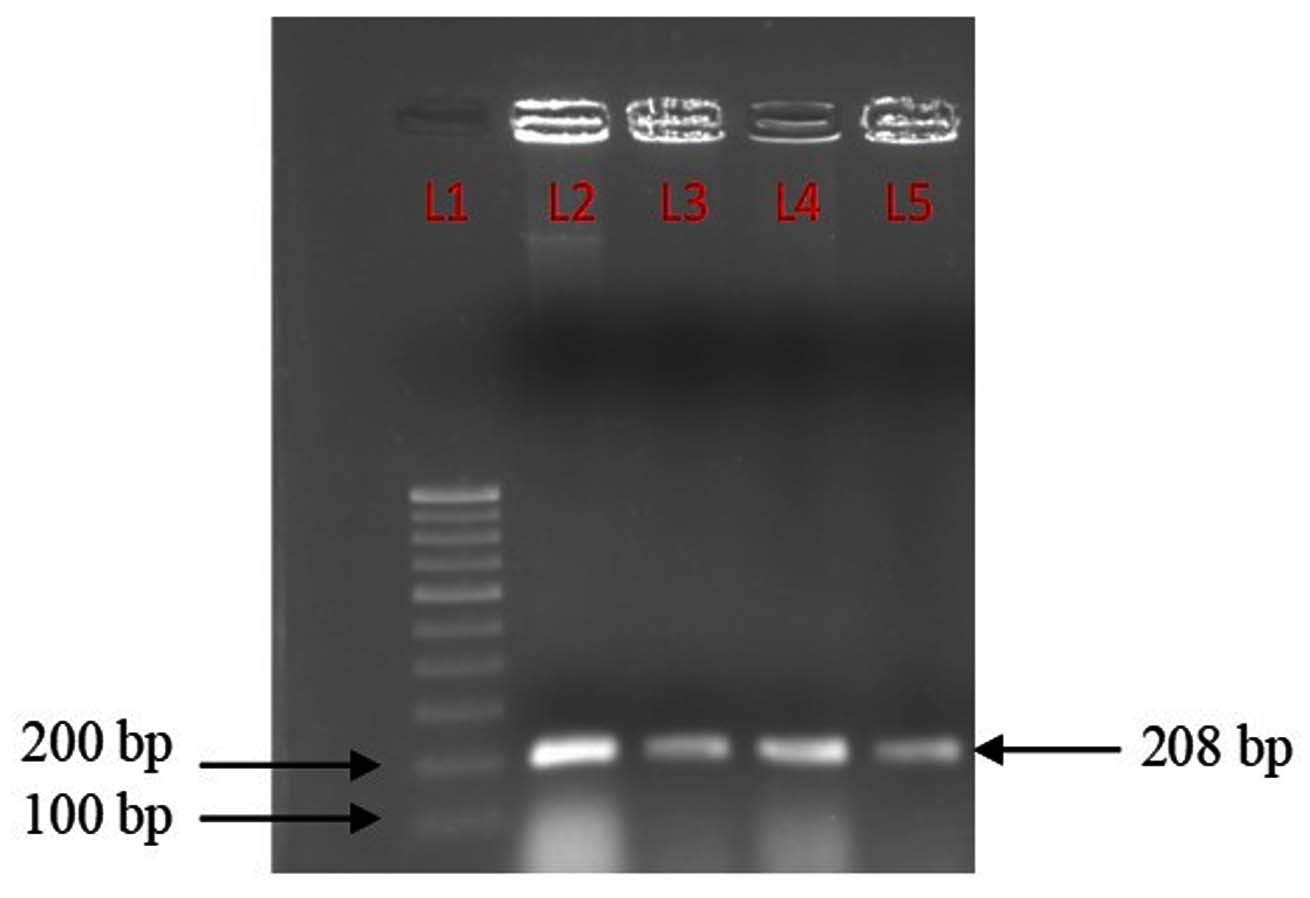
Figure 1. PCR amplification showing 208 bp amplicon specific for A. baumannii (Lane 1: ladder, Lane 2: positive control, Lanes 3-5: isolates)
Antimicrobial susceptibility
The grape isolate was resistant to all tested first- and second-line antibiotics, including ampicillin-sulbactam, ceftazidime, imipenem, fluoroquinolones, aminoglycosides, doxycycline, and cotrimoxazole. Resistance to last resort polymyxin B and colistin was also observed, confirmed by MIC testing. The isolate was therefore classified as multidrug-resistant (MDR) (Figure 2a,b).
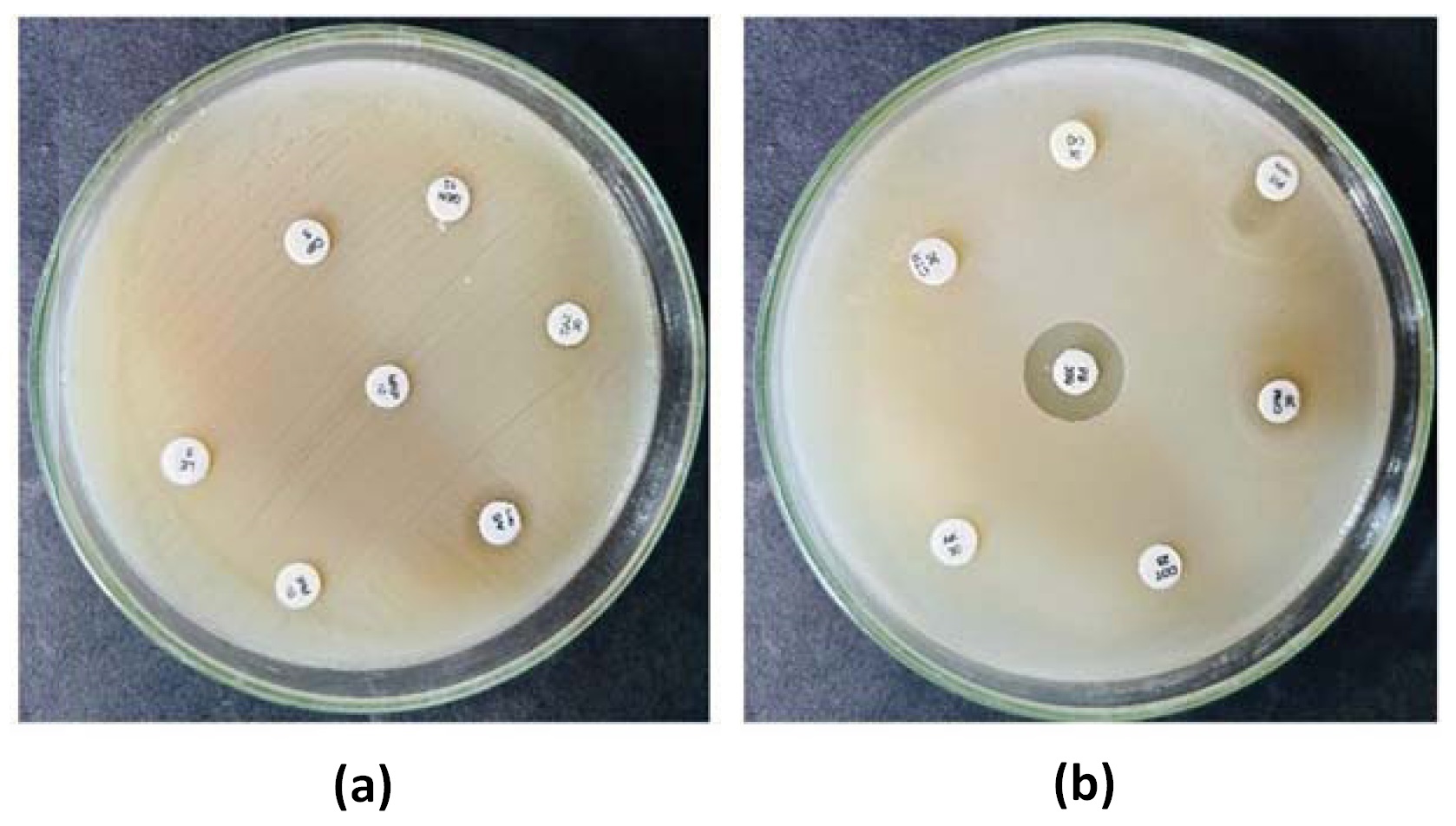
Figure 2. (a) Resistance of A. baumannii to first-line antibiotics; (b) Resistance of A. baumannii to second-line antibiotics
Phage isolation and lytic activity
Five phages were isolated for resistant bacteria from sewage named ΦABGR01, ΦABGR02, ΦABGR03, ΦABGR04 and ΦABGR05. In vitro lytic activity of the isolated bacteriophages was confirmed using the double-layer agar plaque assay, which demonstrated clear plaque formation on A. baumannii lawns (Figure 3). A. baumannii isolates demonstrated that ΦABGR01 and ΦABGR03 were the most potent, and these were selected for further characterization.
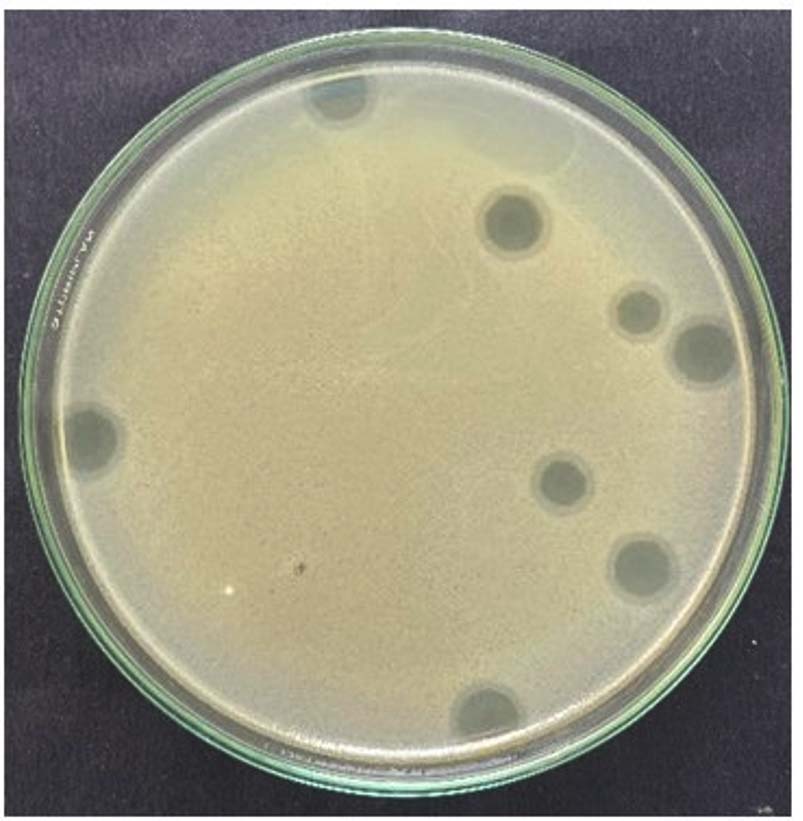
Figure 3. Plaque morphology of isolated bacteriophages on Acinetobacter baumannii using the double-layer agar method
Phage stability on different Temperature and pH
The phage ΦABGR01, ΦABGR03 retained lytic activity across temperatures ranging from -80 °C to 60 °C and pH levels of 3-10 (Figure 4a, 4c). The activity was lost 70 °C. (Figure 4b, 4d). The control was an untreated phage lysate kept under standard laboratory conditions without being exposed to pH or temperature stress.
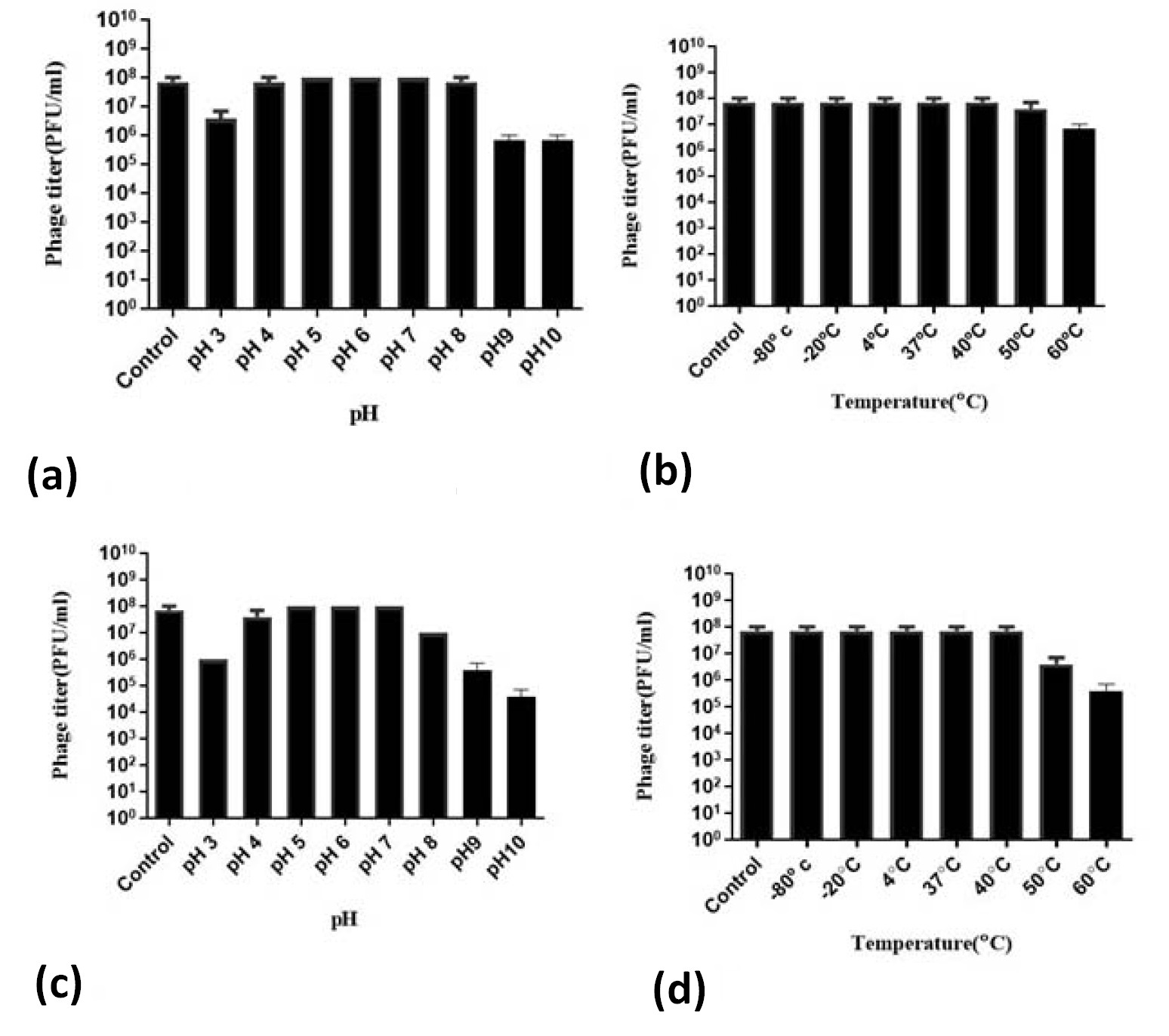
Figure 4. Stability of bacteriophages ΦABGR01 and ΦABGR03: (a, c) pH stability (3-10), and (b, d) temperature stability (-80 to 60 °C). Untreated phage lysate maintained under routine laboratory conditions served as the control
Morphological characterization
Transmission electron microscopy revealed that ΦABGR01 and ΦABGR03 exhibit a podovirus morphotype with an icosahedral capsid and a short, non-contractile tail. (Figure 5a,b).
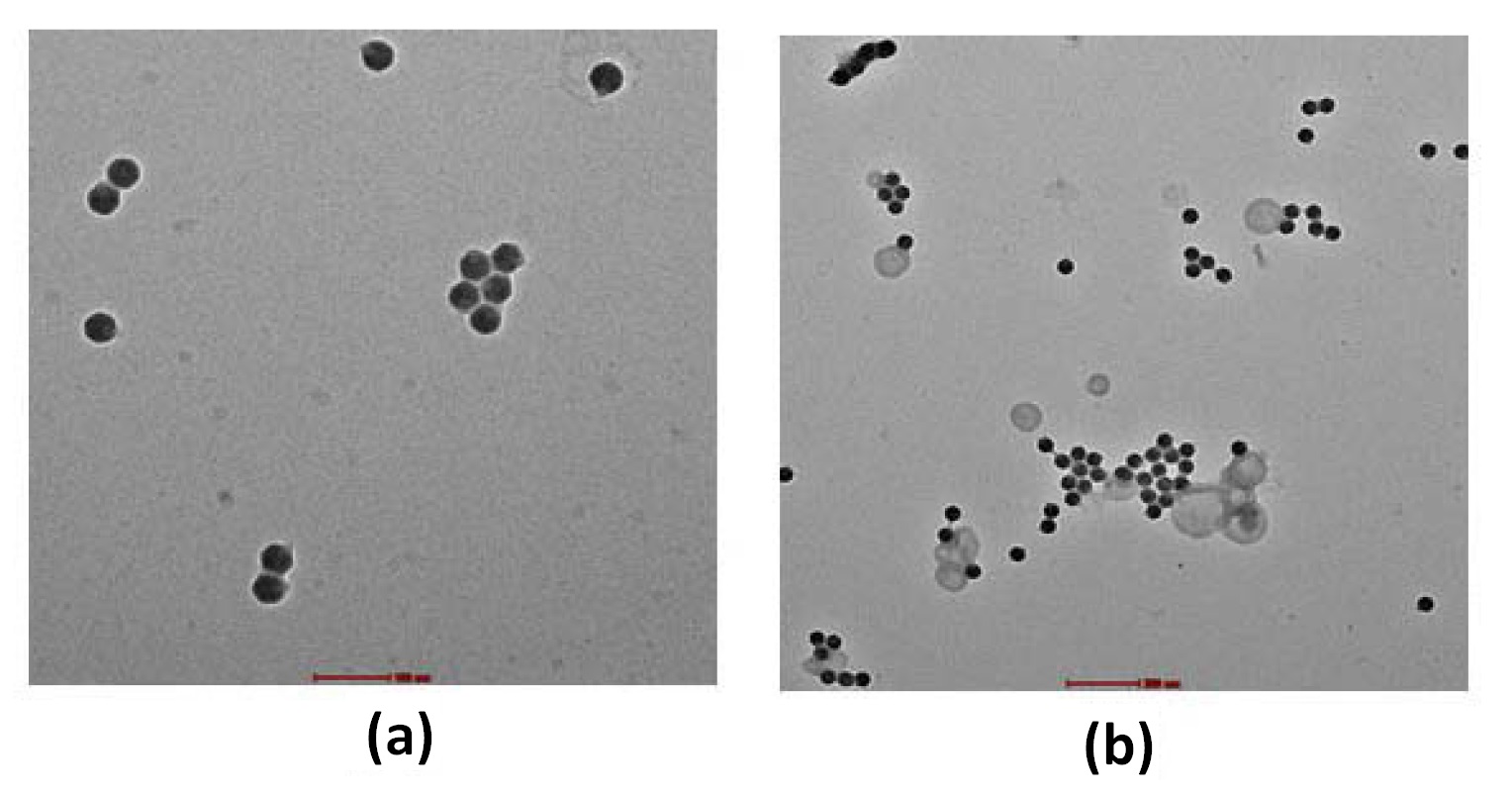
Figure 5. (a) Transmission electron microscopy (TEM) image of ΦABGR01 showing a hexagonal capsid and short non-contractile tail characteristic of podovirus morphotype; (b) Transmission electron microscopy (TEM) image of ΦABGR03 showing a hexagonal capsid and short non-contractile tail characteristic of podovirus morphotype
Phage genotyping
ERIC-PCR analysis of the five phages produced distinct banding patterns ranging from ~100 bp to 4500 bp, indicating genetic diversity among the phage isolates (Figure 6).
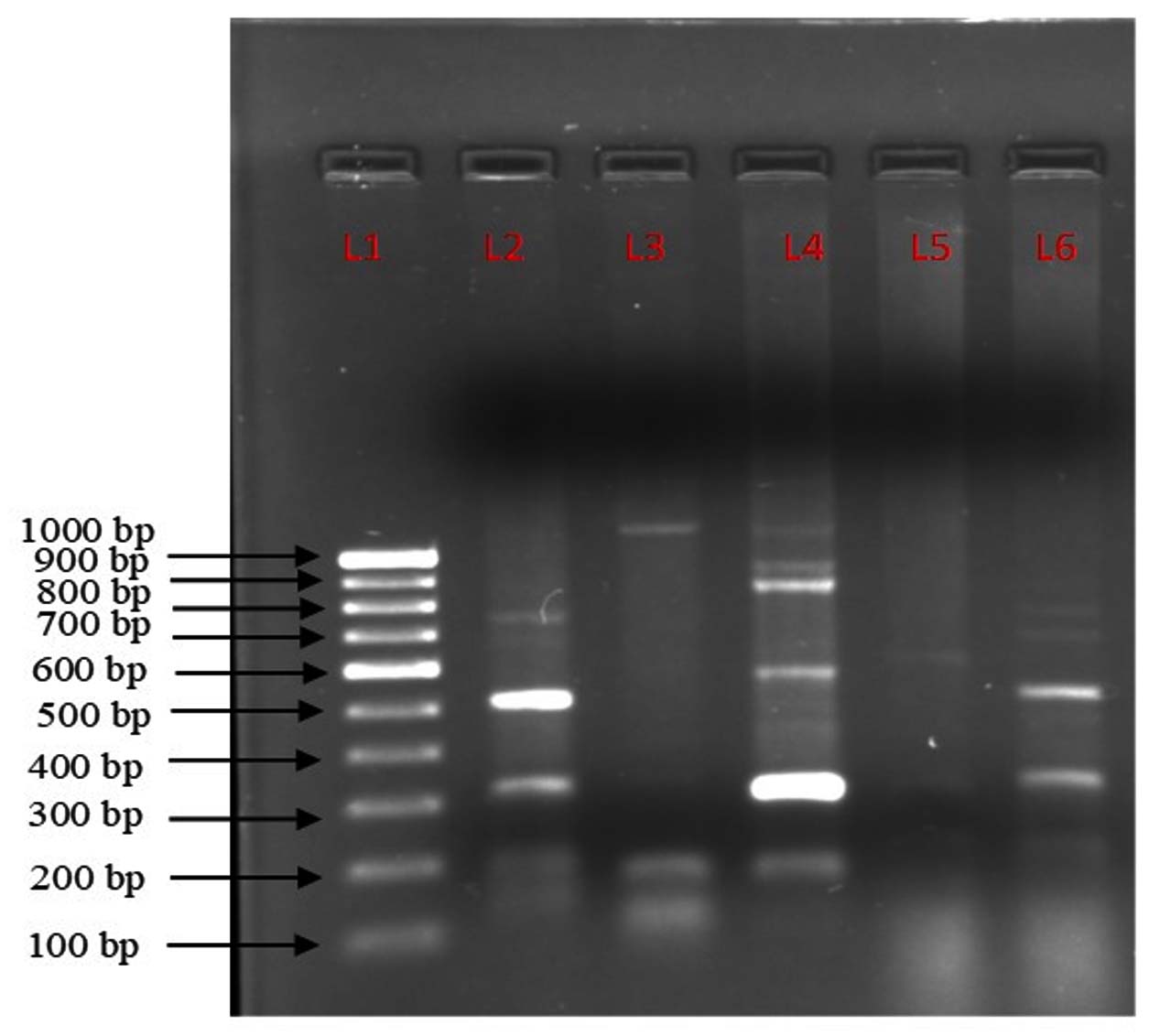
Figure 6. ERIC-PCR profiles of bacteriophages ΦABGR01–ΦABGR05 showing distinct banding patterns (Lane 1: 1 kb molecular marker; Lanes 2-6: phage DNA)
A. baumannii is becoming one of the most important critical pathogens of concern due to the global rise of antibiotic resistance in clinical microbiology.9 It is also part of the ESKAPE pathogens Enterococcus faecium, Staphylococcus aureus, Klebsiella pneumoniae, Acinetobacter baumannii, Pseudomonas aeruginosa, and Enterobacter spp. a group responsible for the majority of multidrug-resistant infections worldwide. Although A. baumannii has traditionally been associated with nosocomial infections, increasing evidence indicates its presence in non-clinical environments, including food, milk, retail meat, water, and soil.5,22-24 Multidrug-resistant A. baumannii was found in grapes in India in this study, which is an uncommon but significant source that points to a possible foodborne route of transmission. The importance of environmental surveillance within a One Health framework that connects human, animal, and environmental health has been highlighted by similar findings from soil, water, and raw food commodities. To the best of our knowledge, this is the first report of MDR A. baumannii isolated from grapes in India.
Grapes are eaten raw, frequently without being thoroughly cleaned, and because of their clustered structure, contamination can spread from one contaminated fruit to others around it. Customers are actually at risk of unnoticed exposure as a result. A. baumannii has also been found in goat milk, meat, juice, chapati and vegetables in previous studies, 3,7,8,25-29 indicating that food items could be underappreciated sources of clinically significant MDR strains. Our results highlight how crucial it is to keep an eye on fresh produce as part of surveillance efforts for antibiotic resistance.
The isolated A. baumannii multidrug-resistant strain correlates with reports from around the globe indicating a rapid increase of resistance to several antibiotic classes, including last-resort drugs. Since MDR strains may increase exposure at the community level and make infection control more difficult, their presence in food matrices is especially concerning. These results highlight the critical need for antimicrobial methods other than traditional antibiotics.
Bacteriophages that are effective against MDR A. baumannii have been successfully isolated from environmental sources such soil and sewage. This finding aligns with previous studies showing that environments with high bacterial population exposure contain a variety of phages that can infect clinically significant infections. The recovery of phages with high antibacterial activity lends credence to their prospective application as supplementary or alternative methods for managing MDR A. baumannii in food-related and environmental contexts. In this study, five phages were isolated from hospital sewage and river water, of which ΦABGR01 and ΦABGR03 produced clear and well defined plaques demonstrated effective in vitro lytic activity against host bacterium. The robustness of ΦABGR01 and ΦABGR03 under a variety of environmental conditions is demonstrated by their stability over a broad range of pH values (3-10) and temperatures
(-80 °C to 60 °C). For possible uses in environmental biocontrol and food safety, where changing physicochemical conditions are frequent, this stability is especially beneficial. The loss of activity at 70 °C is in line with the thermal inactivation characteristics of other bacteriophages that have been documented. ΦABGR01 and ΦABGR03 have a podovirus morphotype, which is defined by an icosahedral capsid and a short, non-contractile tail, according to transmission electron microscopy. Genetic diversity demonstrated by ERIC-PCR further supports their adaptability as therapeutic candidates.
This preliminary study has several limitations. The small sample size and geographic limitation may not accurately represent the wider spread of MDR A. baumannii in food sources. In addition, in this study, the lytic activity of the isolated bacteriophages was tested only against the MDR A. baumannii isolates obtained from grapes and soil. Testing against a broader panel of clinical and environmental Acinetobacter strains would provide a more comprehensive understanding of their host range and potential applications. Future work will address this by including additional strains and performing genomic characterization of the phages. In vivo tests and whole-genome sequencing of bacterial and phage isolates were outside of the focus of this study but are an important part of our continuing research. Despite these limitations, the current study provides the first evidence of MDR A. baumannii in grapes and provides foundations for further extensive, multi-focused investigations that include genetic characterisation and in vivo confirmation.
Our findings raise concerns about a possible foodborne reservoir of this high-priority pathogen by offering early evidence of MDR A. baumannii in retail grapes. Stable, lytic phages have been isolated and characterized, indicating their potential as biocontrol or alternative therapies. These findings emphasize the value of integrated strategies that tackle the worldwide problem of antibiotic resistance by combining environmental monitoring, food safety, and cutting-edge treatments like phage therapy.
The present study highlights fresh produce as a possible environmental reservoir of this clinically significant bacterium by reporting the isolation of multidrug-resistant A. baumannii from retail grapes in India. The presence of MDR A. baumannii in a food item that is frequently eaten raw highlights the significance of food-based and environmental surveillance in combating antibiotic resistance within a One Health framework.
Additionally, bacteriophages from environmental sources that showed potent in vitro lytic activity against the isolated MDR A. baumannii strain were successfully retrieved. The potential use of phages ΦABGR01 and ΦABGR03 in environmental or food-associated biocontrol techniques is supported by their stability throughout a broad range of pH values and temperatures. A podovirus morphotype with an icosahedral capsid and a short, non-contractile tail was identified by morphological characterisation using transmission electron microscopy.
This study provides the foundation for future research, while being preliminary and limited by sample size, host range analysis, and the absence of genetic characterisation. To fully understand the life cycle, safety, and possible applications of these bacteriophages, more research involving whole-genome sequencing, broader host spectrum testing, and in vivo evaluation will be essential. These findings highlight the importance of future in vivo validation of bacteriophage-based approaches within integrated One Health strategies, also the need for increased epidemiological surveillance of A. baumannii across both clinical and environmental reservoirs, and highlight the role of food and environmental niches in the dissemination of antimicrobial resistance.
Additional file: Figure S1.
ACKNOWLEDGMENTS
The authors gratefully acknowledge the Virus Research and Diagnostic Laboratory (VRDL) for providing the infrastructure and facilities for conducting the experiments, and extend sincere appreciation to Mr. Kunal Singh, Research Intern, VRDL, IMS, BHU, for his valuable assistance with sample collection and technical support throughout the study. The author (PS) gratefully acknowledges UPES, Dehradun, for the award of a doctoral fellowship.
CONFLICT OF INTEREST
The authors declare that there is no conflict of interest.
AUTHORS’ CONTRIBUTION
PS conceptualized the study, applied methodology and performed investigation. PS wrote the original draft. GN and UJ supervised the study, performed project administration, wrote, reviewed and revised the manuscript. All authors read and approved the final manuscript for publication.
FUNDING
None.
DATA AVAILABILITY
All datasets generated or analyzed during this study are included in the manuscript.
ETHICS STATEMENT
Not applicable.
- Larsson DGJ, Flach C-F. Antibiotic resistance in the environment. Nat Rev Microbiol. 2022;20(5):257-269.
Crossref - Murray CJL, Ikuta KS, Sharara F, et al. Global burden of bacterial antimicrobial resistance in 2019: a systematic analysis. Lancet. 2022;399(10325):629-655.
Crossref - Ahuatzin-Flores OE, Torres E, Chavez-Bravo E. Acinetobacter baumannii, a Multidrug-Resistant Opportunistic Pathogen in New Habitats: A Systematic Review. Microorganisms. 2024;12(4):644.
Crossref - Khan FM, Gondil VS, Li C, et al. A Novel Acinetobacter baumannii Bacteriophage Endolysin LysAB54 With High Antibacterial Activity Against Multiple Gram-Negative Microbes. Front Cell Infect Microbiol. 2021;11:637313.
Crossref - Hubeny J, Korzeniewska E, Buta-Hubeny M, Zielinski W, Rolbiecki D, Harnisz M. Characterization of carbapenem resistance in environmental samples and Acinetobacter spp. isolates from wastewater and river water in Poland. Sci Total Environ. 2022;822:153437.
Crossref - Jimenez-Belenguer AI, Ferrus MA, Hernandez M, Garcia-Hernandez J, Moreno Y, Castillo MA. Prevalence and Characterization of Beta-Lactam and Carbapenem-Resistant Bacteria Isolated from Organic Fresh Produce Retailed in Eastern Spain. Antibiotics. 2023;12(2):387.
Crossref - Askari N, Momtaz H, Tajbakhsh E. Acinetobacter baumannii in sheep, goat, and camel raw meat: virulence and antibiotic resistance pattern. AIMS Microbiol. 2019;5(3):272–284.
Crossref - Beggs, CB. The Airborne Transmission of Infection in Hospital Buildings: Fact or Fiction? Indoor and Built Environment. 2003;12(1-2):9-18.
Crossref - Bhargava K, Nath G, Bhargava A, Aseri GK, Jain N. Phage therapeutics: from promises to practices and prospectives. Appl Microbiol Biotechnol. 2021;105(24):9047-9067.
Crossref - Sachdeva P, Nath G, Jain U. Phage based biosensors: Enhancing early detection of emerging pathogens in diagnostics. Talanta Open. 2024:10:100345.
Crossref - 1 Ahmed SK, Hussein S, Qurbani K, et al. Antimicrobial resistance: Impacts, challenges, and future prospects. J Med Surg Public Health. 2024;2:100081.
Crossref - Khan JA, Ahmad I, Gill R, et al. Prevalence, Cross Contamination, Virulence, and Multidrug Resistance Profiles of Staphylococcus aureus Isolates from Four Middle-Scale Dairy Farms in Bareilly, Northern India. Foodborne Pathog Dis. 2024;22(8):540-550.
Crossref - Sharma E, Chen Y, Kelso C, Sivakumar M, Jiang G. Navigating the environmental impacts and analytical methods of last-resort antibiotics: Colistin and carbapenems. Soil Environ Health. 2024;2(1):100058.
Crossref - Ulrich L, Steiner LX, Giez C, Lachnit T. Optimizing bacteriophage treatment of resistant Pseudomonas. MSphere. 2024:9(7):e0070723.
Crossref - Chiang M-C, Kuo S-C, Chen Y-C, Lee Y-T, Chen T-L, Fung C-P. Polymerase chain reaction assay for the detection of Acinetobacter baumannii in endotracheal aspirates from patients in the intensive care unit. J Microbiol Immunol Infect. 2011;44(2):106-110.
Crossref - Humphries RM, Ambler J, Mitchell SL, et al. CLSI Methods Development and Standardization Working Group Best Practices for Evaluation of Antimicrobial Susceptibility Tests. J Clin Microbiol. 2018;56(4):e01934-17.
Crossref - Kumari R, Yadav R, Kumar D, Chaube R, Nath G. Evaluation of bacteriophage therapy of Aeromonas hydrophila infection in a freshwater fish, Pangasius buchanani. Frontiers in Aquaculture. 2023;2:201466.
Crossref - Singh A, Singh AN, Rathor N, Chaudhry R, Singh SK, Nath G. Evaluation of Bacteriophage Cocktail on Septicemia Caused by Colistin-Resistant Klebsiella pneumoniae in Mice Model. Front Pharmacol. 2022:13:778676.
Crossref - Sahu M, Vishwakarma RK, Karn SL, Nath G. Synergistic efficacy of phages along with vancomycin for eradication of vancomycin-resistant Enterococcus faecalis biofilms. World J Virol. 2025;14(2):95826.
Crossref - Rathor N, Bahadur T, Thakur CK, Bamola VD, Das BK, Chaudhry R. Bacteriophages as therapeutic & amp; disinfectant agents to tackle multidrug-resistant Acinetobacter baumannii. Indian J Med Res. 2023:157(6):549-558.
Crossref - Nath G. Comparative Analysis of Environmental Versus Clinical Isolates of Klebsiella pneumoniae: A Key Trafficker of Antibiotic Resistance Genes (AMR). J Clin Immunol Microbiol. 2025;6(2):1-12.
Crossref - Soler L, Moreno-Mesonero L, Jimenez-Belenguer A, et al. Characterization of microbial communities and antibiotic resistance in the water–soil–vegetable interface of a small-scale organic field. Scientia Horticulturae. 2025;345(1):114147.
Crossref - Suresh S, Aditya V, Deekshit VK, Manipura R, Premanath R. A rare occurrence of multidrug-resistant environmental Acinetobacter baumannii strains from the soil of Mangaluru, India. Arch Microbiol. 2022:204(7):422.
Crossref - Beuchat LR. Ecological factors influencing survival and growth of human pathogens on raw fruits and vegetables. Microb Infect. 2002;4(4):413-423.
Crossref - Ly TDA, Amanzougaghene N, Hoang VT, et al. Molecular Evidence of Bacteria in Clothes Lice Collected from Homeless People Living in Shelters in Marseille. Vector-Borne Zoonotic Dis. 202020(11):872-874.
Crossref - Khalif MA, Hossain MK, Rumi NA, Rahman MS, Hosen MA. Identification and antibiogram study of bacteria isolated from different street food. Asian J Med Biol Res. 2018;4(3):279-287.
Crossref - Khan FI, Saha ML. Bacteria laden street food (Chatpati) and their multiple antibiotic resistance index. Bangladesh J Bot. 2018;44(4):599-604.
Crossref - Hasan M, Siddika F, Kallol MA, et al. Bacterial loads and antibiotic resistance profile of bacteria isolated from the most popular street food (Phuchka) in Bangladesh. J Adv Vet Anim Res. 2021;8(3):361-366.
Crossref - Sharma N, Singh K, Toor D, Pai SS, Chakraborty R, Khan KM. Antibiotic Resistance in Microbes from Street Fruit Drinks and Hygiene Behavior of the Vendors in Delhi, India. Int J Environ Res Public Health. 2020;17(13):4829.
Crossref
© The Author(s) 2026. Open Access. This article is distributed under the terms of the Creative Commons Attribution 4.0 International License which permits unrestricted use, sharing, distribution, and reproduction in any medium, provided you give appropriate credit to the original author(s) and the source, provide a link to the Creative Commons license, and indicate if changes were made.