

ISSN: 0973-7510
E-ISSN: 2581-690X
 , Arun Karnwal2 and Seweta Srivastava3
 Streptomyces, a genus of Actinomycetes that is renowned for the production of various bioactive compounds especially antifungal compounds against phytopathogens. Rhizoctonia solani is a devastating soil-borne fungal pathogen responsible for significant yield losses in potato and several other crops. The current research aimed at the isolation and characterization of Streptomyces strains from agricultural soils and the assessment of their antifungal activity against R. solani. Nine rhizospheric soil samples collected from different agricultural crop fields yielded a total of eighteen Actinomycetes isolates. Primary screening against Rhizoctonia solani identified seven isolates with antagonistic activity. Secondary screening using crude ethyl acetate extracts revealed that isolates W1 (wheat soil isolate) and R1 (rice soil isolate) exhibited the strongest antifungal activity. The antifungal potential of the selected isolates was further evaluated through agar well diffusion, concentration-dependent growth inhibition assay, and fungicidal activity assessment. Isolates W1 and R1 had the highest zones of inhibition. Antifungal potential of the isolates was also measured by finding Concentration-dependent inhibition and Minimum Fungicidal Concentration (MFC) with the isolate W1 exhibiting the best antifungal activity. The isolate W1 was identified as Streptomyces aquilus by molecular identification via 16S rRNA gene sequencing method. The findings concluded that S. aquilus has great prospects of being a biocontrol agent to control the R. solani induced diseases in potato. This study identifies a sustainable and environmentally friendly way of managing plant diseases by utilizing the resources of soils in the form of microbes.
Streptomyces aquilus, Rhizoctonia solani, Antifungal Activity, Phytopathogen, Biocontrol Agent
Rhizosphere, a zone around the root area of plant present in soil is considered to be a dynamic biological interaction hub, and a home of both beneficial and pathogenic microbes.1 Of all soil-borne pathogens, soil fungi are the most devastating, causing some 70%-80% of plant diseases.2 These diseases actually attack the world’s food security, especially regarding food staples such as (Solanum tuberosum L.) potato, leading prominent food crops globally. Thus, fungal pathogens present in soil, particularly R. solani significantly reduce potato yield and quality.3
R. solani, a necrotrophic fungus that causes stem canker and black scurf disease in potato plants, causing considerable yield loss and poor tuber quality. The pathogen infects plants at all developmental stages, from seedling emergence to tuber maturation even post-harvest storage, producing damping-off and tuber rot symptoms.4 Traditionally, disease management has seriously depended on synthetic fungicides. Nevertheless, the extensive use of chemical fungicides has become a serious concern as it affects the environment, causing the emergence of resistant pathogens, and its residue accumulation in the food chain.5,6 Apart from the mentioned factors, climatic condition differences and the evolution of pathogens complicate disease controls requiring alternative methods that are more sustainable and environmentally friendly.
Recently, biocontrol of diseases caused in plants has appeared as an emerging and promising approach to their sustainable and environmentally friendly management. Antagonistic microorganisms like Bacillus, Pseudomonas, Trichoderma, and Streptomyces have drawn much attention for their use in inhibiting mechanisms like parasitism, antibiosis, competition, and induction of systemic resistance to suppress phytopathogens.7,8 Among these, Streptomyces species have exhibited the greatest promise as biocontrol agents because they produce large amounts of bioactive secondary metabolites with antifungal activity.9
Streptomyces spp. is a filamentous, Gram-positive Actinobacteria found in a variety of habitats, including soils and other ecosystems. They are known to produce approximately 75% of the present-day commercial antibiotics, including aminoglycosides, macrolides, β-lactams, tetracyclines, and polyenes among others.9 The ability to produce different bioactive compounds makes Streptomyces ideal microorganism for the searching of new antifungal agents. Different studies have proved that Streptomyces strains suppress R. solani in potato and other crops.10,11 The Streptomyces strains isolated from agricultural land have been widely exploited as biological controls against phytopathogens.12
Considering the growing need to find environmentally-friendly solutions to chemical fungicides, the current research paper was aimed at isolating and characterizing Actinomycetes from agricultural soils with specific attention to identifying Streptomyces strains that have a high antifungal activity towards Rhizoctonia solani, which is a significant potato soil-borne pathogen. The objective of the study was to isolate and purify Actinomycetes in diverse crop-soil types in an efficient way, test their antagonistic potency towards R. solani by in vitro screen assays, estimate the potential antifungal activity of the most active ones using the Concentration-dependent inhibition and Minimum Fungicidal Concentration (MFC) methods, and identify the isolate via 16S rRNA gene sequencing. The area of the research is the exploitation of soil-derived Streptomyces as environmentally friendly and sustainable biocontrol agents against potato diseases. The current study demonstrates isolation and description of Streptomyces aquilus which has antifungal activity with high potency against R. solani, hence making it a promising biocontrol microorganism and contributing new knowledge on the use of Actinomycetes as a sustainable way of controlling plant diseases. This study reported the antifungal potential of isolated S. aquilus against R. solani.
Collection of soil samples for Actinomycetes
A total of nine samples of soil were taken for this study from different crop fields (Rice, Wheat, Sugarcane, Maize, Tomato, Papaya, Peanut, Cowpea, and Potato) grown on Agricultural fields of Lovely Professional University (LPU) and Jalandhar, Punjab, India. All the samples were taken from the rhizospheric area (10-12 cm depth). Samples were put in sterile polyethylene bags, appropriately labelled, then brought to the laboratory and processed within 24 hrs. The codes of samples were placed depending on the type of crop.
Isolation and Identification of Actinomycetes Isolates
Isolation of Actinomycetes was performed using the methods of heat pretreatment and serial dilution. Briefly, 1 g of each sample of soil was heated at 55 °C for 10 min in order to kill bacteria creating spores and then serial dilution of the sample was continued up to 10-5 in distilled water. 0.1 mL of dilutions (10-3, 10-4, 10-5) were spread on the ISP-2 Agar medium (per litre: yeast extract, 4 g; malt extract, 10 g; dextrose, 4 g; agar, 20 g; pH 7.2 ± 0.2; HiMedia, India). The plates were then incubated at 28 °C for 5 days and morphologically different colonies with the Actinomycetes-like appearance were sub-cultured to get pure isolates.13
Morphological, microscopic, and biochemical characterization
The characterization of suspected Streptomyces isolates was done to study their colony morphology, their aerial, substrate mycelium formation, pigmentation, spore morphology, and earthy odour. Microscopy and Gram staining were done to confirm their structure and nature.14 The biochemical characterization was done according to standard procedures as discussed in the Manual of Systematic Bacteriology (2nd Edition). Pure cultures were inoculated in ISP-2 broth at 28 °C and analyses comprising of sugar utilization, MR-VP, citrate utilization, indole, oxidase, catalase, and hydrolysis tests (starch, casein, gelatin, and lipid) were conducted after 72 hrs.15
Isolation and identification of Rhizoctonia solani from potato tuber
Potato tubers showing the symptoms of black scurf disease (like sclerotia on tubers, crust-like structure) were taken from 2 randomly selected potato fields in Punjab. Sclerotia were carefully taken from infected tubers following by surface sterilization via autoclaved distilled water, and directly placed on PDA (Potato Dextrose Agar) plates. All plates were then incubated in dark place at 25 °C for 7 days following which growing fungi was repeatedly sub-cultured to get pure culture. The pure culture of R. solani was confirmed by microscopic and molecular identification.16
Pathogenicity test of Rhizoctonia solani
The pathogenicity of the isolated Rhizoctonia solani culture was confirmed using healthy potato tubers. Surface-sterilized potato tubers were inoculated with actively growing fungal culture using a sterile brush and incubated under sterile conditions at 25 ± 2 °C for seven days. Typical black scurf symptoms developed on the inoculated tubers, whereas no symptoms were observed in the uninoculated control tubers. The appearance of disease symptoms confirmed the pathogenic nature of the fungal isolate.
Primary screening of isolates
Isolated Streptomyces was initially screened by the perpendicular streak method on Sabouraud Dextrose Agar (SDA) which is normally used in the cultivation and antagonism testing of phytopathogenic fungi, such as Rhizoctonia solani. Dextrose Agar medium was made (per litre, dextrose, 40 g; peptone, 10 g; agar, 15 g; pH 5.6; HiMedia, India), autoclaved, and then poured on sterilized Petri plates and left to solidify. Pure Isolates of Streptomyces were streaked around the end of one diameter of each plate and incubated at 28 °C over a period of 72 hrs to enable the growth of the bacterial cells and diffusion of the metabolites. Thereafter, Fresh mycelial plugs of R. solani were inoculated perpendicularly to the bacterial streaks, and the plates were further incubated at 27 °C for 6 days. Qualitative assessment was conducted on antagonistic activity when the fungal growth was visibly inhibited in the interaction region by the potent isolates.15
Secondary screening of the isolates
Production of the crude extract
Submerged fermentation was done by inoculating potent Streptomyces isolates in ISP-2 broth and incubating it in a rotary shaker at 120 rpm for 6 days at 28 °C, as incubation period was shown to be conducive to secondary metabolite production in Streptomyces spp.15 The cultures were then centrifuged at 10,000 rpm by which cell-free supernatant was removed by addition of an equivalent volume of ethyl acetate (Merck, Germany). The organic phase was separated by using Separating funnel, the crude extract was evaporated at 40 °C and antifungal assays were performed using the resultant crude extract.
Agar well diffusion method
Rhizoctonia solani grown in Potato Dextrose Broth (PDB) was homogeneously spread on SDA plates (HiMedia, India). Wells (6 mm in diameter) were punched by sterilized cork borer and 50 µL of crude extract dilutions were added. Sterile distilled water was used as negative control. Plates were left to pre-diffuse at room temperature over 10 min, and incubated at 27 °C for 4 days. The zone of inhibition (mm) surrounding each well was used to determine the antifungal activity. They were repeated three times and those isolates with the best antifungal effect were chosen to determine Concentration-dependent inhibition and MFC.14
Concentration-Dependent Antifungal Inhibition and Minimum Fungicidal Concentration (MFC) of Isolated Streptomyces
Rhizoctonia solani was cultured in Sabouraud Dextrose Broth (SDB) at 27 °C for 72 hrs. The fungal inoculum was standardized by adjusting the optical density (OD) at 600 nm to ensure a uniform inoculum density throughout the experiment. The antifungal activity of the selected Streptomyces isolates was evaluated using a micro-dilution tube assay.17 Different concentrations of Streptomyces culture filtrate containing extracellular bioactive metabolites were added to tubes containing SDB and standardized fungal inoculum. Following incubation at 27 °C for 72 hrs, fungal growth was assessed spectrophotometrically at 600 nm, and the percentage inhibition was calculated relative to the untreated control. The inhibitory effect of each concentration was expressed as percentage growth inhibition.
For determination of the Minimum Fungicidal Concentration (MFC), aliquots from the treated tubes were sub-cultured onto fresh Sabouraud Dextrose Agar (SDA) plates and incubated at 27 °C for 72 hrs. The lowest concentration that showed no visible fungal growth on SDA plates was recorded as the MFC.18,19
Molecular identification of Streptomyces
Molecular identification of the suspected Streptomyces isolate was done using 16S rRNA gene sequencing, which has been documented as a universal gene marker for the identification of bacteria and carrying out phylogenetic studies.20 DNA was extracted from the laboratory grown culture. An intact, high-molecular-weight DNA was seen when the quality of the DNA was assessed on a 1.0% Agarose gel. The 16S rRNA gene fragment was then amplified using PCR. Once agarose resolve, a single and separate PCR amplicon band was seen. To get rid of impurities, PCR amplicon was purified by column purification. The ABI 3500xL Genetic Analyzer’s BDT v3.1. The 16S rRNA gene was amplified by using the universal bacterial primers 27F (5′-AGAGTTTGATCMTGGCTCAG-3′) and 1391R (5′-GACGGGCGGTGTGTRCA-3′), where M = A or C, and R = A or G21 BLAST was performed using the NCBI GenBank database and the 16S rRNA sequence. Multiple sequence alignment software applications were used to align the first 10 sequences based on the maximum identity score.22
Partial identification of Streptomyces
A total of nine samples of soil were collected from rhizosphere regions of maize, sugarcane, wheat, rice, tomato, potato, peanut, cowpea, and papaya present in Phagwara, Punjab. A total of eighteen Actinomycetes isolates were recovered from nine rhizospheric soil samples collected from different agricultural fields. The distribution of isolates among the samples is presented in Table 1. Primary antagonistic screening against Rhizoctonia solani revealed that seven isolates exhibited inhibitory activity and were selected for further characterization. Colony morphology varied from white to off-white and yellowish-white pigmentation, while Microscopic examination confirmed Gram-positive filamentous structures characteristic of Streptomyces species as illustrated in Figures 1 and 2, respectively.
Table 1. Summary of isolation and screening of Actinomycetes from agricultural soil samples
Sample Code |
Total Isolates Obtained |
No. of Active Antagonistic Isolates |
|---|---|---|
Sugarcane (IS) |
4 |
2 |
Wheat (W1) |
2 |
1 |
Papaya (IP) |
3 |
3 |
Tomato (IT) |
0 |
0 |
Peanut (PI) |
2 |
0 |
Cowpea (IC) |
1 |
0 |
Maize (IM) |
2 |
0 |
Potato (IG) |
1 |
0 |
Rice (R1) |
3 |
1 |
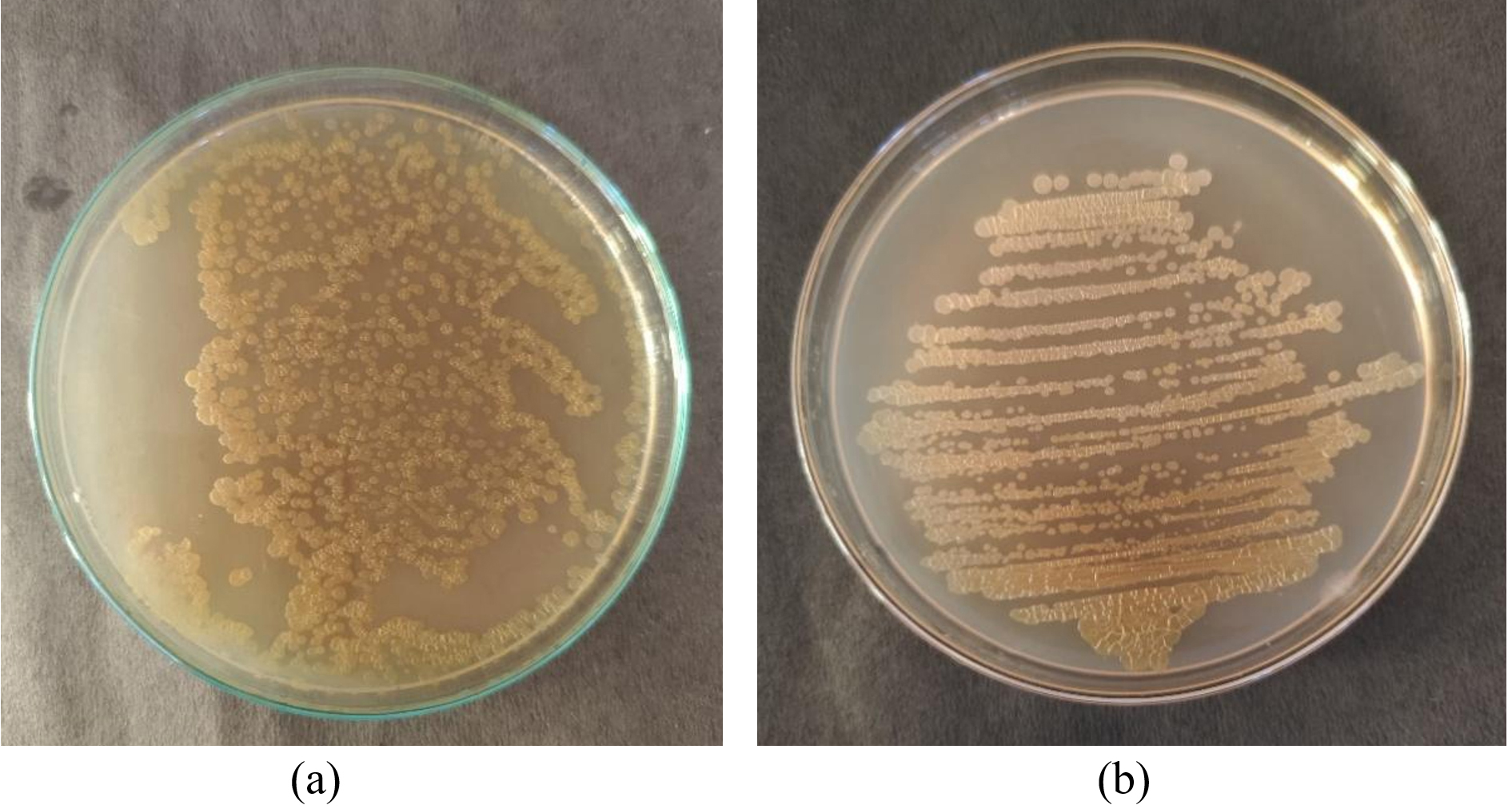
Figure 1. Colony morphology of the selected Streptomyces isolate grown on ISP-2 agar showing characteristic colony texture, pigmentation, and aerial mycelium. (a) Representative colony morphology of isolate 1 (b) Representative colony morphology of isolate 2
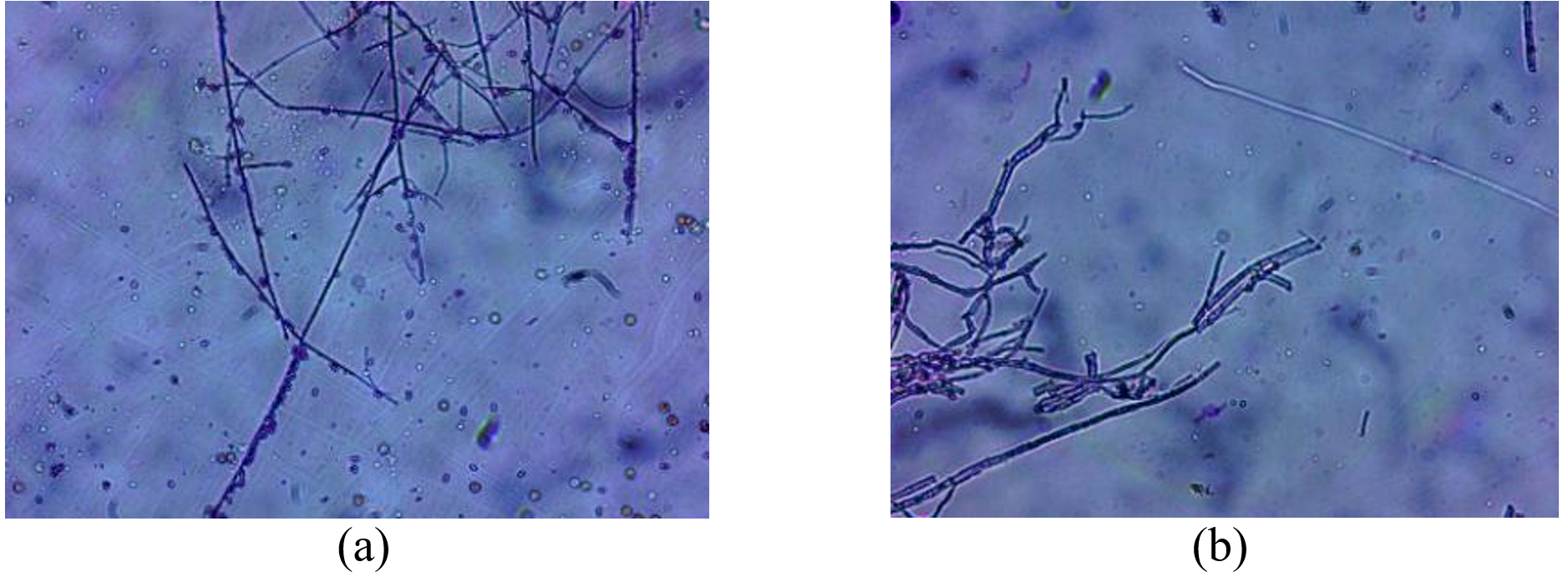
Figure 2. Gram staining of the selected Streptomyces isolate showing Gram-positive filamentous hyphae and branching mycelial structures under 100× oil immersion magnification. (a-b) Representative microscopic fields
Identification of R. solani
The isolated fungus from infected potato tuber was initially identified based of its cultural and microscopic characteristics. On PDA (Potato Dextrose Agar), R. solani formed light brown or pale to dark brown, cotton colonies with irregular margins. Under microscope, it was observed that the hyphae were septate, broad and branched at 90° angle which is a characteristic morphological feature of R. solani. In addition, typical septate hyphae with right-angle branching and constriction at the point of branching were also reported which further supported the morphological identification of the fungi.
For the confirmation, the Quality of DNA was assessed using a 1.0% Agarose gel, revealing a single band of high-molecular weight DNA. ITS gene fragment was amplified using PCR. After being resolved on Agarose, a single distinct PCR amplicon band was seen. To get rid of impurities, the PCR amplicon was purified by column purification. DNA sequencing reaction of PCR amplicon was carried out With ITS1 & ITS4 primers using BDT v3.1 Cycle Sequencing Kit on ABI 3500xl Genetic Analyzer. The ITS gene sequence was used to carry out BLAST with the NCBI GenBank database. Multiple sequence alignment software applications were used to align the first 10 sequences based on the maximum identity score. The phylogenetic tree is represented in Figure 3, with the accession number KX631266.1.
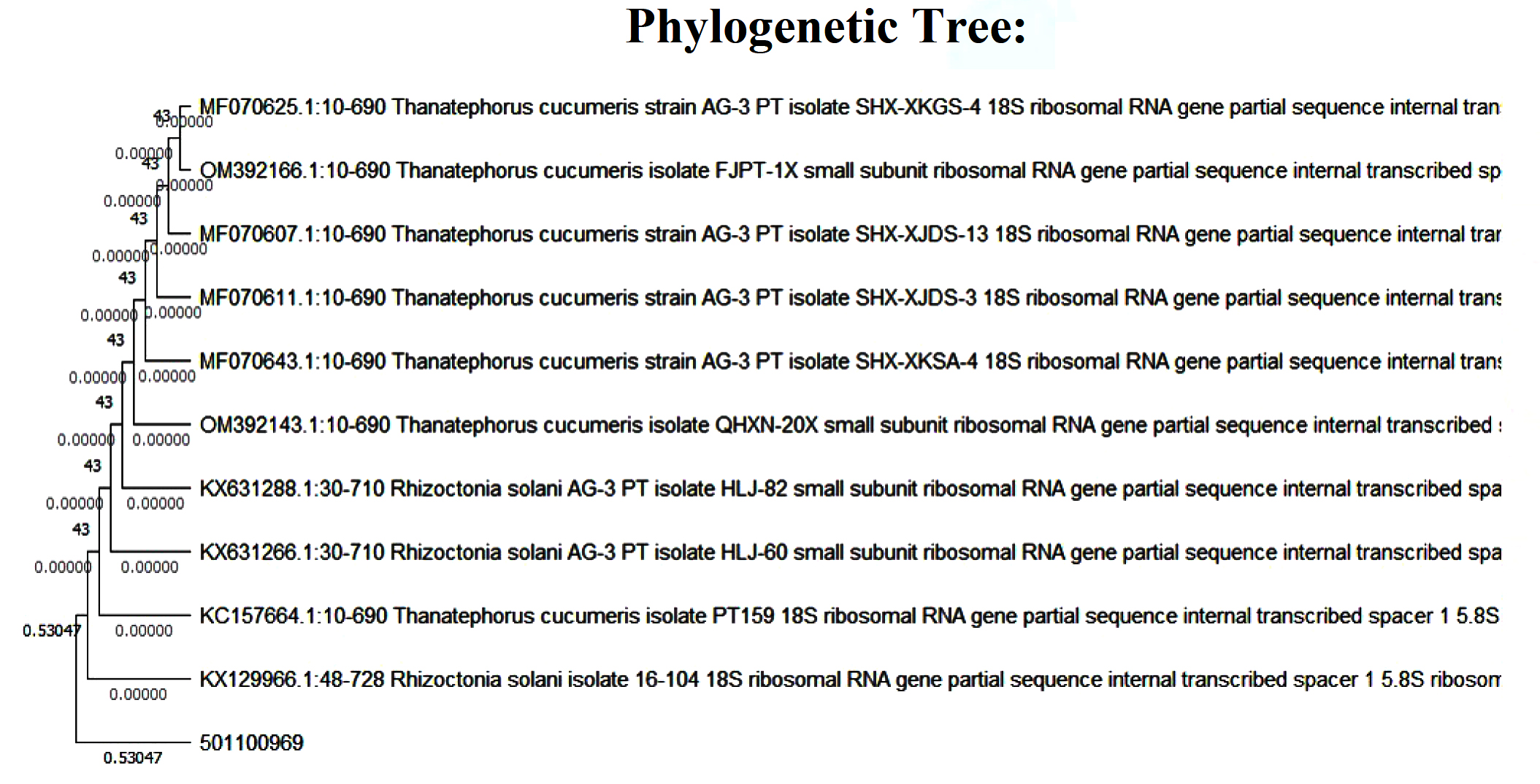
Figure 3. Molecular phylogenetic tree of Rhizoctonia solani constructed based on ITS rRNA gene sequences using the Neighbor-Joining method. Bootstrap values are shown at the branch nodes
Primary screening and biochemical characterization of isolates
The primary screening of eighteen suspected Actinomycetes was completed through perpendicular streak technique against Rhizoctonia solani. Seven of these isolates, M1 and M2 from maize, W1 and W2 from wheat, and R1, R2, and R3 from rice soil, exhibited antimicrobial activity by inhibiting R. solani growth and showing positive results.
It was observed that these seven active isolates were catalase, oxidase, citrate, starch, and casein positive and indole and MR-VP negative. Additionally, the outcome of the other biochemical tests like lipid hydrolysis, gelatin hydrolysis, while consumption and breakdown of different sugars was found to be varied among the isolates and is mentioned in Table 2 and Table 3, respectively. These were the characteristics of Streptomyces genus.
Table 2. Biochemical Characterization of Active Streptomyces Isolates
| Isolates | Biochemical Tests | |||||||||
|---|---|---|---|---|---|---|---|---|---|---|
| Catalase | Oxidase | Gelatin Hydrolysis | Lipid Hydrolysis | Strach Hydrolysis | Casien | Citrate | Indole | MR* | VP* | |
| M1 | + | + | – | + | + | + | + | – | – | – |
| M2 | + | + | – | + | + | + | + | – | – | – |
| W1 | +- | + | – | – | + | – | + | – | – | – |
| W2 | + | + | – | + | – | – | + | – | – | – |
| R1 | +- | + | – | – | + | – | + | – | – | – |
| R2 | + | + | – | + | – | + | + | – | – | – |
| R3 | + | + | – | – | + | + | + | – | – | – |
MR- Methyl Red, VP- Voges-Proskauer, Positive (+), Negative (-)
Table 3. Utilization of Different Sugars by Streptomyces Isolates
Carbohydrates (Sugars) |
M1 |
M2 |
W1 |
W2 |
R1 |
R2 |
R3 |
|---|---|---|---|---|---|---|---|
Glucose |
– |
+ |
+ |
– |
+ |
– |
– |
Lactose |
– |
– |
– |
– |
– |
– |
– |
Maltose |
– |
– |
– |
– |
– |
– |
– |
Xylose |
+ |
+ |
+ |
+ |
+ |
+ |
+ |
Arabinose |
– |
– |
– |
– |
– |
– |
– |
Raffinose |
+ |
– |
+ |
– |
+ |
+ |
– |
Rhamnose |
+ |
– |
– |
+ |
– |
+ |
+ |
Sucrose |
+ |
+ |
+ |
+ |
+ |
+ |
+ |
Mannitol |
– |
+ |
– |
+ |
– |
– |
+ |
A “+” indicates a positive result, while a “-” indicates a negative result
A+ (Acid Production): Yellow colour change, A- (No Acid Production): No colour change (remains red), G+ (Gas Production): Gas bubbles observed in the Durham tube, G- (No Gas Production): No gas bubble formation.
Secondary screening: Concentration-dependent inhibition, MFC, and Molecular Identification
Secondary screening using the agar well diffusion method demonstrated that isolates W1 and R1 exhibited the strongest antifungal activity against Rhizoctonia solani (Figure 4). Isolate W1 produced a mean inhibition zone of 17.33 ± 2.08 mm, whereas R1 produced an inhibition zone of 13.00 mm. The positive control (Validamycin) produced an inhibition zone of 24.00 mm, while no inhibition was observed in the negative control (Table 4). These isolates were then subjected to Concentration- dependent inhibition.
Table 4. Antifungal activity of selected isolates against R. solani
Treatment |
Zone of inhibition (mm) |
|---|---|
W1 |
17.33 ± 2.08 |
R1 |
13.00 |
Validamycin |
24.00 |
Negative control |
0 |
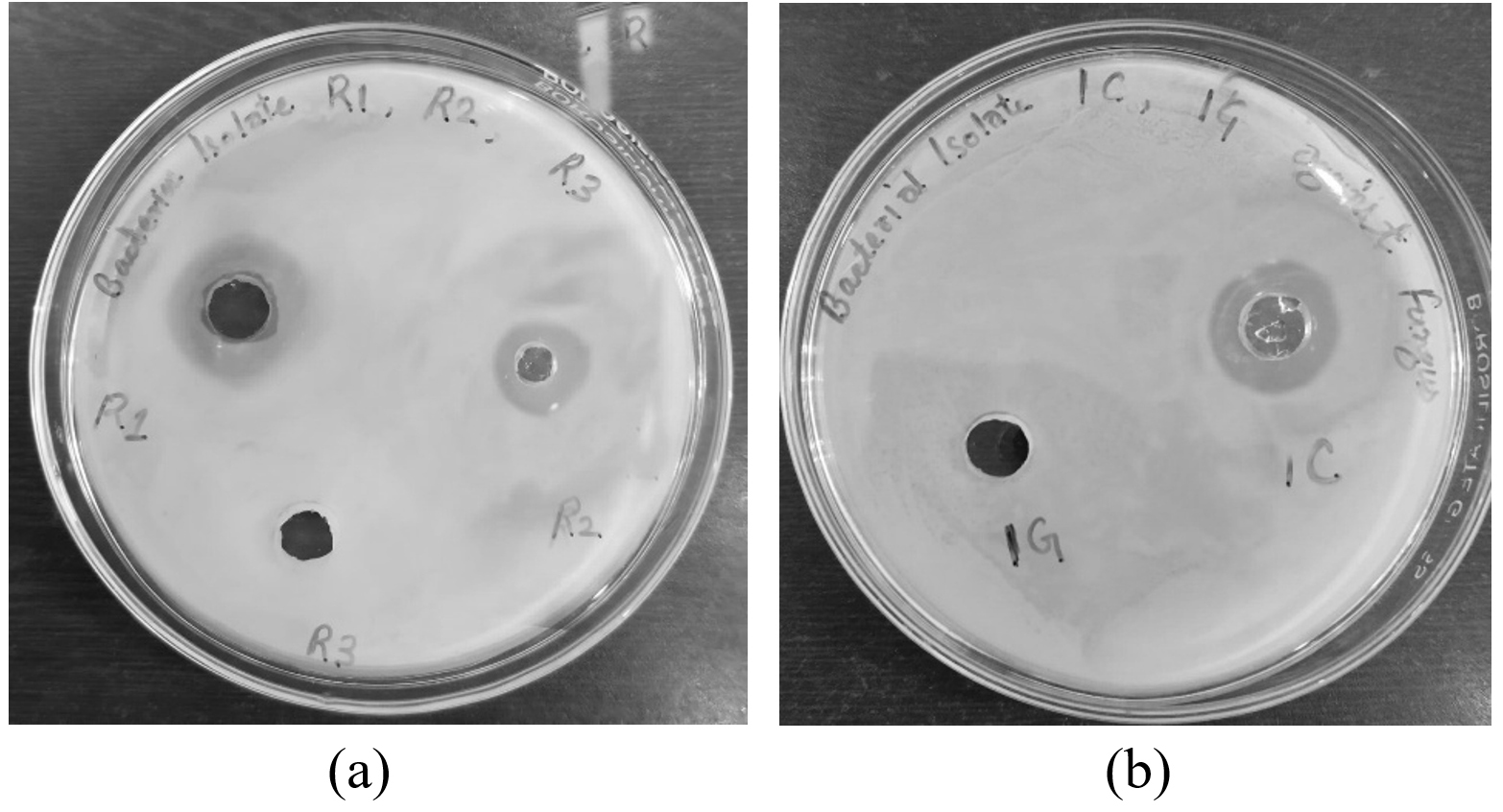
Figure 4. Clear Inhibition zone observed by the antimicrobial activity of (a) R1 and (b) W1 against R. solani
It was found that rate of inhibition increased for both the isolates with increasing concentrations during concentration-dependent activity MI. R1 showed normal inhibition, exerting the highest inhibition of 45.76% at 1.50 µL, while W1 showed a significantly higher antifungal activity of 69.46% inhibition at 1.50 µL. This determined that W1 was more potent than R1 for inhibiting the growth of R. solani. Concentration-dependent inhibition data are presented in Table 5 and Figure 5.
Table 5. Concentration-dependent antifungal inhibition of W1 and R1 against Rhizoctonia solani
| Sample | Concen. (µL/ml) | Inhibition (%) |
|---|---|---|
| Test culture | – | – |
| R1 | 25 | 7.11 |
| 50 | 24.52 | |
| 75 | 27.24 | |
| 100 | 29.91 | |
| 125 | 43.12 | |
| 150 | 45.76 | |
| W1 | 25 | 12.83 |
| 50 | 13.90 | |
| 75 | 49.01 | |
| 100 | 55.92 | |
| 125 | 61.39 | |
| 150 | 69.46 |
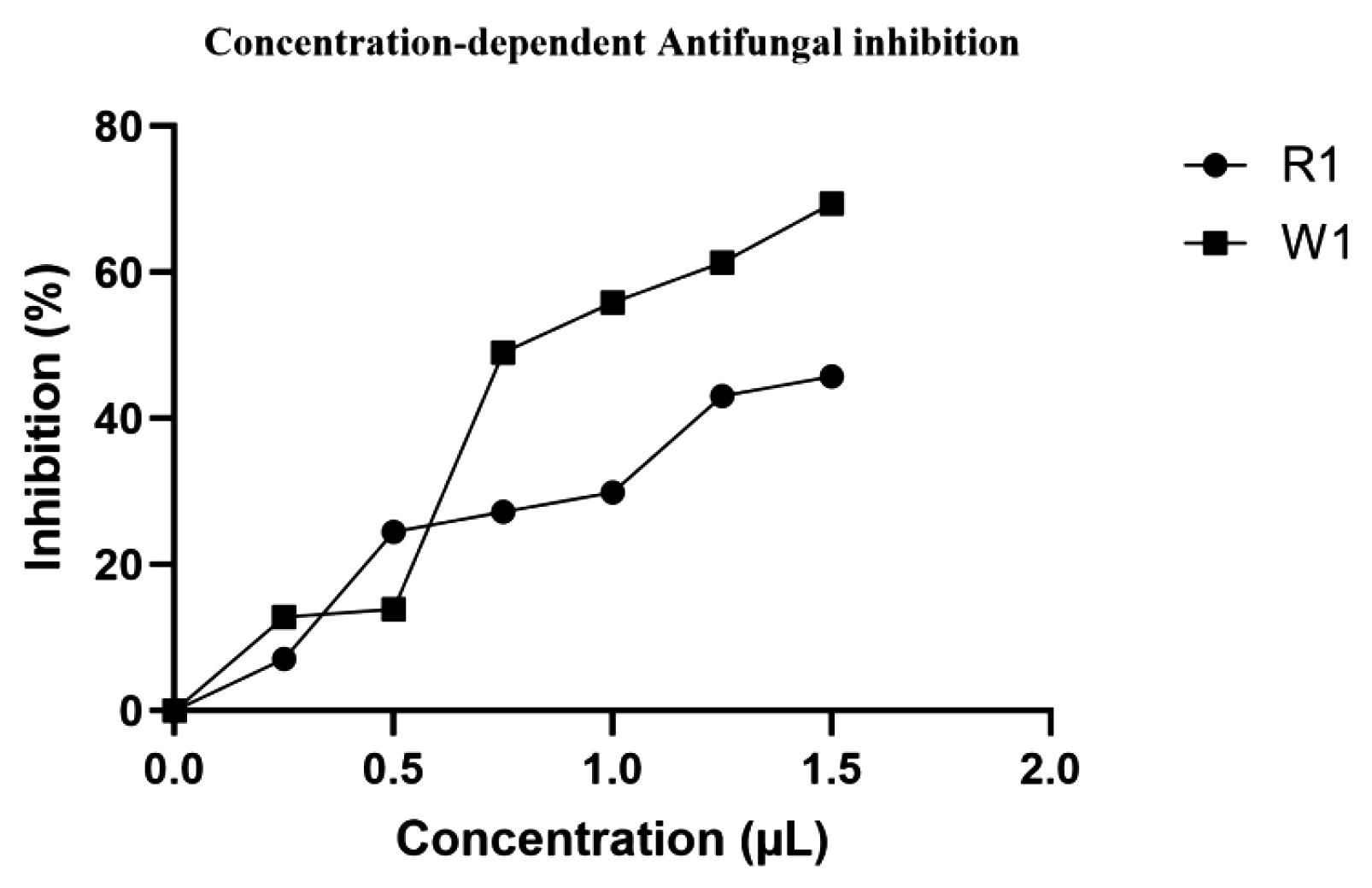
Figure 5. Concentration-dependent antifungal inhibition of Rhizoctonia solani by Streptomyces isolates W1 and R1, expressed as percentage inhibition based on OD600 measurements. Circle (●) represents isolate R1 and square (■) represents isolate W1
Aliquots from the treated tubes were plated onto fresh Sabouraud Dextrose Agar (SDA) plates and incubated at 27 °C for 72 hrs. The lowest concentration that prevented fungal regrowth was recorded as the Minimum Fungicidal Concentration (MFC). The MFC of R1 was 100 µL/mL, whereas the MFC of W1 was 75 µL/mL, indicating that W1 exhibited greater fungicidal activity against R. solani.
Isolate labeled as W1 was found to be Streptomyces aquilus on the basis of its nucleotide homology analysis & phylogenetic analysis. This was supported by the result of a phylogenetic tree constructed by the neighbour-joining method (Figure 6).
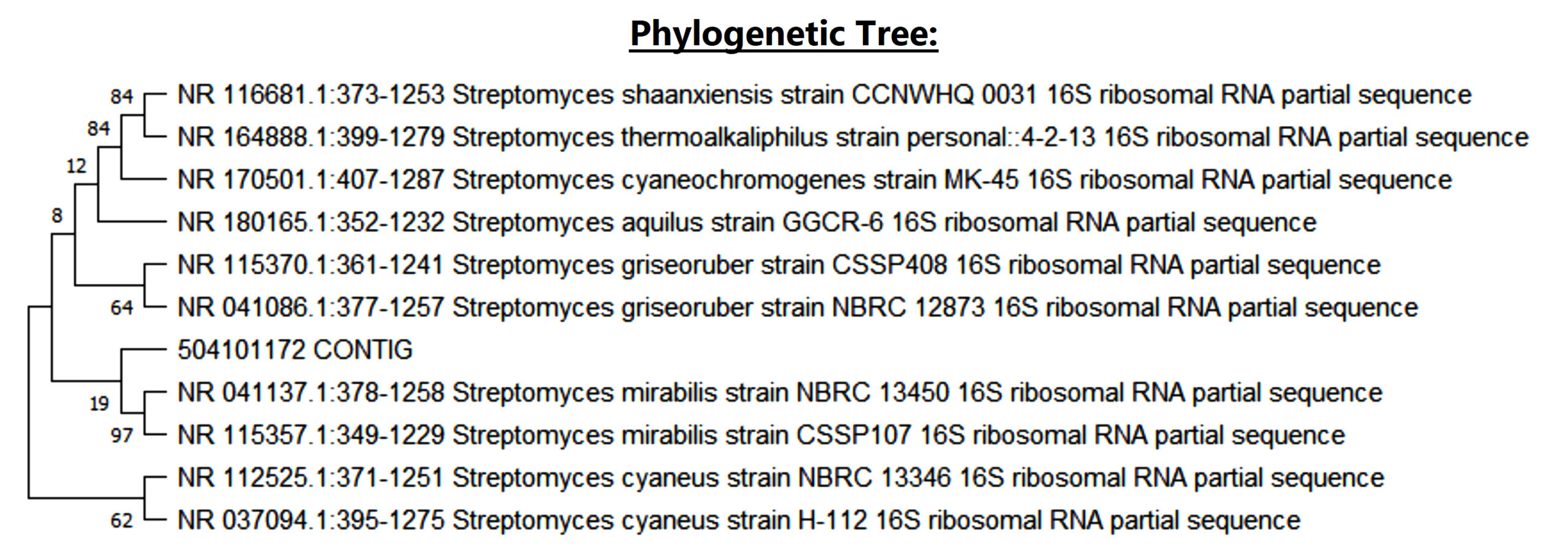
Figure 6. Molecular Phylogenetic analysis for Streptomyces aquilus
The Neighbour-Joining approach was used to derive the evolutionary history.23 The evolutionary history of the taxa under analysis was assumed to be represented by the bootstrap consensus tree derived from 500 replicates.24 Partitions that were replicated in less than 50% of bootstrap replicates are represented by collapsed branches. The percentage of duplicate trees the branches are accompanied where the related taxa clustered together in the bootstrap test (500 repetitions) is shown alongside the branches.24 Eleven nucleotide sequences were analyzed, and the Jukes-Cantor technique22 was used to compute the evolutionary distances, which are reported in terms of the number of base substitutions per site. All unclear sites were removed for each pair of sequences (pirW1se deletion option). In total, 881 locations were included in the final dataset. Evolutionary analyses were performed using MEGA11.25 The species was confirmed with the accession number NR180165.1.
Streptomyces aquilus isolated from agricultural soil exhibited significant antifungal activity against Rhizoctonia solani in the present study. Utilizing Streptomyces species as a biological control agent to combat bacterial and fungal diseases that can impact plants has been highlighted in recent research.26,27 Streptomyces works well against a range of phytopathogenic fungi, including Rhizoctonia solani, which causes potato black scurf, according to several studies,28,29 and this observation has also been supported in earlier reports showing Streptomyces spp. as considerable producers of antifungal metabolites.30-32 Additionally, Streptomyces strain KX852460 had the largest peak number of significant aromatic compounds, good antifungal activity, and the potential to be a biocontrol agent against R. solani.33 The highest antagonistic activity was shown by isolate W1, later identified as Streptomyces aquilus, in agreement with the well-documented broad-spectrum bioactivity of S. aquilus strains.34 The pronounced inhibitory zones and Concentration-dependent inhibition activity values denote the production of some potent bioactive molecules that include streptomycin-like metabolites, which are known for their activities against both bacterial and fungal phytopathogens.35,36 In addition to protecting tomato plants against Rhizoctonia solani, Streptomyces strains R7 and F8 significantly promote plant growth and overall development.37
Comparative studies have also shown that antagonism can be exerted via multiple mechanisms by microbial antagonists like Streptomyces spp. competition for nutrients, antibiosis, and induction of systemic resistance in plants.38-40 This study gives credence to the above viable modes of action and indicates that direct pathogen suppression interacting with the enhancement of host defence41 may also be possible with the isolate W1 against R. solani. The antifungal power of Streptomyces culture broth against Rhizoctonia solani probably stems from the secretion of a variety of bioactive secondary metabolites. These include a host of antibiotics, lytic enzymes that attacks on fungal cell walls, and volatile organic compounds that stop mycelial growth and spore germination. By interfering with vital enzymatic processes, changing membrane permeability, or interfering with cell wall synthesis, these substances can prevent fungal growth. According to earlier research, Streptomyces species generate antifungal substances like chitinase, streptomycin, and actinomycin that break down the fungal cell wall and inhibit mycelial growth.30,42 The observed inhibition zones imply that the active isolates secrete extracellular metabolites has potential of inhibiting growth of R. solani through one or more of these mechanisms, even though the precise mechanism was not experimentally determined in this study. At least as sustainably, the development of biocontrol agents such as S. aquilus an answer to the pressing need for sustainable disease management strategies, practicing the less and less of antibiotics that would otherwise pollute the environment or generate resistance in pathogens.29,43 Without the field proving potential in vitro antagonism, it would be more critical. Natural environmental factors such as soil microbiome dynamics, abiotic stresses, and pathogen variability could have a consequential impact on the biocontrol efficacy.44
Thus, studies in the following directions should examine the isolation and characterization of volatile organic compound from W1, elucidate the biosynthetic pathways, and conduct a field trial for validation toward applicability. Genomics and metabolomics profiling could further unravel novel antifungal compounds, thus lending to the development of next-generation biocontrol solutions.45 In conclusion, this study demonstrates the prospects of indigenous S. aquilus strains as biocontrol agents against R. solani, providing a credible sustainable option for the management of plant diseases in potato cultivation.
Streptomyces aquilus isolated from agricultural soil exhibited significant in vitro antifungal activity against Rhizoctonia solani, a major pathogen associated with black scurf and stem canker disease of potato. Among the eighteen Actinomycetes isolates recovered, seven exhibited antagonistic activity, with isolates W1 and R1 showing the strongest antifungal effects. Molecular characterization identified isolate W1 as Streptomyces aquilus. Concentration-dependent antifungal inhibition and fungicidal activity assessments demonstrated that W1 exhibited greater inhibitory activity against R. solani than the other active isolates. These findings highlight the potential of soil-derived Streptomyces as a promising source of antifungal metabolites for the biological management of plant diseases. However, further studies involving metabolite characterization, greenhouse evaluation, and field validation are required before practical agricultural application.
ACKNOWLEDGMENTS
None.
CONFLICT OF INTEREST
The authors declare that there is no conflict of interest.
AUTHORS’ CONTRIBUTION
SK conceptualized the study and conducted all the experimental work. AK provided co-supervision during the experimental design and assisted with data interpretation. SK collected and analyzed the data and wrote the original manuscript. SS supervised the overall research, critically reviewed and revised the manuscript, and approved the final manuscript for publication.
FUNDING
None.
DATA AVAILABILITY
The datasets generated and/or analysed during the current study are available from the corresponding author on reasonable request.
ETHICS STATEMENT
Not applicable.
- Raaijmakers JM, Paulitz TC, Steinberg C, Alabouvette C, Moenne-Loccoz Y. The rhizosphere: A playground and battlefield for soilborne pathogens and beneficial microorganisms. Plant Soil. 2009;321(1):341-361.
Crossref - Berendsen RL, Pieterse CMJ, Bakker PAHM. The rhizosphere microbiome and plant health. Trends Plant Sci. 2012;17(8):478-486.
Crossref - Tsedaley B. Review on early blight (Alternaria spp.) of potato disease and its management options. J Biol Agric Healthc. 2014;4(27):119-130
- Chudzik A, Jalkanen K, Täubel M, Szponar B, Paściak M. Identification of environmental Actinobacteria in buildings by means of chemotaxonomy, 16S rRNA sequencing, and MALDI-TOF MS. Microbiol Spectr. 2024;12(3):e0359623.
Crossref - Das S, Pattanayak S, Bhargavi B. Overview of Septoria diseases on different crops and its management. Int J Agric Environ Biotechnol. 2020;13(3):311-318.
Crossref - Pieterse CMJ, de Jonge R, Berendsen RL. The soil-borne supremacy. Trends Plant Sci. 2016;21(3):171-173.
Crossref - Weller DM. Pseudomonas biocontrol agents of soilborne pathogens: Looking back over 30 years. Phytopathology. 2007;97(2):250-256.
Crossref - Yang Y, Zhang S, Li K. Antagonistic activity and mechanism of an isolated Streptomyces corchorusii strain AUH-1 against phytopathogenic fungi. World J Microbiol Biotechnol. 2019;35(9):145.
Crossref - Cho SS, Choi YH, Simkhada JR, Mander P, Park DJ, Yoo JC. A newly isolated Streptomyces sp. CS392 producing three antimicrobial compounds. Bioprocess Biosyst Eng. 2012;35(1-2):247-254.
Crossref - Sghir F, Touati J, Mouria B, et al. Effect of Trichoderma harzianum and endomycorrhizae on growth and Fusarium wilt of tomato and eggplant. World J Pharm Life Sci. 2016;2(3):69-93
- McSpadden Gardener BB, Driks A. Overview of the nature and application of biocontrol microbes: Bacillus spp. Phytopathology. 2004;94(11):1259.
Crossref - Zhao S, Liu DY, Ling N, Chen FD, Fang WM, Shen QR. Bio-organic fertilizer application significantly reduces the Fusarium oxysporum population and alters fungal community composition in watermelon Fusarium wilt rhizosphere soil. Biol Fertil Soils. 2014;50(5):765-774.
Crossref - Pandey BP, Pradhan SP, Adhikari K, Shrestha RK. Screening and molecular identification of Streptomyces species isolated from high-altitude soil of Nepal. Korean J Microbiol. 2021;57(3):174-182.
Crossref - Khadayat K, Sherpa DD, Malla KP, et al. Molecular identification and antimicrobial potential of Streptomyces species from Nepalese soil. Int J Microbiol. 2020;2020:8817467.
Crossref - Sapkota A, Thapa A, Budhathoki A, Sainju M, Shrestha P, Aryal S. Isolation, characterization and screening of antimicrobial-producing actinomycetes from soil samples. Int J Microbiol. 2020;2020:2716584.
Crossref - Demirci E, Dane E, Eken C. In vitro antagonistic activity of fungi isolated from sclerotia on potato tubers against Rhizoctonia solani. Turk J Biol. 2011;35(4):457-462.
Crossref - Yang Y, Wu ZM, Li KT. The peculiar physiological responses of Rhizoctonia solani under antagonistic interaction coupled by a novel antifungalmycin N2 from Streptomyces sp. N2. Arch Microbiol. 2019;201(6):753-760
Crossref - Moni ZR, Ali MA, Alam MS, et al. Morphological and genetical variability among Rhizoctonia solani isolates causing sheath blight disease of rice. Rice Sci. 2016;23(1):42-50.
Crossref - Getha K, Vikineswary S. Antagonistic effects of Streptomyces violaceus niger strain G10 on Fusarium oxysporum f.sp. cubense race 4: Indirect evidence for the role of antibiosis in the antagonistic process. J Ind Microbiol Biotechnol. 2002;28(6):303-310.
Crossref - Komaki H. Recent Progress of Reclassification of the Genus Streptomyces. Microorganisms. 2023;11(4):831.
Crossref - Tamura K, Stecher G, Kumar S. MEGA11: Molecular Evolutionary Genetics Analysis Version 11. Mol Biol Evol. 2021;38(7):3022-3027.
Crossref - Logrieco A, Moretti A, Solfrizzo M. Alternaria toxins and plant diseases: An overview of origin, occurrence and risks. World Mycotoxin J. 2009;2(2):129-140.
Crossref - Jukes, TH, Cantor, CR. Evolution of Protein Molecules. In: Munro HN, ed. Mammalian protein metabolism, Academic Press, New York, 21-132.
Crossref - Saitou N, Nei M. The neighbor-joining method: A new method for reconstructing phylogenetic trees. Mol Biol Evol. 1987;4(4):406-425.
Crossref - Felsenstein J. Confidence limits on phylogenies: An approach using the bootstrap. Evolution. 1985;39(4):783-791.
Crossref - Le KD, Yu NH, Park AR, Park DJ, Kim CJ, Kim JC. Streptomyces sp. AN090126 as a biocontrol agent against bacterial and fungal plant diseases. Microorganisms. 2022;10(4):791.
Crossref - Kapoor P, Joshi P, Pal M, Parkash V. Actinobacteria as proficient biocontrol agents for combating fungal diseases in forest plant species. J Basic Microbiol. 2025;65(9):e70030.
Crossref - Suarez-Moreno ZR, Vinchira-Villarraga DM, Vergara-Morales DI, et al. Plant-growth promotion and biocontrol properties of three Streptomyces spp. isolates to control bacterial rice pathogens. Front Microbiol. 2019;10:290.
Crossref - Panchalingam H, Ashfield-Crook N, Naik V, et al. Testing the biocontrol ability of a Trichoderma–Streptomycetes consortium against Pyrrhoderma noxium in soil. J Fungi. 2022;9(1):67.
Crossref - Khan S, Srivastava S, Karnwal A, Malik T. Streptomyces as a promising biological control agent for plant pathogens. Front Microbiol. 2023;14:1285543.
Crossref - Berdy J. Bioactive microbial metabolites. J Antibiot. 2005;58(1):1-26.
Crossref - Viaene T, Langendries S, Beirinckx S, Maes M, Goormachtig S. Streptomyces as a plant’s best friend? FEMS Microbiol Ecol. 2016;92(8):fiw119.
Crossref - Sholkamy EN, Muthukrishnan P, Abdel-Raouf N, Nandhini X, Ibraheem IBM, Mostafa AA. Antimicrobial and antinematicidal metabolites from Streptomyces cuspidosporus strain SA4 against selected pathogenic bacteria, fungi and nematode. Saudi J Biol Sci. 2020;27(12):3208-3220.
Crossref - Ahsan T, Chen J, Zhao X, Irfan M, Wu Y. Extraction and identification of bioactive compounds (eicosane and dibutyl phthalate) produced by Streptomyces strain KX852460 for the biological control of Rhizoctonia solani AG-3 strain KX852461 to control target spot disease in tobacco leaf. AMB Expr. 2017;7(1):54.
Crossref - Tiwari K, Gupta RK. Diversity and isolation of rare actinomycetes: an overview. Critical Reviews in Microbiology. 2012;39(3):256-294.
Crossref - Tanaka Y, Omura S. Agroactive compounds of microbial origin. Annu Rev Microbiol. 1993;47(1):57-87.
Crossref - Bharathi D, Lee J. Recent advances in marine-derived compounds as potent antibacterial and antifungal agents: A comprehensive review. Mar Drugs. 2024;22(8):348.
Crossref - Ebrahimi-Zarandi M, Bonjar GHS, Riseh RS, El-Shetehy M, Saadoun I, Barka EA. Exploring two Streptomyces species to control Rhizoctonia solani in tomato. Agronomy. 2021;11(7):1384.
Crossref - Palaniyandi SA, Yang SH, Zhang L, Suh JW. Effects of Actinobacteria on plant disease suppression and growth promotion. Appl Microbiol Biotechnol. 2013;97(22):9621-9636.
Crossref - Jin F, Xu L, Xu H, Yang Q, Feng B. Streptomyces toxytricini, a biocontrol plant growth-promoting bacterium against smut of broomcorn millet (Panicum miliaceum L.). Biol Control. 2025;204:105743.
Crossref - Xiang H, Stojilkovic B, Gheysen G. Decoding plant–pathogen interactions: A comprehensive exploration of effector–plant transcription factor dynamics. Mol Plant Pathol. 2025;26(1):e70057.
Crossref - Vurukonda SSKP, Giovanardi D, Stefani E. Plant growth-promoting and biocontrol activity of Streptomyces spp. as endophytes. Int J Mol Sci. 2018;19(4),952.
Crossref - Compant S, Duffy B, Nowak J, Clement C, Barka EA. Use of plant growth-promoting bacteria for biocontrol of plant diseases: Principles, mechanisms of action and future prospects. Appl Environ Microbiol. 2005;71(9):4951-4959.
Crossref - Tyagi A, Tamang TL, Kashtoh H, et al. A Review on Biocontrol Agents as Sustainable Approach for Crop Disease Management: Applications, Production, and Future Perspectives. Horticulturae. 2024;10(8):805.
Crossref - Romario-Silva D, de Brito Costa EMM, Silva JPR, et al. Bioinformatics in antifungal design: Strategies to overcome resistance from a proteomic perspective. Curr Fungal Infect Rep. 2026;20:2.
Crossref
© The Author(s) 2026. Open Access. This article is distributed under the terms of the Creative Commons Attribution 4.0 International License which permits unrestricted use, sharing, distribution, and reproduction in any medium, provided you give appropriate credit to the original author(s) and the source, provide a link to the Creative Commons license, and indicate if changes were made.