

ISSN: 0973-7510
E-ISSN: 2581-690X
 and Durgeshwer Singh
 Phosphorus is a vital nutrient that plants need to grow and develop, and its availability is limited because it is continuously fixed with metallic compounds, which form insoluble complexes. To address this problem, chemical phosphorus fertilizers have been used extensively. However, prolonged use of these fertilizers has several disadvantages, including causing nutrient imbalances, degrading soil fertility by disrupting beneficial microbes, and leading to soil acidification. To find a sustainable solution research has explored naturally occurring phosphate-solubilizing bacteria (PSBs). The purpose of the current research was to isolate and screen PSB’s from rhizospheric soil of Litchi. Total 30 bacterial isolates were tested for phosphate solubilization using a halo-zone method. Six of these bacterial isolates exhibited significant phosphate solubilizing activity, with a Phosphate Solubilization Index (PSI) of ≥2. All six isolates were further analyzed to quantify the released phosphate. These bacterial isolates demonstrated remarkable efficiency in solubilizing insoluble tricalcium phosphate, with soluble phosphorus levels ranging from 288.44-723.42 µg ml-1. Biochemical tests and molecular characterization were conducted to identify six bacterial isolates, which were identified as Priestia megaterium, Bacillus sp., Shouchella clausii, and Pseudomonas sp. The results suggest that these PSB strains could be useful for sustainable agricultural practices, as they can improve soil phosphorus availability and soil fertility.
Litchi chinensis, Molecular Characterization, Phosphate Solubilizing Bacteria, Phosphate-solubilizing Index, Sustainable Agriculture
Soil is essential for helping plants grow strong and healthy by providing essential nutrients and an appropriate environment for their growth. Its composition varies based on the presence of organic materials, mineral content, microbes, water and soil air quality. Out of all essential macronutrients, phosphorus (P) is an extremely important one that enhances the fertility of soils and supports proper growth and development in plants.1 Within biological molecules, phosphorus is a central component, helping in the transfer of energy, photosynthesis, development of roots, and the formation of DNA, RNA, and other vital molecules. Phosphorus is found abundantly in soil; however, due to its constant fixation with complex cations, it becomes inaccessible for plant absorption. The soil contains inorganic phosphorus (Pi), which is available for plants to use, and organic phosphorus (Po), which is not accessible for plant uptake.1 The most preferred form of phosphorus for plant assimilation or uptake is phosphate ions, specifically in the form of orthophosphate, which exists in two different forms, namely HPO42- (hydrogen phosphate) and H2PO4– (dihydrogen phosphate).2 In alkaline soil, phosphorus reacts quickly with complex metal cations such as calcium ions (Ca2+ to transform an insoluble compound like tricalcium phosphate (TCP) (Ca3(PO4)2). Likewise, in acid soils, phosphorus combines with Aluminum ions (Al3+) and Iron ions (Fe3+) to form insoluble compounds like aluminum phosphate (AlPO4) and iron phosphate (Fe3(PO4)2), respectively, which are not available for plant uptake.3 Phosphorus deficiency affects nitrogen fixation in legume plants, root development, the strength of stalks and stems and crop productivity.4 To address this challenge, it is important to use phosphorus fertilizers, especially mineral fertilizers like phosphorus pentoxide (P2O5), to help support healthy crop growth. These chemical fertilizers have significantly increased crop yields and have been instrumental in modern agriculture. However, the excessive dependence on chemical fertilizers can cause ecological problems, such as loss of soil fertility, disruption of beneficial microbes, water contamination, and negative impacts on biodiversity. Such environmental threats have given rise to environmentally sustainable agricultural techniques that aim at ensuring the sustainability of soil and environment. Some of these methods include the utilization of biofertilizers, which are becoming more attractive to both researchers and farmers.5
PSB are remarkable microorganisms in the root zone of plants that can solubilize phosphorus. This, in turn, contributes to enhanced soil strength and improved plant health. However, among the various PSBs, the bacterial isolates from genera Bacillus, Klebsiella, and Pseudomonas, along with species of order Enterobacterales are the most commonly isolated PSBs across different soil types around the globe.6 Their abundance and community structure depend on factors, like soil physicochemical properties, nutrient management practices, and ecological interactions.6 Thus, a study of the diversity and distribution of PSBs would be vital for developing efficient biofertilizer formulations and managing nutrients without having to rely on chemical phosphates. With the growing emphasis on sustainable agricultural practices, the utilization of PSB offers significant advantages. The main goal of this study is to explore and better understand the most effective phosphate-solubilizing bacteria found in orchards of the economically important plant, Litchi chinensis. This type of microorganisms can be integrated with traditional fertilizers or used as a more eco-friendly alternative, which helps reduce environmental harm and lower costs for farmers.
Root-adjacent soil collection
Rhizosphere soil was collected from Orchards of the economically important plant Litchi (Litchi chinensis) in sterile polyethene bags from five different regions of Purbi Champaran, Bihar, India (Table 1). The samples were taken from the rhizosphere layer approximately 15-20 cm deep from the topsoil. The samples were carefully transported to the Botany Department, Mahatma Gandhi Central University, Motihari, East Champaran, Bihar. To keep them fresh for testing, they were stored in a refrigerator at 4 °C for further laboratory experiments.
Soil physicochemical analysis
Soil physicochemical tests include measuring soil pH with pH meter Eutech pH 700 and assessing soil electrical conductivity (EC) using the Systronics conductivity meter 306. The estimation of Soil Organic Carbon (SOC) was done using the well-known Walkley and Black method, which involves the use of potassium dichromate (K2Cr2O7).7 Analysis of soil available nitrogen (N) by adopting the alkaline potassium permanganate method, while soil available phosphorus (P) analysis was performed, with the help of Systronics® Double Beam Spectrophotometer 2203 by extraction with sodium bicarbonate method and by ammonium acetate method,8 using the ELICO® CL 378 FLAME PHOTOMETER, soil available potassium (K) content was determined.
Bacterial isolation from rhizospheric soil samples of Litchi chinensis
About 1 gram of each stored soil sample from the Litchi rhizosphere was weighed and mixed with 100 ml autoclaved distilled water in 250 ml reagent bottle. Each reagent bottle was vortexed thoroughly and a serial dilution was prepared up to 10-5. 1000 µl from each serial dilution sample was spread on nutrient agar plates. Inoculated Petri plates were incubated at 35 ± 2 °C for 48 hours. Distinct bacterial colonies appeared on nutrient agar Petri plates after incubation. The separate bacterial colonies were isolated and purified. The pure bacterial cultures were maintained at 4 °C in the refrigerator for subsequent experiments.
Morphological characterization of isolated bacteria
The isolated bacteria were assessed initially for their colony characteristics (phenotypic appearance), including color, size, shape (form), elevation (height), edge (border), opacity (translucency) and surface texture. The structure of bacterial isolates, including their shape, size, and arrangements, was also analyzed under the microscope including Gram staining.
Qualitative screening for solubilization of phosphate by isolates of bacteria
The isolated bacterial cultures were utilized for the study of phosphate solubilizing capability. It was determined by both indirect or plate assay method (by measurement of phosphate solubilization/halo zone formation) and direct method (by pH drift of the medium). In the indirect method of qualitative screening, Pikovskaya’s (PVK) agar medium with 0.4% bromothymol blue (BTB) was prepared. Freshly grown bacterial colonies (24-72 hours) were spot-inoculated or streaked onto Petri plates containing PVK agar using a metallic loop. The PVK agar Petri plates were kept at 35 ± 2 °C for ten days to ensure maximum bacterial growth. The Petri plates were examined for any appearance of transparent halos or color change of medium from green to orange around the bacterial colony, which signals the PSBs ability to effectively solubilize phosphate. The inoculated colonies that produced clear zones or changes color of the media were selected and streaked on fresh PVK Petri plates. Subculture Petri plates were placed in incubator at 30 ± 2 °C for ten days. The incubated Petri plates were observed at regular intervals of 3, 5, 7, and 10 days in order to study appearance of clear zones. The diameter of colonies and halo zone was measured, and we then calculated the Phosphate Solubilization Index (PSI). PSI was determined using formula: Diameter of Colony + Clearing zone/ Diameter of Colony.9
The qualitative screening of phosphate solubilization was also assessed for six bacterial isolates that had PSI ³2 by observing changes in the pH in the medium. It was carried out by growing PSB isolated in a liquid PVK medium (pH 7.0). 1.0 ml of freshly prepared bacteria culture was inoculated into 100 ml PVK broth medium added with 0.5% TCP, serving as an insoluble source of phosphorus. Bacterial cultures were then incubated in a shaking incubator set at 35 ± 2 °C and 120 rpm continuously up to 10 days. Five ml aliquots from each medium were collected in tubes, and centrifugation was carried out at 10,000 RPM for 10 minutes at 4 °C. Then the supernatant was collected and used to determine soluble phosphate by measuring pH with an Eutech pH 700 pH meter at 0, 3, 5, 7 and 10 days. pH drift towards acidic values indicated solubilization of inorganic phosphate present in the inoculated PVKs’ liquid medium.
Biochemical characterization of PSB
Bacterial isolates were distinguished by differences in colony appearance and formation of a halo zone due to TCP solubilization on PVK agar Petri plates. Among 30 isolates, only 6 bacterial isolates were screened as promising phosphate solubilizers. The bacterial isolates were further evaluated using various biochemical tests in triplicate. To analyze the potential of PSBs’ to utilize starch as a carbon source, they were cultured on plates of starch agar and maintained at 35 ± 2 °C for 24 hours. The generation of Indole was identified when there was formation of a cherry red ring in surface layer of inoculated Tryptone broth tubes, after adding Kovac’s reagent. MR-VP tests were also performed for the bacterial isolates. Citrate utilization activity was determined using slants of Simmons citrate agar, in which sodium citrate was used as the only available carbon and energy source. 1 ml of 1% bromothymol blue solution was added to Simmons citrate agar medium. A Positive citrate utilization test was observed in case where medium changed its color from green to blue after 7 days of incubation.10 Carbohydrate fermentation tests using various carbohydrates as an energy source that were utilized by bacterial isolates were also carried out for the characterization of bacterial isolates.
Determination of phosphate solubilization quantities via tricalcium phosphate
The quantitative solubilization capability of PSB was done in PVK broth medium supplemented with 0.5 % TCP. 1.0 ml of freshly grown bacterial isolates were added in 100 ml broth medium and incubated at 35 ± 2 °C. 5 ml bacterial aliquots were transferred from each bacterial sample and then spun at 10,000 rpm for 15 minutes in centrifuge set at 4 °C. The concentration of solubilized phosphorus was measured using the modified ascorbic acid method from the collected supernatant.11 Take 1 ml of supernatant and gently mix it with a freshly prepared reaction mixture that contains ammonium molybdate (5 ml) and ascorbic acid (4 ml). Make the final volume 25 ml with sterile distilled water, then shake well. The sample was left for 30 minutes to facilitate the full formation of molybdenum blue complex at room temperature. Once the molybdate was reduced with ascorbic acid, a blue-colored molybdic phosphorus complex was developed. The absorbance of the reaction sample was recorded at 660 nm on Systronics® Double Beam Spectrophotometer 2203. The above steps were repeated at a regular interval of 3 day (i.e., day 3rd, 6th, 9th, 12th and 15th). Phosphorus solubility was quantified using a curve created with a standard KH2PO4 solution, with concentrations varying from 0-10 µg ml-1.
Identification of PSB by 16S rRNA gene sequencing
Genomic DNA from the six PSBs was extracted using a commercially available kit (Xploregen gDNA extraction kit, India) while adhering to the manufacturer’s guidelines to ensure optimal results. The 16S primers were utilized to amplify the 16S rDNA samples. For amplification, a total of 50 µl PCR reaction mix was prepared. This volume was prepared by adding 10 µl of 10x PCR buffer, 4 µl of dNTPs (2.5 mM each), 2 µl of forward primer, 2 µl of reverse primer, 1 µl of template DNA, 1 µl of Taq DNA polymerase
(3 U ml-1), and 30 µl of sterile distilled water. In a thermal cycler, the tubes went through 30 cycles following this protocol: 3 minutes of initial denaturation at 94 °C preceded by another 30 cycles of denaturation at that temperature for 1 minute, annealing at 50 °C for 1 minute, and extension at 72 °C for 2 minutes. With a final elongation at 72 °C for 7 minutes. The analysis of PCR products was carried out using 1% agarose gel electrophoresis by loading 8 µl of each PCR product together with a 100 bp DNA ladder. This ladder served as the molecular size marker, helping to estimate the size of the approximately 1.5 kb 16S rRNA gene amplification products. To track the progress of electrophoresis and ensure proper loading into the wells, samples were combined with a 6x bromophenol blue loading dye. The gel was then stained with ethidium bromide (0.5 μg ml-1) and visualized and analyzed in a gel documentation system. From each sample, we gently purified the 16S rRNA gene products using a PCR purification kit, and then sequenced the products from the six bacterial isolates. The purified PCR product was sequenced in both directions using the ABI 3130xl platform.
Processing of data and analysis
Microsoft Excel 2016 and IBM SPSS Statistics 20 software were used for statistical analyses, with results presented as means (±SD, standard deviation). The quantitative phosphate solubilization ability of PSB were evaluated using Correlation and descriptives stats. For phylogenetic tree construction, Neighbor-Joining method was utilized in MEGA11, with a Bootstrap value set up to 1000.
Soil physicochemical analysis
Soil samples adjacent to roots were collected from the Purbi Champaran region, and their physicochemical properties were analyzed as shown in Table 1. This process is crucial because soil physicochemical properties, like its pH, moisture content, organic matter composition, electrical conductivity, nutrient content (concentration of N, P, K or other macro-micronutrients), etc., directly affect the presence of bacterial population and agricultural productivity in a given sample.
Table 1. Location and physico-chemical analysis of soil samples collected from rhizosphere of Litchi chinensis
Sample Id |
GPS location |
pH |
EC (dS m-1) |
TOC (%) |
AN (kg N ha-1) |
AP (kg P ha-1) |
AK (kg K ha-1) |
|---|---|---|---|---|---|---|---|
Bhawanipur Zirat |
26°38’33.5”N 84°55’25.4”E |
7.70 ± 0.03 |
0.68 ± 0.02 |
0.82 ± 0.04 |
260 ± 2.89 |
38 ± 1.73 |
188 ± 1.73 |
Raghunathpur |
26°38’32.5”N 84°53’33.2”E |
8.00 ± 0.03 |
0.49 ± 0.00 |
0.66 ± 0.04 |
150 ± 1.73 |
23 ± 0.58 |
203 ± 2.31 |
Parsa |
26°33’19.7”N 85°05’00.3”E |
7.32 ± 0.01 |
0.44 ± 0.01 |
0.77 ± 0.01 |
250 ± 2.89 |
29 ± 1.73 |
193 ± 2.89 |
Sugauli |
26°45’38.5”N 84°44’53.8”E |
7.70 ± 0.05 |
0.57 ± 0.02 |
0.81 ± 0.02 |
337 ± 4.04 |
34 ± 1.73 |
162 ± 4.62 |
Dekhahan |
26°34’23.9”N 84°59’51.3”E |
7.80 ± 0.02 |
0.57 ± 0.02 |
0.38 ± 0.03 |
226 ± 2.89 |
20 ± 0.58 |
156 ± 2.89 |
The results mentioned are means of three replicates (±SD)
Soil pH is a significant aspect in phosphate solubilization. The gradient of pH can influence bacterial communities with specific functions. The pH values of rhizosphere soil from five different locations are shown in Table 1. All samples were slightly alkaline with pH above 7.0. Raghunathpur location has the highest pH at 8.00 and Parsa has the lowest at 7.32. The results indicate that phosphorus solubilizing bacterial growth is optimal at this pH level. EC of soil is directly related to soil salinity. As EC increases, the soil salinity also rises. The soil samples had an EC range from 0.44-0.68 dS m-1. Sample of Bhawanipur Zirat exhibited the highest EC, while Parsa had the lowest. Samples of Sugauli and Dekhahan both had the same EC value of 0.57 dS m-1. All these results are below 1.0 dS m-1, indicating non-saline soil conditions suitable for most agricultural crops. SOC provides an essential resource of organic matter that bacteria utilize for their metabolism and respiration, thus increasing their growth. In cultivated soils, the frequent application of bio-fertilizers-such as PSBs resulted in higher content of SOC compared to non-cultivated soil. Hence, SOC content supports maintaining overall soil fertility and enhances the efficiency of bacteria and other microbes, which indirectly supports phosphate solubilization and soil nutrient cycling or nutrition of plants. In this study, tested soil samples were found to have SOC levels ranging from 0.38%-0.82%, which are considered low to moderate for an agricultural point of view. Nitrogen serves as a crucial limiting nutrient for plants, following carbon, hydrogen, and oxygen. Nitrogen levels in soil can vary significantly depending on agricultural fields and the soil’s geographical location. In the present study, the tested soil samples exhibited nitrogen levels from 150-337 Kg ha-1. A significant role in bacterial growth and solubilization of phosphate is also played by potassium. Potassium levels within the tested soil samples ranged from 156-203 Kg ha-1, provided a good idea of the soil’s nutrient content. Data from Table 1 show phosphate availability in all studied soil samples laid between 20-38 Kg ha-1. In the Bhawanipur Zirat location, the soil sample showed the maximum concentration of available phosphorus, i.e., 38 Kg ha-1, at an estimated pH of 7.7 and SOC level of 0.82%. While, at pH 7.80 and SOC of 0.38, the amount of phosphorus in the soil was found to be 20 Kg ha-1 only.
Isolation and morphology of bacterial isolates
Thirty bacterial isolates were characterized according to their morphological properties, as shown in Table 2. The phenotypic characteristics of the bacterial colonies were evaluated by examining parameters such as color, size, shape, elevation, margin, opacity, and surface texture. From these bacteria, 9 were Gram-positive cocci, and 14 were Gram-positive rods, while 4 were Gram-negative cocci, and 3 were Gram-negative rods. The observed morphological and microscopic traits indicate a diverse population of microbial isolates, which may belong to different species or exhibit phenotypic variations within a single species. This information provides a foundation for further taxonomic classification, strains differentiation, or functional studies based on colony morphology.
Table 2. Colony morphology of bacteria isolated from rhizosphere of Litchi chinensis
Bacteria Id |
Size (mm) |
Shape |
Color |
Margin |
Elevation |
Surface |
Opacity |
|---|---|---|---|---|---|---|---|
LS1 |
2 |
Circular |
Cream |
Entire |
Raised |
Smooth |
Opaque |
LS2 |
2 |
Circular |
White |
Entire |
Raised |
Smooth |
Opaque |
LS3 |
1 |
Irregular |
Cream |
Undulate |
Raised |
Smooth |
Translucent |
LS4 |
3 |
Circular |
Cream |
Entire |
Raised |
Rough |
Opaque |
LS5 |
3 |
Circular |
White |
Curled |
Raised |
Rough |
Opaque |
LS6 |
1 |
Circular |
Cream |
Entire |
Flat |
Smooth |
Opaque |
LS7 |
1 |
Circular |
Cream |
Entire |
Convex |
Smooth |
Opaque |
LS8 |
1 |
Circular |
Cream |
Entire |
Convex |
Smooth |
Opaque |
LS9 |
2 |
Irregular |
Light brown |
Entire |
Convex |
Smooth |
Opaque |
LS10 |
2 |
Circular |
Light Yellow |
Entire |
Raised |
Smooth |
Translucent |
LS11 |
2 |
Circular |
Cream |
Entire |
Convex |
Smooth |
Opaque |
LS12 |
1 |
Circular |
Cream |
Entire |
Raised |
Smooth |
Opaque |
LS13 |
2 |
Circular |
Cream |
Entire |
Raised |
Smooth |
Opaque |
LS14 |
1 |
Circular |
Light Yellow |
Entire |
Raised |
Smooth |
Opaque |
LS15 |
2 |
Irregular |
Cream |
Lobate |
Flat |
Rough |
Opaque |
LS16 |
1 |
Circular |
Light Orange |
Entire |
Flat |
Smooth |
Opaque |
LS17 |
1 |
Circular |
Orange |
Entire |
Convex |
Smooth |
Opaque |
LS18 |
1 |
Circular |
Cream |
Entire |
Raised |
Smooth |
Opaque |
LS19 |
1 |
Circular |
Yellow |
Entire |
Raised |
Smooth |
Opaque |
LS20 |
2 |
Circular |
Yellow |
Entire |
Raised |
Smooth |
Opaque |
LS21 |
1 |
Circular |
Yellow |
Entire |
Raised |
Smooth |
Opaque |
LS22 |
3 |
Irregular |
Cream |
Undulate |
Raised |
Smooth |
Opaque |
LS23 |
2 |
Circular |
Yellow |
Entire |
Convex |
Smooth |
Opaque |
LS24 |
2 |
Irregular |
White |
Undulate |
Raised |
Smooth |
Opaque |
LS25 |
1 |
Circular |
Cream |
Entire |
Raised |
Smooth |
Opaque |
LS26 |
3 |
Circular |
Fluorescent Yellow |
Entire |
Convex |
Smooth |
Opaque |
LS27 |
1 |
Irregular |
White |
Undulate |
Raised |
Rough |
Opaque |
LS28 |
1 |
Circular |
Yellow |
Entire |
Raised |
Smooth |
Opaque |
LS29 |
2 |
Irregular |
Cream |
Undulate |
Raised |
Smooth |
Opaque |
LS34 |
2 |
Circular |
White |
Entire |
Convex |
Rough |
Opaque |
Screening and evaluation of phosphorus solubilization by PSB
The development of halo zone around colonies provides an initial qualitative assessment of PSBs. This process is useful for identifying microorganisms that can effectively convert the unavailable form of phosphate into soluble, thereby enhancing fertility of soil and promoting sustainable agricultural activities. Out of 30 bacterial isolates as presented in Table 3, only six were found to have phosphate solubilizing efficiency with a phosphate solubilizing index (PSI) ³2 (Figure 1). All bacterial isolates proved their efficiency in solubilizing insoluble TCP by producing clear zones after 3rd day of incubation, with solubilization indexes ranging between 2-6 on the PVK Petri plates. In this study, the bacterial isolates with highest PSI were LS9 and LS12 (PSI = 5.4), while the bacteria with the lowest PSI were found in LS13, i.e., 2.3.
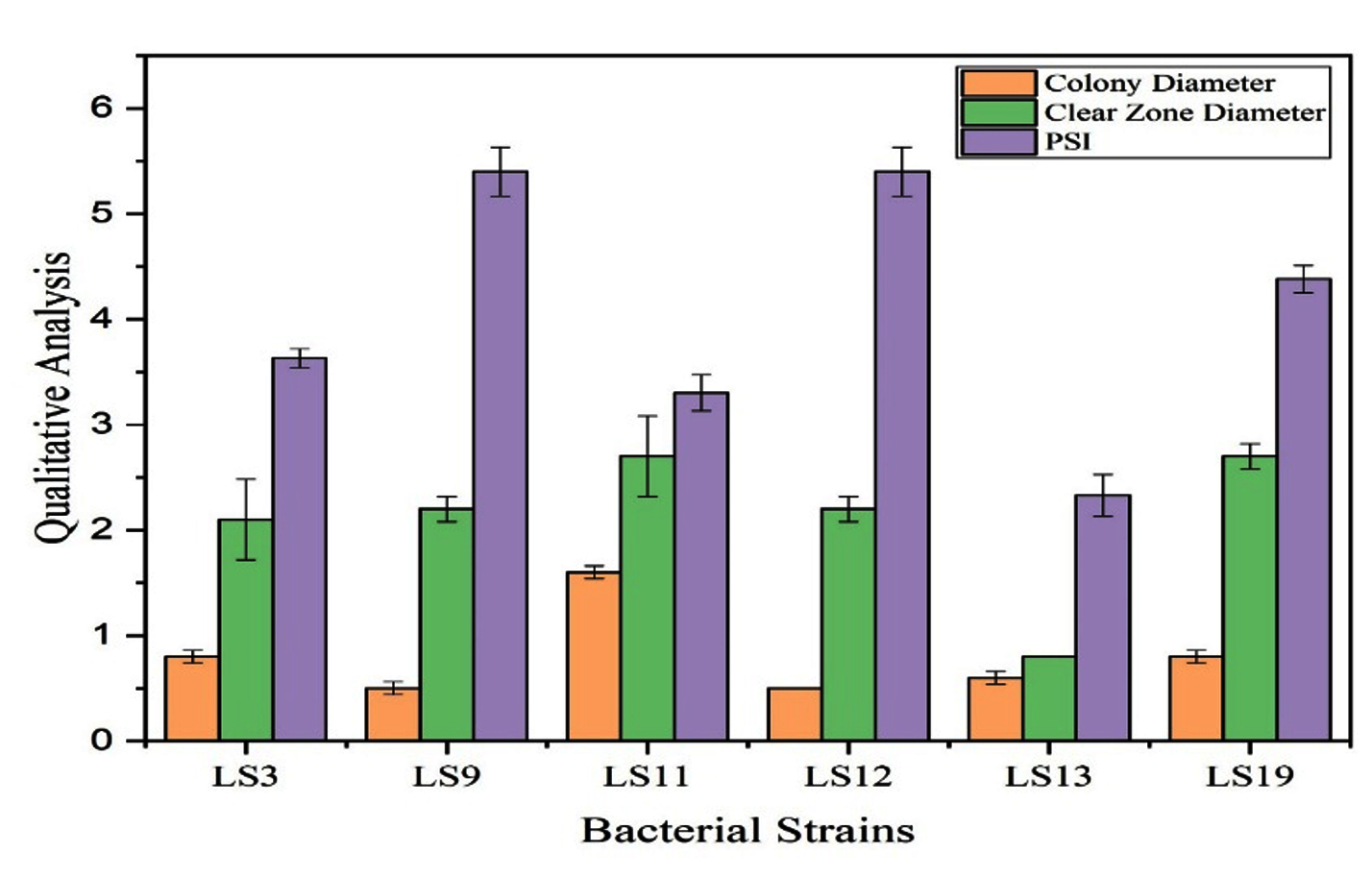
Figure 1. Efficient bacterial strains isolated from Litchi on PVK’s agar plate with phosphate solubilizing index ≥2
Table 3. Qualitative screening of bacteria isolated from Litchi on PVK’s agar plate
Bacterial Name |
Phosphate solubilizing activity |
Bacterial Name |
Phosphate solubilizing activity |
|---|---|---|---|
LS1 |
No |
LS16 |
No |
LS2 |
No |
LS17 |
No |
LS3 |
Yes |
LS18 |
No |
LS4 |
No |
LS19 |
Yes |
LS5 |
No |
LS20 |
No |
LS6 |
No |
LS21 |
No |
LS7 |
No |
LS22 |
No |
LS8 |
No |
LS23 |
No |
LS9 |
Yes |
LS24 |
No |
LS10 |
No |
LS25 |
No |
LS11 |
Yes |
LS26 |
No |
LS12 |
Yes |
LS27 |
No |
LS13 |
Yes |
LS28 |
No |
LS14 |
No |
LS29 |
No |
LS15 |
No |
LS34 |
No |
Direct qualitative measurement or pH change of the PVK medium inoculated with bacterial isolates having PSI ≥2, have shown continuous fall of pH on the 10th day of inoculation (Table 4). The maximum pH reduction observed was in LS11 where pH dropped steadily from initial pH 7.00 to pH 3.26 on the 10th day of incubation, while the minimum pH reduction was observed in bacterial isolate LS13, from pH 7.00-5.09 with TCP as phosphate source. Bacterial isolates LS9, LS11 and LS13 have shown continuous decrease in pH at the 10th day of inoculation with PSI 5.4, 3.3 and 2.33, respectively. While bacterial isolates LS3, LS12 and LS19 showed decrease in pH in initial 7 days, but later the pH was seen to increase in all three cases with estimated PSI 3.63, 5.4 and 4.38, respectively.
Table 4. Qualitative estimation or pH change in PVK broth of phosphate solubilization by phosphate solubilizing bacteria
| Isolate Id | pH change | ||||
|---|---|---|---|---|---|
| 0 day | 3 day | 5 day | 7 day | 10 day | |
| Control | 7.02 ± 0.00 | 7.00 ± 0.01 | 6.99 ± 0.01 | 6.85 ± 0.02 | 6.75 ± 0.00 |
| LS3 | 7.01 ± 0.02 | 5.81 ± 0.22 | 4.53 ± 0.20 | 4.10 ± 0.37 | 4.35 ± 0.06 |
| LS9 | 7.02 ± 0.00 | 5.30 ± 0.12 | 4.75 ± 0.39 | 4.09 ± 0.44 | 3.48 ± 0.15 |
| LS11 | 7.00 ± 0.04 | 5.88 ± 0.25 | 4.79 ± 0.49 | 4.44 ± 0.16 | 3.26 ± 0.21 |
| LS12 | 7.00 ± 0.03 | 5.33 ± 0.37 | 4.77 ± 0.37 | 4.43 ± 0.36 | 4.52 ± 0.14 |
| LS13 | 7.00 ± 0.03 | 6.23 ± 0.32 | 5.28 ± 0.37 | 5.23 ± 0.19 | 5.09 ± 0.10 |
| LS19 | 7.02 ± 0.00 | 5.31 ± 0.27 | 4.64 ± 0.32 | 4.19 ± 0.26 | 4.24 ± 0.23 |
The results of mentioned pH are means of three replicates (pH ± SD). Data is statistically significant with (P-value < 0.05)
While screening for phosphate solubilization activity was performed by observing halo zone formations and drift in pH of the inoculated PVK broth, these two methods were not entirely sufficient because this method relies on variable factors like growth of bacterial cell, organic acid production, and various enzymatic activities. Hence, a more precise quantitative assessment of phosphate solubilization of selected bacteria was performed. Phosphate solubilizing capacity was assessed in vitro using quantification of phosphate solubilization in the culture medium. Findings revealed significant variation in the ability of phosphate solubilization. All bacterial isolates LS3, LS9, LS11, LS12, LS13 and LS19 solubilize insoluble TCP at rate of 506.57, 640.09, 723.42, 295.59, 288.44 and 352.60 µg ml-1 soluble phosphorus respectively (Table 5). Among these 6 bacterial isolates, LS11 released more phosphorus in the medium followed by LS9. In this study, we found all six isolates are efficient in enhancing phosphorus content in PVK liquid media steadily up to the 15th day of the incubation period.
Table 5. Quantitative estimation of phosphate solubilization on PVK broth
| Bacterial Id | Phosphate solubilization (μg ml-1) | ||||
|---|---|---|---|---|---|
| 3 day | 6 day | 9 day | 12 day | 15 day | |
| LS3 | 56.75 ± 2.1 | 119.77 ± 1.6 | 198.13 ± 3.7 | 312.77 ± 4.6 | 506.57 ± 3.6 |
| LS9 | 58.32 ± 1.7 | 141.39 ± 1.3 | 247.82 ± 1.5 | 404.47 ± 0.8 | 640.09 ± 0.8 |
| LS11 | 77.58 ± 0.9 | 118.20 ± 1.8 | 172.59 ± 1.3 | 352.51 ± 0.9 | 723.42 ± 1.1 |
| LS12 | 20.57 ± 1.9 | 44.28 ± 1.7 | 139.99 ± 3.9 | 214.79 ± 3.1 | 295.59 ± 2.0 |
| LS13 | 38.87 ± 1.9 | 93.01 ± 0.8 | 145.26 ± 0.8 | 197.09 ± 3.9 | 288.44 ± 1.8 |
| LS19 | 64.24 ± 1.3 | 119.07 ± 2.1 | 200.32 ± 1.6 | 279.20 ± 1.2 | 352.60 ± 1.3 |
The results of mentioned soluble phosphorus (P) are means of three replicates (μg ml-1 ± SE). These data are statistically significant (P-value ≤ 0.01)
Bio-chemical characterization and identification of PSB
As presented in Table 6, the six bacterial isolates were characterized in terms of various biochemical parameters including Gram staining, catalase test, urease test, IMViC tests, starch hydrolysis test, cell-wall degrading enzyme production activity and carbohydrate utilization tests. Microscopic observation confirmed that isolated bacteria were Gram-positive and rod-shaped, except for LS9, which was Gram-negative, rod-shaped. All of the bacterial isolates were found to be catalase positive. Bacterial isolate LS3 and LS12 tested positive for urea hydrolysis. In starch hydrolysis test, LS3, LS12, and LS13 tested positive, while the other three were negative. LS9 and LS11 isolates were tested negative for Voges-Proskauer test, while bacterial isolates LS3, LS12, LS13 and LS19 were tested positive for the same test. All bacteria were found to be negative for the indole production and methyl-red test. In the citrate utilization test, isolates LS9, LS11, LS13, and LS19 were found to be positive, while the other two were negative. In the casein hydrolysis test, LS9, LS11 and LS19 were negative, while the others were positive. In the carbohydrate fermentation test, all six bacteria were positive for glucose and maltose tests. Based on morphological and microscopic observations, as well as various biochemical characterizations, the characteristics of all six bacterial isolates compared to those described in Bergey’s Manual of Systematic Bacteriology by Holt et al.12 As a result, these PSBs were tentatively assigned to the genus Priestia sp. (LS3 and LS12), Pseudomonas sp. (LS9), Shouchella clausii (LS11), and Bacillus sp. (LS13 and LS19). To ascertain the specific genus and species of the respective isolates, we performed molecular identification.
Table 6. Biochemical characterization of bacterial isolates screened for quantitative analysis of phosphate solubilization
| Bacterial Id | Gram Staining | Shape | Catalase activity | Urea Hydrolysis | Starch Hydrolysis | Indole Production | Methyl-Red | Voges-Proskauer | Citrate utilization | Casein Hydrolysis | Oxidase test | Carbohydrate fermentation test | ||||
|---|---|---|---|---|---|---|---|---|---|---|---|---|---|---|---|---|
| Glucose | Sucrose | Maltose | Xylose | Mannitol | ||||||||||||
| LS3 | + | Rod | + | + | + | – | – | + | – | + | – | + | + | + | – | + |
| LS9 | – | Rod | + | – | – | – | – | – | + | – | + | + | – | + | – | – |
| LS11 | + | Rod | + | – | – | – | – | – | + | – | – | + | + | + | – | – |
| LS12 | + | Rod | + | + | + | – | – | + | – | + | – | + | + | + | – | + |
| LS13 | + | Rod | + | – | + | – | – | + | + | + | – | + | + | + | – | + |
| LS19 | + | Rod | + | – | – | – | – | + | + | – | + | + | + | + | + | – |
Identification of PSB with 16S rRNA gene sequencing
Two universal oligonucleotides were utilized to identify and analyze the 16S rRNA nucleotide sequences of all six selected bacterial isolates. Amplification of these genes was performed using PCR thermocycler and then sequenced. There is no significant size difference in the rRNA gene products. The 16S rRNA gene product for all PSBs isolated in this study measured approximately between 1-1.5 kb compared to the relative DNA size marker as shown in Figure 2. After that, the nucleotide sequences were edited and compared using BLAST with those found in the GenBank, National Center for Biotechnology Information, and the results were shown in Table 7.
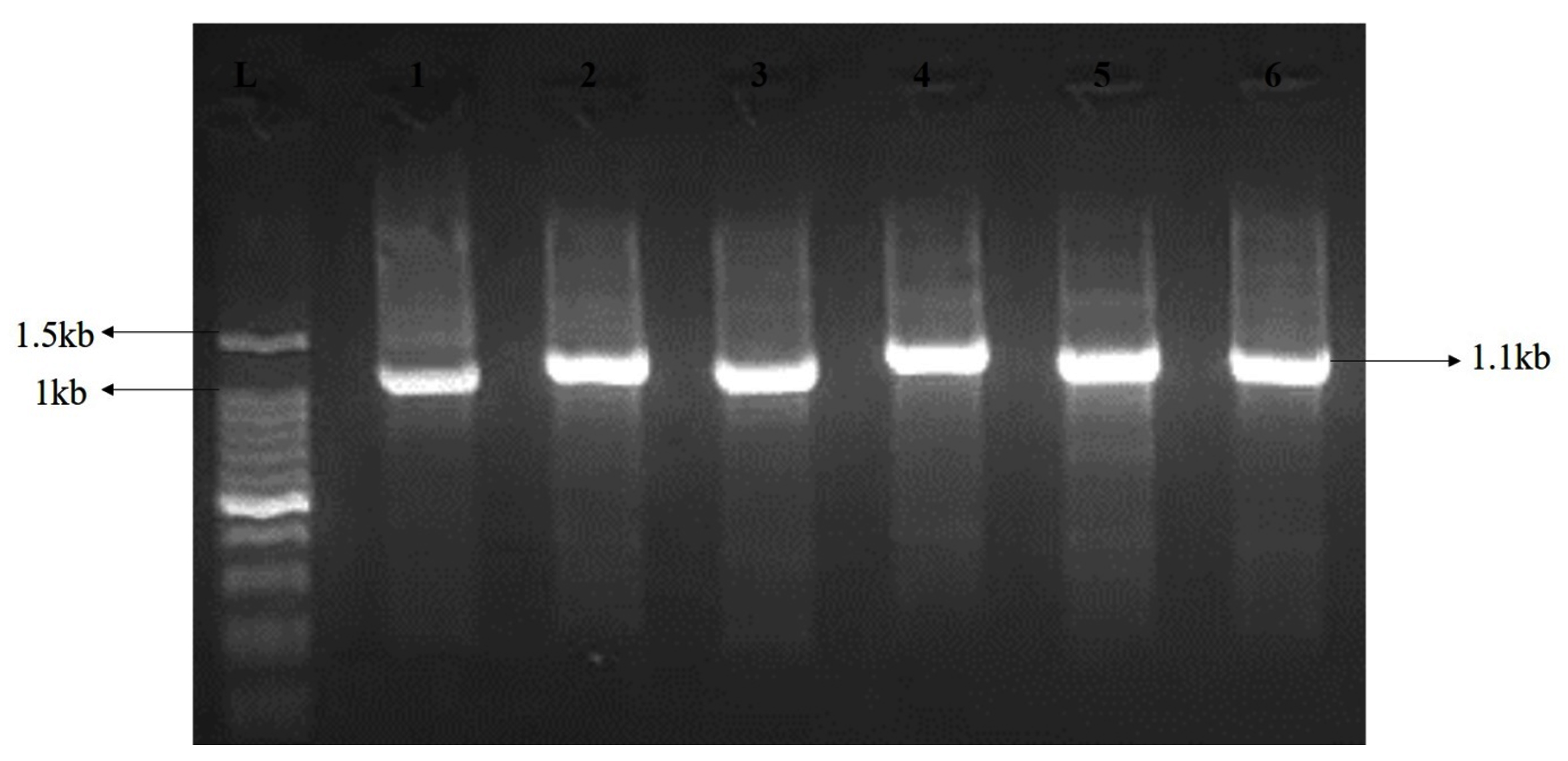
Figure 2. Amplified PCR products of phosphate solubilizing bacterial strains. L-100 bp DNA ladder, Lane1- Shouchella clausii, Lane 2 – Priestia megaterium, Lane 3 – Bacillus sp., Lane 4 – Pseudomonas sp., Lane 5 – Bacillus sp. and Lane 6 – Priestia megaterium strain
Table 7. Identification and nomenclature of PSB based on 16S rRNA gene sequences
Bacterial Id |
Strain name |
Accession number |
|---|---|---|
LS3 |
Priestia megaterium strain PB-Sa-A2 |
MN385621.1 |
LS9 |
Pseudomonas sp. strain DKF |
MH282435.1 |
LS11 |
Shouchella clausii strain BRM043935 |
MH305350.1 |
LS12 |
Priestia megaterium strain G1-1-1 |
MT509873.1 |
LS13 |
Bacillus sp. (in: firmicutes) strain GS4 |
PP908355.1 |
LS19 |
Bacillus sp. (in: Bacteria) strain R31 |
KX618339.1 |
Key findings revealed that PSBs belonged to four different genera. The two bacterial isolates LS3 and LS12 exhibited a high similarity with Priestia megaterium (99.8%-100%). Bacterial isolates LS13 and LS19 belong to the genus Bacillus sp. and demonstrate significant similarity of 99.64%-100%. The remaining two isolates, LS11 and LS9, showed high similarity with the genera Shouchella clausii (99.31%) and Pseudomonas sp. (99.84%), respectively. A Neighbour Joining (NJ) phylogenetic tree was constructed using MEGA11, and bootstrap analysis with 1000 replicates to study the phylogenetic relationship of PSBs. As shown in Figure 3. The tree features bacterial strains with a bootstrap value of ³80, which helps elucidate the relationships between the various strains. Only the values surpassing this threshold are included, emphasizing the most significant branches of the tree. Pseudomonas sp. strain DKF were considered as the outgroup in this phylogenetic tree.
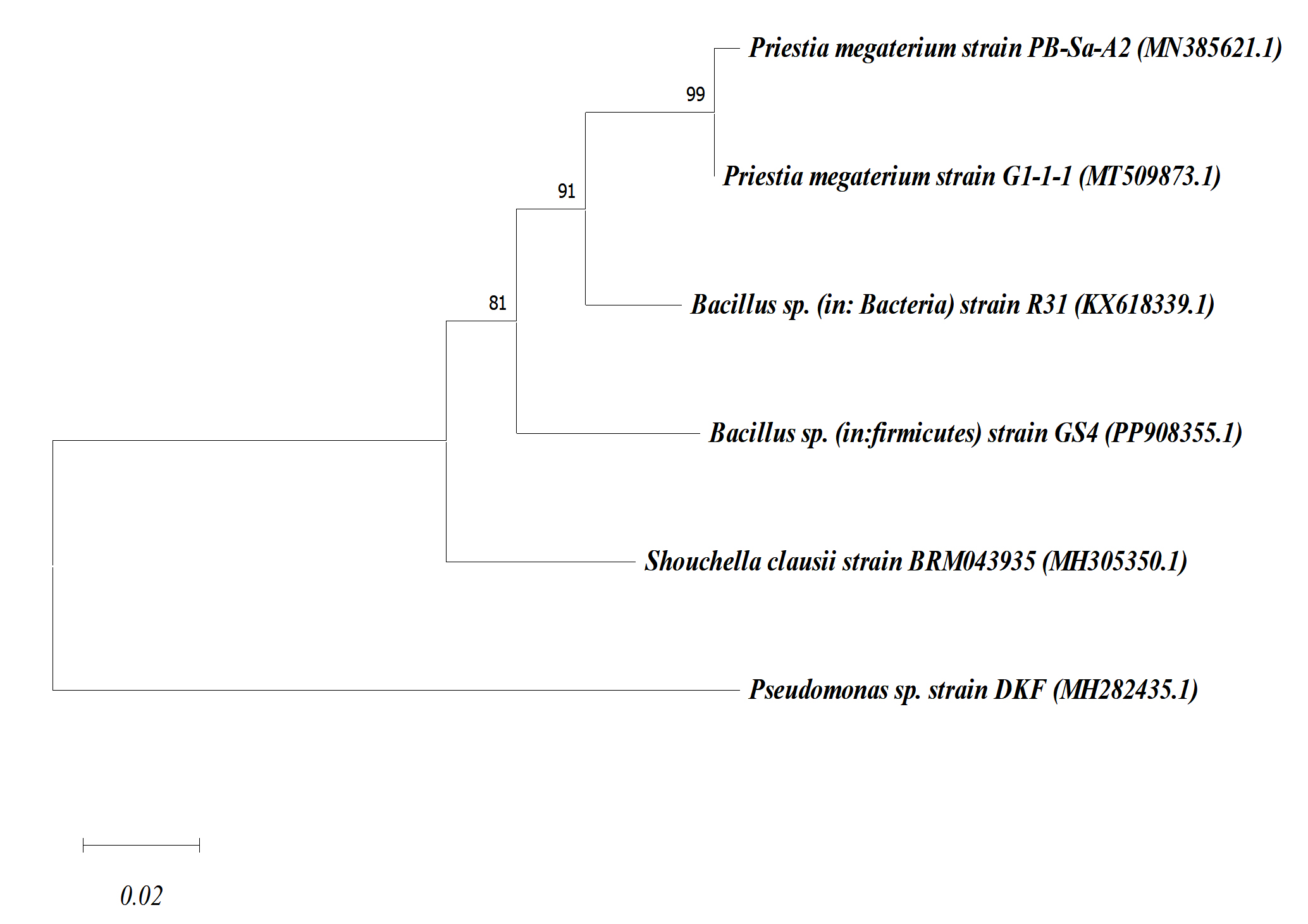
Figure 3. Evolutionary relationships of phosphate solubilizing bacterial strains
Statistical analysis
Correlation analysis for quantitative evaluation of efficient phosphate solubilizers isolated from rhizosphere soils of Litchi chinensis was carried out. The results of the present study reveal a very strong positive relationship between the bacterial strains, with Pearson’s correlation coefficient ranging from +0.947 to +0.998, all highly significant at the 0.01 level. The P-value was less than 0.01 (P < .01) for strain LS3 and LS11, which showed high correlations with LS9 and LS13, respectively. Phosphate solubilization by bacterial strain LS11 also showed high correlation with bacterial strain LS13 with a Pearson’s correlation coefficient of +0.998 (Table 8). Phosphate solubilization efficiencies of the distinct bacterial strains were further examined using one-way analysis of variance (ANOVA). The statistical significance was examined using threshold P-value of less than 0.05 (P < .05). Descriptive statistics analysis was also carried out to better understand the data distribution. The mean phosphate solubilization value ranges from 161.472 (LS3) to 399.434 (LS19), as demonstrated in Table 9. Further analysis of data distribution exhibited predominantly negative skewness, revealing that the data were skewed to the left and indicated asymmetry toward the left side of the central point. It means most of the isolates in the study were effective in solubilizing the phosphate, but there was also presence of few isolates with a relatively low level of phosphate solubilization activity.
Table 8. Correlation analysis for Quantitative evaluation of efficient phosphate solubilizers isolated from rhizosphere soils of Litchi chinensis
| Control | LS3 | LS9 | LS11 | LS12 | LS13 | LS19 | ||
|---|---|---|---|---|---|---|---|---|
| Control | Pearson Correlation | 1 | -0.572 | -0.559 | -0.585 | -0.529 | -0.588 | -0.558 |
| Sig. (2-tailed) | 0.139 | 0.150 | 0.128 | 0.178 | 0.125 | 0.150 | ||
| N | 8 | 8 | 8 | 8 | 8 | 8 | 8 | |
| LS3 | Pearson Correlation | -0.572 | 1 | 0.991** | 0.957** | 0.989** | 0.958** | 0.984** |
| Sig. (2-tailed) | 0.139 | 0.000 | 0.000 | 0.000 | 0.000 | 0.000 | ||
| N | 8 | 8 | 8 | 8 | 8 | 8 | 8 | |
| LS9 | Pearson Correlation | -0.559 | 0.991** | 1 | 0.982** | 0.986** | 0.981** | 0.983** |
| Sig. (2-tailed) | 0.150 | 0.000 | 0.000 | 0.000 | 0.000 | 0.000 | ||
| N | 8 | 8 | 8 | 8 | 8 | 8 | 8 | |
| LS11 | Pearson Correlation | -0.585 | 0.957** | 0.982** | 1 | 0.949** | 0.998** | 0.965** |
| Sig. (2-tailed) | 0.128 | 0.000 | 0.000 | 0.000 | 0.000 | 0.000 | ||
| N | 8 | 8 | 8 | 8 | 8 | 8 | 8 | |
| LS12 | Pearson Correlation | -0.529 | 0.989** | 0.986** | 0.949** | 1 | 0.947** | 0.974** |
| Sig. (2-tailed) | 0.178 | 0.000 | 0.000 | 0.000 | 0.000 | 0.000 | ||
| N | 8 | 8 | 8 | 8 | 8 | 8 | 8 | |
| LS13 | Pearson Correlation | -0.588 | 0.958** | 981** | 0.998** | 0.947** | 1 | 0.969** |
| Sig. (2-tailed) | 0.125 | 0.000 | 0.000 | 0.000 | 0.000 | 0.000 | ||
| N | 8 | 8 | 8 | 8 | 8 | 8 | 8 | |
| LS19 | Pearson Correlation | -0.558 | 0.984** | 0.983** | 0.965** | 0.974** | 0.969** | 1 |
| Sig. (2-tailed) | 0.150 | 0.000 | 0.000 | 0.000 | 0.000 | 0.000 | ||
| N | 8 | 8 | 8 | 8 | 8 | 8 | 8 |
**Correlation is significant at the 0.01 level (2-tailed)
Table 9. Descriptive analysis for quantitative evaluation of efficient phosphate solubilizers isolated from rhizosphere soils of Litchi chinensis in PVK broth
Strain Id |
Mean |
Median |
Minimum |
Maximum |
Interquartile range |
Skewness |
Kurtosis |
Variance |
Standard deviation |
|---|---|---|---|---|---|---|---|---|---|
Control |
6.357 |
6.363 |
6.189 |
6.578 |
0.1523 |
0.648 |
0.826 |
0.014 |
0.120 |
LS3 |
161.472 |
183.580 |
6.189 |
301.783 |
238.802 |
-0.223 |
-2.064 |
14499.468 |
120.4137 |
LS9 |
334.765 |
332.509 |
6.363 |
646.452 |
495.931 |
-0.046 |
-1.917 |
62862.371 |
250.723 |
LS11 |
356.427 |
269.878 |
7.322 |
730.7461 |
588.659 |
0.287 |
-2.116 |
90240.683 |
300.401 |
LS12 |
220.496 |
246.560 |
6.799 |
359.401 |
269.660 |
-0.437 |
-1.565 |
19471.264 |
139.539 |
LS13 |
181.989 |
138.556 |
6.799 |
373.436 |
337.413 |
0.293 |
-2.190 |
26490.396 |
162.758 |
LS19 |
399.434 |
418.198 |
6.363 |
744.955 |
683.848 |
-0.071 |
-2.442 |
112942.288 |
336.068 |
PSBs help in growth of plants through the process of making unavailable phosphorus available to plants. Their effectiveness is significantly influenced by various soil parameters, like pH of the soil, total organic carbon, salinity of soil, contents of soil available phosphorus, nitrogen, and potassium. pH of soil serves as a key indicator of the structural characteristics of bacterial flora and is strongly associated with the diversity of soil microflora. Nicol et al.13 stated that the structure of bacterial flora varies across pH gradients in both acidic and neutral soils, influencing phosphorus solubilization processes. Acidic soil has low diversity and activity of microbes such as phosphorus and potassium solubilizing fungi or bacteria. On the contrary, neutral to slightly alkaline soils tend to have a more diverse and active bacterial community. The values of pH ranging from 6.0-8.0 are optimal for the growth of plants and the actions of microbes like PSBs and potassium solubilizing bacteria because the availability of nutrients at this pH is optimum.14 Optimum phosphorus availability is observed in soils that have a pH value between 6-7.5. This happens because, at pH levels above 7.5 or below 5.5, phosphorus become bound with calcium, iron, and aluminium, making it less accessible to plants. So, the role of PSB is important because it helps in breaking down insoluble phosphates in soluble form. In our study, pH measurements of tested samples were between 7.32 and 8.00 across different sites, indicating that phosphorus solubilizing bacterial growth is optimal at this pH level. In agriculture, soil salinity significantly impacts bacterial growth, crop yield and soil fertility. For optimal bacterial growth, an EC level between 0.2 dS m-1 and 2.0 dS m-1 is recommended. This range minimizes soil salinity stress and supports the availability of nutrients like P, K, etc. thereby promoting enhanced performance of PSBs and overall growth.15 Higher EC of soil indicates a greater concentration of salts, which can affect phosphate solubilizing activity, such as reduction in organic acids synthesis and possible alterations in soil pH caused by PSBs.16 The presence of high salt levels can intensify competition between cations like sodium and calcium for binding sites on soil particles, which may decrease the accessibility of phosphate for plant assimilation. Tested soil samples exhibited EC levels from 0.44-0.68 dS m-1, which means the soil samples had a good amount of phosphate solubilizing bacterial growth. An improvement in concentration of phosphorus could also be noted when there was an increase in concentration of soil organic carbon. An adequate amount of nitrogen and potassium in soil can improve the overall microbial health, leading to improvement in cycling of nutrient, including availability of phosphorus.
The variation in PSI observed for various bacterial strains could be the result of kinds and concentrations of polysaccharides or enzymes or organic acids secreted by each strain into the surrounding medium.17 Selvi et al.18 also noted that the variation in PSI for bacterial isolates, in the plate assay might be associated with the type and diffusion capacity of various organic acids released by these bacterial isolates. Su et al.19 suggested that the variations in pH reduction or increment across different time intervals for each strain of bacteria are due to the formation of organic acids or H+ dissociation from insoluble forms of phosphate or other mechanisms involved in phosphate solubilization. The greater the acidity of the medium conditions, the stronger the rate of insoluble phosphate solubilization. As the organic acid concentration increased during the incubation period, the pH decreased. This change in pH is found to be inversely related to the concentration of soluble phosphorus. Liang et al. 20 demonstrated that concentration of phosphorus in liquid media was found to increase gradually with respect to time in PVK medium, suggesting active phosphate solubilization by the microbial organisms. Studies have shown that the pH of the medium and sources of carbon, as well as nitrogen used, significantly influence the solubilization of phosphate efficiency primarily through the organic acid synthesized by PSBs.21
In this study, we observed that the phosphate-solubilization ability of different bacterial strains varied from 288-723.42 µg ml-1 after 15 days of incubation. These bacterial isolates are identified as Priestia megaterium, Bacillus sp., Shouchella clausii, and Pseudomonas sp. based on biochemical and molecular analysis. The results indicate that all six isolates are highly effective at phosphate solubilization, with the Shouchella clausii (LS11) reaching an activity of up to 723.42 µg ml-1. This strain demonstrates very high efficiency in phosphate solubilization, and it is probably reported for the first time. The obtained results are notably greater than the solubilization of phosphate abilities of bacteria isolated from stems, leaves, and roots of Chinese fir cultivated in liquid medium between 44.29-195.61 µg ml-1.22 Qiao et al.23 have shown that PSB obtained from rhizosphere soil of maize had phosphorus solubilizing efficiency of up to 487.67 µg ml-1 and suggested that solubilization ability of individual strain depends on their different metabolic and physiological characteristics. Ogut et al.24 observed that Acinetobacter sp. WR922 had great phosphate solubilizing potential, whereby 888 µg ml-1 of Ca3(PO4)2 was liberated in liquid media. Likewise, Pande et al.9 observed that Burkholderia cepacia can dissolve 305.49 ± 10 µg ml-1 of Ca3(PO4)2 by secreting various organic acids into the culture supernatant. Paul and Sinha25 recorded 219.64 µg ml-1 soluble phosphate production by Pseudomonas aeruginosa KUPSB12, following four days of incubation in the PVK broth. Incubation times for maximum phosphate solubilization vary among bacterial isolates, ranging from 3-15 days. Bacillus species are widely recognized for their ability to support plant growth by producing phytohormones like auxin, ethylene, etc. They also improve the accessibility of essential nutrients through siderophore mediated iron acquisition, and solubilization of phosphate.26 Various Bacillus species like B. subtilis, B. pumilus, B. velezensis, B. megaterium, B. polymyxa, etc. are known for their plant growth-promoting and phosphate-solubilizing capability. The mechanism behind this process relies on ability of Bacillus strains to utilize glucose dehydrogenase system as well as synthesis of organic acid for phosphate solubilization. Analysis of genomes of Bacillus genus has shown presence of several genes coding enzymes involved in dissolution of inorganic (gcd) and organic phosphorus sources (phoA, phoD, phy, etc.).27,28 Shouchella clausii which exhibits maximum phosphate solubilization in our results also performs multiple functional roles, such as production of enzymes namely glucanase (specific to β-1,3 linkages), α-amylase and alkaline protease, biosurfactant, as well as antioxidants. It is also capable of antibiotic degradation as well as antibiotic production. The Shouchella clausii is commonly found in different soil types, especially thriving more in alkaline environment.29
Phosphate solubilization in soil is a helpful process where organic phosphate is mineralized, and the inorganic phosphate is made soluble. Both processes turn insoluble phosphate compounds into forms that plants can readily absorb, giving them the nutrition they need to grow strong and healthy. PSBs employ various strategies to make phosphorus more accessible. They secrete enzymes like phosphatases, phytases, and lyases, which play vital roles in releasing soluble phosphorus in soil.30 Phosphate solubilization happens through the production of various substances like organic acids, inorganic acids, siderophores, exopolysaccharides, hydrogen sulfide (H2S), and ammonium ions (NH4+). These substances lower soil pH and facilitate phosphate solubilization. Bacteria produce low-molecular-weight organic acids that acidify the microenvironment and chelate metal cations attached to phosphate, thereby releasing soluble phosphorus in the soil.31 PSBs also produce inorganic acids such as carbonic acid, hydrochloric acid, sulfuric acid, nitrous acid, nitric acid, and sulfurous acid, which chelate cations or release H+ ions to dissolve mineral phosphates. PSBs produce siderophores that bind iron and other metals, which enhances phosphate availability by preventing the formation of metal-phosphate complexes. Additionally, exopolysaccharides released form biofilms and create microenvironments that encourage phosphate solubilization through interactions with soil.32 Many genes involved in phosphate solubility and transport are regulated by the pho (phosphate) regulon. Zhao et al.33 explained the phosphate solubilizing genes namely glpQ, phoA, phoD, phnA, ppx–gppA, phoR, etc. which are involved in phosphate ester and phosphonate mineralization, inorganic phosphorus dissolution, phosphorus starvation response regulation. The identification of additional genes responsible for phosphate solubilization and transport has been made possible through the combination of detailed bioinformatic analyses of the genomes and insightful transcriptomic studies.
Phosphorus is a crucial element for agricultural productivity. However, it often becomes fixed with complex cations, making it unavailable for plant absorption. To address this issue, the use of PSBs as biofertilizers is beneficial. PSBs contribute to the sustainable promotion of healthy plant growth. Extensive research on PSBs, has led to their integration into agricultural practices. This shift from research to practical application represents a significant advancement in sustainable agriculture, potentially enhancing crop yields while reducing environmental impacts. As awareness and demand for sustainable methods continue to grow, the use of PSBs is likely to become a fundamental aspect of modern agricultural strategies. In our study, we screened and assessed the efficacy of PSBs isolated from rhizosphere of Litchi chinensis, focusing on their high potential to solubilize phosphate. All strains Priestia megaterium, Bacillus sp., Shouchella clausii, and Pseudomonas proved their capability to solubilize phosphate in PVK medium that ranged between 288.44-723.42 µg ml-1 after 15 days of inoculation. After a comprehensive analysis of this research, we highly encourage the adoption of PSB strains that show great promise as microbial fertilizers in agriculture practices. For the purpose of fully harnessing the capabilities of these bacteria, further research is essential to investigate their interaction with minerals including their genetic mechanisms. Upcoming pioneering studies must highlight the role of microbial biotechnology within the agriculture sector to discover additional PSBs. This approach aims to develop effective microbial inoculants that enhance sustainable crop production systems under diverse environmental conditions. By identifying and leveraging a wider array of PSBs, we can improve nutrient cycling, reduce dependency on chemical fertilizers, and promote more resilient agricultural ecosystems. Such efforts are crucial to addressing the increasing global food demand while ensuring soil fertility and preserving ecological balance.
ACKNOWLEDGMENTS
The authors sincerely thank the Head, Department of Botany, and Vice-Chancellor, Mahatma Gandhi Central University, Motihari, Bihar, for their assistance and motivation. The author (Khushboo Kumari) is also thankful to UGC and MGCU for providing a non-NET fellowship.
CONFLICT OF INTEREST
The authors declare that there is no conflict of interest.
AUTHORS’ CONTRIBUTION
Both authors listed have made a substantial, direct and intellectual contribution to the work, and approved it for publication.
FUNDING
None.
DATA AVAILABILITY
All datasets generated or analyzed during this study are included in the manuscript.
ETHICS STATEMENT
Not applicable.
- Pan L, Cai B. Phosphate-solubilizing bacteria: Advances in their physiology, molecular mechanisms and microbial community effects. Microorganisms. 2023;11(12):2904.
Crossref - Johan PD, Ahmed OH, Omar L, Hasbullah NA. Phosphorus transformation in soils following co-application of charcoal and wood ash. J Agron. 2021;11(10):2010.
Crossref - Amarasinghe T, Madhusha C, Munaweera I, Kottegoda N. Review on mechanisms of phosphate solubilization in rock phosphate fertilizer. Commun Soil Sci Plant Anal. 2022;53(8):944-960.
Crossref - Vance CP. Symbiotic nitrogen fixation and phosphorus acquisition. Plant nutrition in a world of declining renewable resources. J Plant Physiol. 2001;127(2): 390-397.
Crossref - Kumari K, Tanaya K, Singh, D. Enhancing soil fertility and nutrient cycling: Myco-fertilizer. Mycol Invent Sustain Agric Food Prod. 2025:131-150.
Crossref - Zhu Y, Xing Y, Li Y, Jia J, Ying Y, Shi W. The role of phosphate-solubilizing microbial interactions in phosphorus activation and utilization in plant-soil systems: A review. Plants. 2024;13(19):2686.
Crossref - Walkley A, Black IA. An examination of the method for determining soil organic matter, and proposed modification of the chromic acid titration method. Soil Sci. 1934;37(1):29-38.
Crossref - Olsen SR, Cole CV, Watanabe FS, Dean LA. Estimation of Available Phosphorus in Soils by Extraction With Sodium Bicarbonate. USDA Circular 939. US Department of Agriculture; 1954:1-19.
- Pande A, Pandey P, Mehra S, Singh M, Kaushik S. Phenotypic and genotypic characterization of phosphate solubilizing bacteria and their efficiency on the growth of maize.J Genet Eng Biotechnol. 2017;15(2):379-391.
Crossref - Surange S, Wollum II AG, Kumar N, Nautiyal CS. Characterization of Rhizobium from root nodules of leguminous trees growing in alkaline soils. Can J Microbiol. 1997;43(9):891-894.
Crossref - Watanabe FS, Olsen SR. Test of an ascorbic acid method for determining phosphorus in water and NaHCO3 extracts from soil. Soil Sci Soc Am J. 1965;29(6):677-678.
Crossref - Holt JG, Krieg NR, Sneath HA, Staley JT, Williams ST. Bergey’s manual of determinate bacteriology, 9th Ed. Williams and Wilkins, Baltimore, USA. 1994.
- Nicol GW, Leininger S, Schleper C, Prosser JI. The influence of soil pH on the diversity, abundance and transcriptional activity of ammonia oxidizing archaea and bacteria. Environ Microbiol. 2008;10(11):2966-2978.
Crossref - Lauchli A, Grattan SR. Plant stress under non-optimal soil pH. In: Shabala S, 2nd eds. Plant stress physiology, Wallingford UK: CABI, 2017;201-216.
Crossref - Patel HK, Vyas RV, Shelat HN. Selective enrichment method for isolation of efficient phosphate solubilizing bacteria from soil. Commun Soil Sci Plant Anal. 2022;53(12):1532-1541.
Crossref - Vignesh D, Senthilvalavan P, Manivannan R, Ravikumar C. Effect of different phosphorus sources applied with phosphate solubilizing bacteria on bio-geochemical properties and phosphorus release pattern in vertisol. J Appl Nat Sci. 2021;13(2):715-722.
Crossref - Amri M, Rjeibi MR, Gatrouni M, et al. Isolation, identification, and characterization of phosphate-solubilizing bacteria from Tunisian soils. Microorganisms. 2023;11(3): 783.
Crossref - Selvi KB, Paul JJ, Vijaya V, Saraswathi K. Analyzing the efficacy of phosphate solubilizing microorganisms by enrichment culture techniques. Biochem Mol Biol. 2017;3(1):1-7.
Crossref - Su M, Han F, Wu Y, et al. Effects of phosphate-solubilizing bacteria on phosphorous release and sorption on montmorillonite. Appl Clay Sci. 2019;181:105227.
Crossref - Liang Y, Xu Z, Xu Q, Zhao X, Niu S, Yin X. Isolation of inorganic phosphorus-solubilizing bacteria from the rhizosphere of Festuca arundinacea Schreb. Geomicrobiol J. 2023;40(6):538-546.
Crossref - Scervino JM, Papinutti VL, Godoy MS, et al. Medium pH, carbon and nitrogen concentrations modulate the phosphate solubilization efficiency of Penicillium purpurogenum through organic acid production. J Appl Microbiol. 2011;110(5):1215-23.
Crossref - Chen J, Zhao G, Wei Y, Dong Y, Hou L, Jiao R. Isolation and screening of multifunctional phosphate solubilizing bacteria and its growth-promoting effect on Chinese fir seedlings. Sci Rep. 2021;11(1):9081.
Crossref - Qiao CC, Tian Tian W, Wang RF, Liu C, Gao Q, Li R, Shen QR. Screening phosphate solubilizing bacterial strains from maize rhizosphere and research on their plant growth promotion effect. J Nanjing Agric Univ. 2017;40(4):664-670.
- Ogut M, Er F, Kandemir N. Phosphate solubilization potentials of soil Acinetobacter strains. Biol Fertil Soils. 2010;46:707-15.
Crossref - Paul D, Sinha SN. Isolation and characterization of phosphate solubilizing bacterium Pseudomonas aeruginosa KUPSB12 with antibacterial potential from river Ganga, India. J Ann Agrar Sci. 2017;15(1):130-6.
Crossref - Harirchi S, Sar T, Ramezani M, et al. Bacillales: from taxonomy to biotechnological and industrial perspectives. Microorganisms 2022;10(12):2355.
Crossref - Wang C, Pan G, Lu X, Qi W. Phosphorus solubilizing microorganisms: potential promoters of agricultural and environmental engineering. Front Bioeng Biotechnol. 2023;11:1181078.
Crossref - Etesami H, Jeong BR, Glick BR. Potential use of Bacillus spp. as an effective biostimulant against abiotic stresses in crops—A review. Curr Res Biotechnol. 2023;5:100128.
Crossref - Shi H, Liu G, Chen Q. Comparative Genomics and In Vitro Experiments Provide Insight into the Adaptation and Probiotic Properties of Shouchella clausii. Microorganisms 2024;12(11):2143.
Crossref - Kumari K, Ahmed S, Tanaya K, Singh D. Rhizosphere phosphate-solubilizing bacteria: a natural solution for soil fertility and plant nutrition. Arab Gulf J Sci Res. 2026;44(1):2-16.
Crossref - Rodriguez H, Fraga R, Gonzalez T, Bashan Y. Genetics of phosphate solubilization and its potential applications for improving plant growth-promoting bacteria. Plant and soil. 2006;287:15-21.
Crossref - Rawat P, Das S, Shankhdhar D, Shankhdhar SC. Phosphate-solubilizing microorganisms: Mechanism and their role in phosphate solubilization and uptake. J Soil Sci Plant Nutr. 2021;21(1), 49-68.
Crossref - Zhao W, Peng T, Cao H, Huang H, Yu S. Screening of two efficient phosphorus-solubilizing bacteria, strain X42 (Bacillus_A_bombysepticus) and strain G62 (Bacillus velezensis) for their ability to promote Gan Nan navel orange growth. Ann Microbiol. 2025;75(1):1-5.
Crossref
© The Author(s) 2026. Open Access. This article is distributed under the terms of the Creative Commons Attribution 4.0 International License which permits unrestricted use, sharing, distribution, and reproduction in any medium, provided you give appropriate credit to the original author(s) and the source, provide a link to the Creative Commons license, and indicate if changes were made.