


 , S. Kanimozhi2 and Sumathy Arockiasamy1
 The biosurfactant-producing bacteria obtained from oil polluted soils have attracted significant attention due to their ability to enhance the bioavailability of hydrocarbons and to facilitate the remediation of contaminated environments. Several investigations have reported the presence and applications of these microorganisms. However, an overall assessment of their ecological diversity, screening approaches and environmental performance seems limited. The present review critically discusses the diversity of biosurfactant producing bacteria isolated from oil contaminated soils and their functional roles in hydrocarbon degradation and environmental restoration. Special emphasis is placed on the comparative evaluation of commonly employed screening and characterization methods such as drop-collapse, oil-spreading, CTAB agar, emulsification index, microplate and bacterial adhesion to hydrocarbons (BATH) assays. The advantages, limitations and methodological inconsistencies with these techniques in relation to the reliable identification of highly effective bacterial isolates are discussed. This paper reviews recent developments in the application of biosurfactant-producing bacteria for the degradation of petroleum hydrocarbons with a focus on the factors that affect their performance in field conditions. This review encompasses microbial diversity, methodological challenges, and application outcomes, identifying critical knowledge gaps and future priorities for standardization of screening approaches and the development of effective bioremediation strategies. The analysis presented here offers a framework to enhance the utilization of biosurfactant-producing bacteria isolated from oil-polluted soils as sustainable agents for the restoration of the ecosystem.
Biosurfactants, Glycolipids, Lipopeptides, Surface Tension Reduction, Emulsification, Bioremediation, Enhanced Oil Recovery
Biosurfactants are surface-active agents produced by microorganisms, which reduce surface and interfacial tension. They are composed of different molecular structures such as glycolipids, lipopeptides, phospholipids, and polymeric surfactants, which make them have unique physicochemical properties. Unlike synthetic surfactants, biosurfactants are biodegradable, non-toxic, and environmentally friendly and hence work well in extreme environmental conditions, which make them very appropriate for industrial and environmental applications.1 It has become possible nowadays to measure or identify organic chemical pollutants in soil and groundwater at levels as low as parts per billion because of advancements in detection techniques.2 This is especially crucial because the contamination of numerous locations has been caused by careless material dumping, closed and bankrupt manufacturing operations, and inadequate techniques for waste storage, treatment, and disposal facilities. Organic aqueous waste (pesticides), organic liquids (dry cleaning solvents), oils (lubricating, automotive, hydraulic, and fuel oils), and biological solid matter such as painting operations, tars from dyestuffs intermediates which are the main categories of organic chemical waste. The quantity of organic chemical waste created by manufacturing facilities often corresponds with the quantity of chemicals produced.3
The majority of soil contamination results from unintentional spills and leaks, equipment cleaning, residues left in old containers, and obsolete materials. Inadequately managed landfills, auto repair shops, maintenance shops, and photo film processors are examples of smaller producers of chemical pollutants. According to LaGrega et al.,4 home wastes such as paint, pesticides, household cleansers, and automobile goods can also be a major source of organic compounds. The more prevalent heavy metals (HMs), which include lead (Pb), cadmium (Cd), copper (Cu), chromium (Cr), nickel (Ni), iron (Fe), mercury (Hg), and zinc (Zn), are linked to human activities including landfill dumping and the creation of chemical waste leachates and sludges. Microbial biosurfactants are becoming increasing popular for a number of reasons. Biosurfactants are biodegradable and comparatively harmless, they are seen as environmentally “friendly”. In addition, the distinctive architectures of biosurfactants are only now beginning to be recognized for their potential use in a wide range of industries, from environmental remediation to biotechnology.5
Microbial biosurfactants are gaining increasing attention due to their biodegradable nature and relatively low toxicity, which make them environmentally friendly alternatives to synthetic surfactants. In addition, their unique structural diversity is being increasingly recognized for potential applications across a wide range of industries, including environmental remediation and biotechnology.6 Microorganisms, especially bacteria, are major producers of biosurfactants. Some of the most notable ones are: Pseudomonas aeruginosa, Bacillus subtilis, and Rhodococcus erythropolis. Each biosurfactant produced by these species exhibits unique chemical characteristics. For example, Pseudomonas aeruginosa produces rhamnolipids, highly studied for their strong ability to emulsify, while Bacillus subtilis produces lipopeptides such as surfactin, which exhibits high surface activity and antibacterial effects.7 The production process is often influenced by substrate availability, pH, and temperature, which researchers optimize to enhance yield and reduce production costs.8
Biosurfactants have an extensive range of applications in different industries. In pharmaceuticals, they act as antimicrobial agents and drug delivery agents.9 In food industries, they are emulsifiers and preservatives.10 They also have the potential to use them in enhanced oil recovery, agriculture, and cosmetics since they can stabilize emulsions and even improve material interactions.11 Environmental remediation will be one of the most important applications of biosurfactants. In cleaning up oil spills, heavy metals, and organic contaminants, emulsification of hydrophobic pollutants increases their bioavailability and enhances biodegradation, making it a sustainable alternative to chemical surfactants.12,13 Rhamnolipids and sophorolipids are excellent emulsifiers of oil slicks, which enhance microbial degradation. This characteristic has been exploited in bioremediation approaches for oil-polluted aquatic and terrestrial ecosystems.14
Biosurfactants chelate heavy metals such as cadmium, lead, and mercury, which helps in their removal from contaminated soils and water. Sophorolipids and surfactin are particularly useful in such applications.15 Solubilizing the hydrophobic compounds like polycyclic aromatic hydrocarbons (PAHs) in the presence of biosurfactants increases the rates of degradation of these long lasting persistent organic pollutants. Species belonging to Pseudomonas have been widely applied in this area.16 Biosurfactants enhance the soil washing of hydrocarbon-polluted soils by desorption of pollutants, regenerating soil quality.17 Due to biosurfactants’ biodegradability and negligible toxicity, they are an ideal option for the implementation of sustainable remediation practices. Nevertheless, high costs are hindering their commercial-scale production. Future research involves the utilization of low-cost substrates and genetic engineering of microbial strains and the development of scaled-up production techniques for improving their economic feasibility.11
Biosurfactants: Properties and microbial sources
Biosurfactants are amphiphilic compounds produced by microorganisms that reduce surface and interfacial tension in aqueous systems. Structurally, they consist of hydrophilic and hydrophobic moieties, allowing them to interact with both polar and non-polar substances. Biosurfactants have garnered attention due to their eco-friendly nature and functional properties, outperforming many synthetic surfactants.18 Biosurfactants have advantages over their synthetic counterparts. They are biodegradable. Thus, there is minimum persistence and toxicity to the environment. Their production uses renewable resources. Hence, it’s a sustainable process, also saving costs in the long term. Moreover, biosurfactants have the potential for stability at extreme conditions such as high salinity, pH, and temperature differences. Therefore, it can be used extensively industry wide.19
Properties of biosurfactants
Surface and interfacial activity
Biosurfactants are effective in surface and interfacial tension decrease, which enhances emulsification and solubilization of hydrophobic compounds.20
Temperature and pH tolerance
Due to the fact that most chemical surfactants require specific pH (acidic or basic) and high temperature conditions for functionality, it makes biosurfactants more compatible with industrial applications.21
Biodegradability and low toxicity
Since they are of biotic origin, they hold low toxicity to humans as well as wildlife.22
Anti-adhesive properties
Biosurfactants inhibit microbial adhesion onto surfaces. They have potential utility in controlling biofilm in medical and industrial applications.23
Table. Biosurfactant-producing microorganisms, their type and applications
| No. | Biosurfactant Type | Examples | Microorganism | Properties/Applications | Ref. |
|---|---|---|---|---|---|
| 1. | Glycolipids | Rhamnolipids | Pseudomonas aeruginosa | Hydrocarbon degradation, oil recovery | 27 |
| Sophorolipids | Candida bombicola | Cosmetic and food industries | 28,29 | ||
| 2. | Lipopeptides and Lipoproteins | Surfactin | Bacillus subtilis | Antimicrobial, surface-active | 30 |
| 3. | Polymeric Biosurfactants | Trehalose Lipids | Rhodococcus erythropolis | Emulsify hydrophobic pollutants, bioremediation | 31 |
| 4. | Polymeric Biosurfactants | EPS (Extracellular
Polymeric Substances) |
Cyanobacteria | Bioremediation, environmental applications | 32 |
| 5. | Polymeric Biosurfactants | Emulsan | Various bacterial species | Stabilizing oil-water emulsions | 23 |
| 6. | Particulate Biosurfactants | Cell wall-derived biosurfactants | Various bacterial species | Environmental remediation | 9 |
Biosurfactant-producing microorganisms
There are many microorganisms that produce biosurfactants, with each species of different class, having different efficiency and type of biosurfactant. They are enumerated here in Table. Biosurfactants are naturally occurring surface-active compounds produced by various bacterial species. These bacteria are found in different environments, such as soil, water, and hydrocarbon-contaminated sites, where biosurfactants help in processes like nutrient uptake, surface colonization, and hydrocarbon degradation. The key bacterial species known for their biosurfactant production capabilities, highlighting their unique properties and industrial applications are being discussed as follows:
Bacillus species
Bacillus species are among the most extensively researched biosurfactant-producing microorganisms because of their strong growth and their capacity to secrete potent lipopeptides. Among these, Bacillus subtilis and Bacillus licheniformis are the most notable examples. These bacteria produce surfactin, a cyclic lipopeptide that is highly potent for surface tension reduction, exhibits antimicrobial activity, and can emulsify.12 Surfactin is very important for applications in agriculture, bioremediation, and pharmaceutical industries. It acts as an antifungal and antibacterial agent. Moreover, biosurfactants produced by Bacillus show stability against extreme pH and temperature, making them favorable for industrial applications.24
Pseudomonas species
Rhamnolipids produced by Pseudomonas aeruginosa are glycolipids that find a variety of applications in environmental remediation, cosmetics, and oil recovery. Rhamnolipids are particularly efficient in improving hydrocarbon bioavailability, thus being recommended for the treatment of oil spills and contaminated soil.25 The resistance of species from the Pseudomonas genus towards high concentrations of hydrocarbons makes them excellent strains for in situ biosurfactant production. Biosurfactants produced by this genus are low in toxicity and high biodegradability, making them suitable for current sustainable industrial applications.26
Acinetobacter species
Acinetobacter calcoaceticus produces a range of biosurfactants, including emulsan, a polymeric biosurfactant known for stabilizing oil-in-water emulsions.33 Emulsan is extensively used in bioremediation and the petrochemical industry for cleaning and recovering oil from surfaces. The ability of Acinetobacter species to metabolize hydrocarbons further underscores their potential in managing oil pollution.34
Serratia species
Serratia marcescens produces biosurfactants with great potential applications in agriculture and biomedicine. Biosurfactants such as serratamolides from this organism exhibit antifungal and antibacterial activity, making it an excellent agent to combat plant pathogens.35 The species Serratia has a good contribution in the process of bioremediation. Its biosurfactant promotes the degradation of hydrophobic pollutants.36
Rhodococcus species
Rhodococcus erythropolis is one of the most important biosurfactant-producing microorganisms, producing trehalose lipids, which are very effective in emulsification and solubilization of hydrophobic compounds. These biosurfactants are of particular interest in the biodegradation of hydrocarbons, making Rhodococcus species very useful in treating oil-contaminated environments.37 Trehalose lipids are also useful in the cosmetic and pharmaceutical industries because they are mild and skin-friendly.
Halomonas species
Halomonads like Halomonas boliviensis are known to grow in salty environments and produce biosurfactants that are tolerant of high salinity. Biosurfactants produced by these bacteria have potential applications in saline and hypersaline environments such as oil recovery from saltwater reservoirs. They also have a wide applicability in industrial processes where they can survive extreme conditions including the treatment of wastewater.38,39
Myroides species
Myroides odoratimimus is a lesser-known biosurfactant producer but has shown promising potential. It produces surface-active agents that aid in hydrocarbon solubilization and environmental remediation. Although less extensively studied than other species, emerging research indicates its potential applications in sustainable biotechnology.40 Hydrocarbon-degrading species, Pseudomonas and Rhodococcus, facilitate biodegradation, thereby reducing pollution. Biosurfactants produced by Serratia and Bacillus species offer protection to crops against pathogenic fungi and bacteria. Lipopeptides and glycolipids are antibacterial and antiadhesive and have applications in wound healing and drug delivery. Acinetobacter and Halomonas species enhance oil recovery and surface cleaning in oil wells and pipelines.41
Isolation and screening approaches for biosurfactant producing bacteria
Sampling strategies for isolation of biosurfactant producing bacteria
Soil sample collection is an important step toward isolating biosurfactant-producing bacteria, since soil microflora influences the possibility of finding strong biosurfactant-producing strains. Samples are usually isolated from organic matter-rich sites or hydrocarbon-polluted environments, such as those with oil contamination, farmland, or forest soils.42 Samples are taken at 5-10 cm depth, using sterile tools to prevent contamination. About 200-500 grams of soil are obtained per site and kept in sterile polyethylene bags. Samples are taken cold to the laboratory for preserving viability. Soil samples are first homogenized, and larger debris such as stones or plant material is removed prior to processing. To isolate biosurfactant-producing bacteria, soil suspensions are prepared by mixing 10 grams of soil with 90 mL of sterile distilled water or saline solution. The suspension is vigorously shaken and serially diluted to reduce microbial density. Aliquots of diluted suspensions are used for culturing bacteria on selective media.43
Culture media and nutritional requirements for biosurfactant production
Selecting a suitable culture medium is of high importance to support the growth of biosurfactant-producing bacteria. MSM, mineral salt medium, is a commonly utilized medium for this purpose because it has all the required nutrients to promote microbial growth. The carbon source in the case of biosurfactant production usually used is hydrocarbons. This may be kerosene, diesel, or even crude oil. Preparation of Mineral Salt Medium is done by dissolving the following components in distilled water (per liter): Sodium chloride (NaCl) of 1 g; Potassium dihydrogen phosphate (KH2PO4) of 1 g; Dipotassium hydrogen phosphate (K2HPO4) of 1 g; Magnesium sulfate (MgSO4·7H‚ O) of 0.2 g; Ammonium nitrate (NH4NO3) of 1 g. The pH is set to 7.0 by adding 1 M HCl or NaOH. After autoclaving at 121 °C for 15 minutes, the medium is cooled down, and a sterile carbon source is added at a concentration of 1%-2% (v/v). In the case of selective isolation, antibiotics can be added to suppress the growth of other microbes than the target ones.44,45
Enrichment, isolation and screening techniques
Isolation of biosurfactant-producing bacteria from soil samples is the fundamental step in the screening and identification of new commercial biosurfactants. A systematic methodology for this process can be divided into several key steps: First of all, 1:10 dilutions of the soil suspensions are grown on MSM agar enriched with a hydrocarbon substrate like diesel or kerosene as the only carbon source.46 The plates further incubated at temperature ranging between 30-37 °C for 48-72 hours. The given incubation period helps in development of many different microcolonies on the surface of the agar plates. After the first stages of the growth phase, colonies that have emerged on the hydrocarbon-rich medium are transferred to liquid MSM, additionally fortified with the same carbon source. This enrichment culture is maintained under continuous shaking since the increased amount of oxygen is used when increasing the biosynthesis of surfactants. Several methods of screening are used to isolate bacteria that produce biosurfactants. Oil displacement test, drop collapse test, and calculating the emulsification index (E24) are the techniques used. In the oil displacement test, a droplet of the bacterial supernatant is applied on the oil/water interface and a larger spread area portrays greater biosurfactant synthesis.47
Once biosurfactant producing bacteria have been spotted, these isolates will be plated onto new MSM agar plates for the isolation of pure cultures. These isolates are then cultured in Luria-Bertani Broth at 37 °C for approximately 16 hours and stored at -80 °C in glycerol stocks for future characterization. Last of all, based on the obtained results of biosurfactants activities, the chosen isolates are streaked on slants and grown in liquid MSM, biosurfactants are then extracted and estimated qualitatively and quantitatively. This may be surface tension measurements or critical micelle concentration. Essentially, the optimization of selective media, enrichment procedures, and screening methods allows obtaining isolate agar that produce fully inoculated from different samples of soil.48 This method not only facilitates researchers to select strains with high biosurfactant yields but also select strains with biosurfactants having favorable properties according to their intended uses.
The characterization of bacteria is important for identifying their functional traits and, therefore, their potential applications. For biosurfactant-producing bacteria, characterization provides insights about their surfactant-producing capabilities, structural properties, and potential industrial or environmental uses. Characterization is done by biochemical, molecular, and physiological techniques that determine the presence and activity of biosurfactants. Key assays used for characterization include Drop Collapse Assay, Oil Spreading Assay, CTAB Agar Assay, Emulsification Assay, Microplate Assay, Emulsification Index, and BATH Assay.49
Mechanism of action of biosurfactants
Biosurfactants are surface-active compounds produced by microorganisms. These molecules are essential for lowering surface and interfacial tension, thus allowing emulsification of hydrocarbons and other hydrophobic substances. Due to their biodegradability and efficiency, biosurfactants have gained immense attention for environmental, healthcare, and industrial applications. Various microorganisms such as bacteria, fungi, actinomycetes, and algae produce biosurfactants, each with different efficiency and applications. They represent among the most prolific biosurfactant producers.50 The glycolipid-based rhamnolipids produced by Pseudomonas aeruginosa are especially noteworthy. These compounds are of paramount importance in hydrocarbon biodegradation and in applications related to enhanced oil recovery. Biosurfactants reduce surface tension and lead to better interaction between oil droplets and water (Figure 1). Examples of lipopeptides based on surfactin in Bacillus subtilis can bind effectively to lipid bilayers in microbial membranes, enhancing microbial cell permeability while impairing microbial membrane functions-this classifies it as a potent antimicrobial agent.30
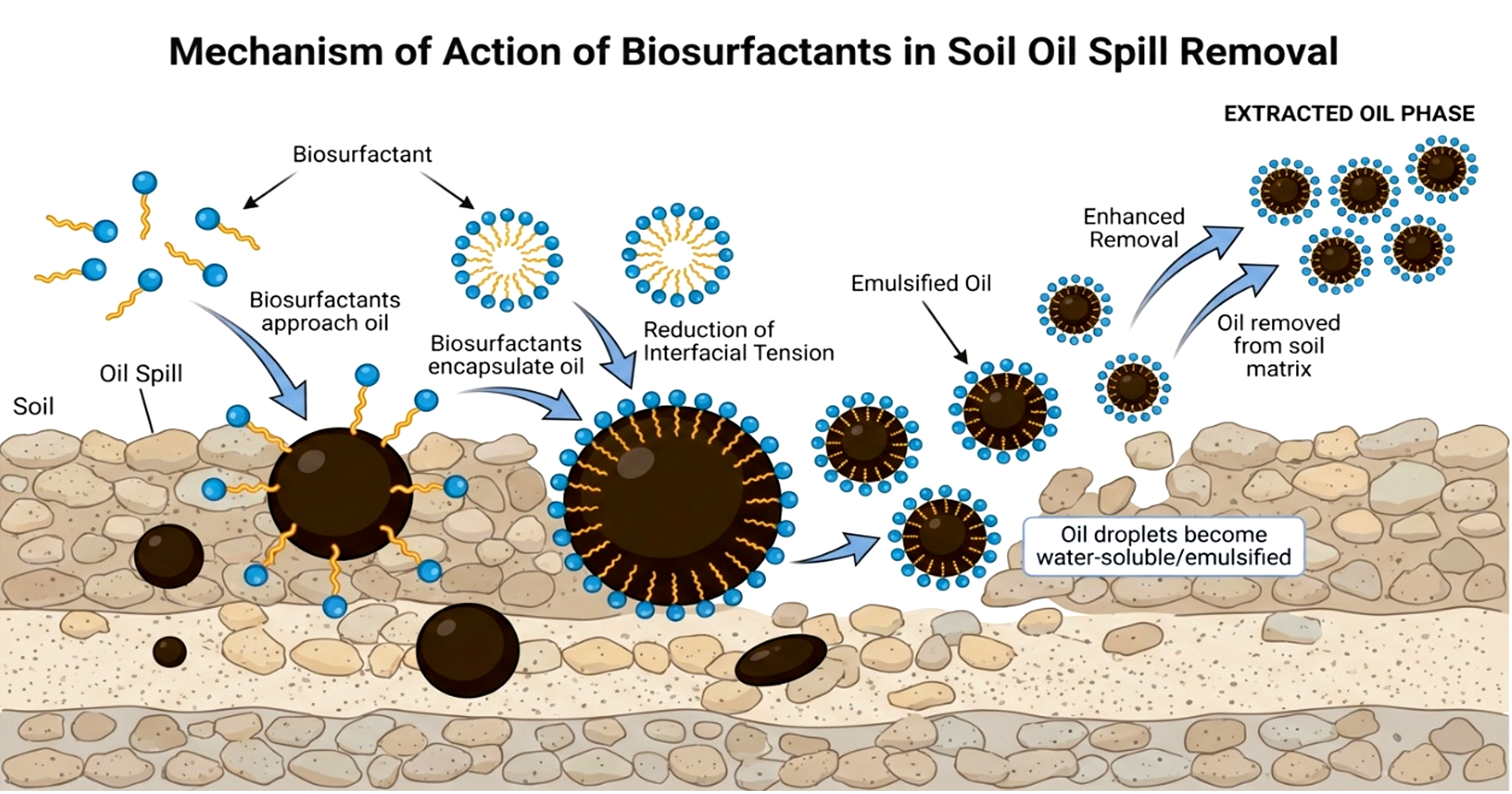
Figure 1. Illustration of the Mechanism of Action of Biosurfactants
Fungi also contribute significantly to biosurfactant production. Candida bombicola and Yarrowia lipolytica are known for producing sophorolipids, a class of glycolipids widely used in cosmetics and the food industry. Sophorolipids are biodegradable, environmentally friendly, and possess excellent emulsifying properties. They reduce interfacial tension by forming micelles, which stabilize oil-water emulsions. In addition to fungi, actinomycetes like Rhodococcus erythropolis produce trehalose lipids, which are highly effective in emulsifying hydrophobic pollutants.37 These polymeric biosurfactants form a stable layer around oil droplets, preventing coalescence and aiding in long-term emulsion stability.
Extracellular polymeric substances, biosurfactant-like properties from cyanobacteria, which belong to algae, can stabilize oil-water emulsions through the action of emulsan, a type of polymeric biosurfactant produced by various species of bacteria, particularly helpful in petroleum industries.51 Biosurfactants produced in bacterial cell walls are particulate. These are less commonly observed but are effective in the remediation of soil and pollutant sequestration. Biosurfactants are broadly categorized into glycolipids, lipopeptides, lipoproteins, polymeric biosurfactants, and particulate biosurfactants. Glycolipids include rhamnolipids and sophorolipids, which are the most abundant biosurfactants.10 Rhamnolipids are produced by Pseudomonas aeruginosa, which is highly effective in hydrocarbon degradation and bioremediation. These reduce interfacial tension by aligning at the water-oil interface, stabilizing emulsions, and enhancing microbial access to hydrophobic pollutants. Sophorolipids, on the other hand, are produced by fungi such as Candida bombicola. These molecules are used extensively in cosmetics and detergents because they are biodegradable and environmental-friendly.21
Surfactin and lichenysin are cyclic lipopeptides and lipoproteins, respectively. It is a strong surface-active agent and antimicrobial compound produced by Bacillus subtilis. This surfactin disrupts the lipid bilayers of microbial membranes, causing cell lysis. Lichenysin is a structurally similar biosurfactant that has enhanced thermal stability and can be used under extreme conditions in industrial applications. Lipopeptides, therefore, have strong emulsifying properties, making them applicable in bioremediation and agriculture. Polymeric biosurfactants include trehalose lipids and emulsan as high molecular weight compounds having excellent stabilizing properties.52,53 The trehalose lipids, produced by Rhodococcus erythropolis, are very effective in emulsifying hydrophobic pollutants, thereby being very useful in environmental remediation. Emulsan is a product of bacterial species and is widely used for stabilizing oil-water emulsions in petroleum industry and other related fields. These biosurfactants form a stabilizing layer around the oil droplets, preventing coalescence and ensuring long-term stability.31
The particulate biosurfactants that are obtained from bacterial cell walls have various applications in environmental remediation. They exhibit a strong affinity toward pollutants to form aggregates that can easily be separated or degraded. Although they have been less studied, their potential applications in environmental applications are vast, especially toward soil and water remediation. Biosurfactants have their mode of action involving their capacity to accumulate at the hydrophobic/hydrophilic interface phase, where they reduce interfacial tension and generate stable emulsions.54 Glycolipids, such as rhamnolipids and sophorolipids, intermingle at the water-oil interface to stabilize emulsions and improve the bioavailability of hydrophobic compounds to microorganisms for biodegradation. Lipopeptides like surfactin increase permeability, thereby disrupting microbial membranes; this is very effective in antimicrobial applications. Polymeric biosurfactants provide a stabilizing film around oil droplets to prevent coalescence and increase the stability of emulsions.32
Potential applications of biosurfactants
The use of biosurfactants has recently been observed to receive much consideration in view of their features such as non-toxicity, biodegradable nature and environmentally friendly profile as compared to synthetic surfactants. These surfactant biomolecules are synthesized by diverse microorganisms and are utilized in pharmaceuticals, agriculture, medical, metallurgy, cosmetics, food and detergents industries among others (Figure 2). This is due to their special features that facilitate dispersion of undesirable materials and enhance weakly soluble hydrophobic substances in natural environments.50
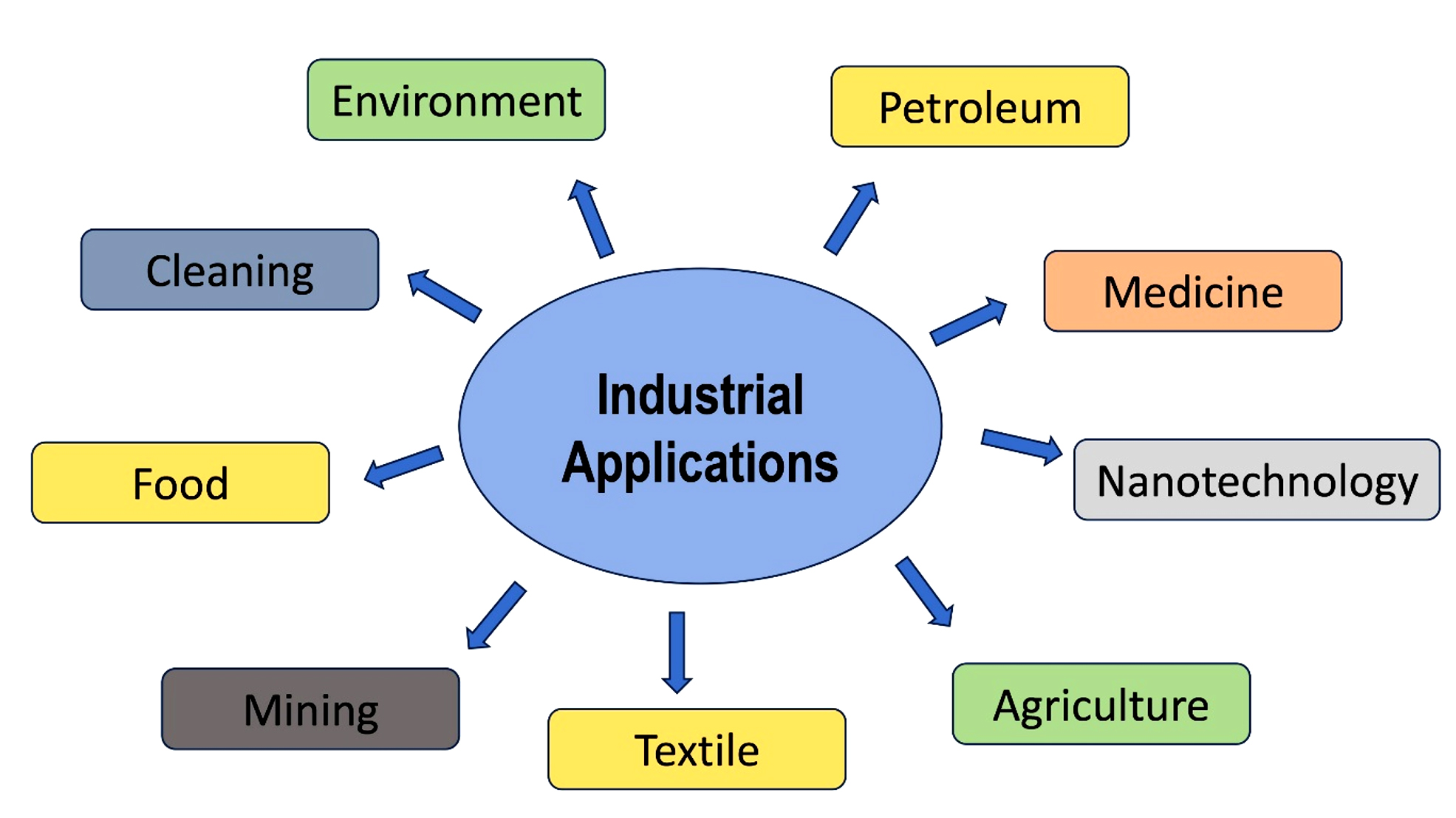
Figure 2. Potential Applications of Biosurfactants
Environmental application in oil spill management
Biosurfactants are important in the bioremediation of oil polluted soil by increasing the rate of biodegradation of non-polar compounds. Due to their capability to lower surface-tension they are capable of solubilizing and emulsifying hydrocarbons enhancing microbial degradation through the improvement of bioavailability. In addition, the surface tensions that caused the emulsion of water in oil are also lowered reducing chances of the hydrophobic substances getting to the microbes for degradation.55,56 Another mode of action of biosurfactants is that they mimic the action of synthetic surfactants in forming micelles into which hydrophobic pollutants are enmeshed and solubilized in the hydrophobic core of the micelles.57 It increases the availability of these pollutants to degrading microorganisms and minimizes their degradation. However, the existence of biosurfactants facilitates the movement and diffusion of pollutants and avoids their aggregation which are key aspects if bioremediation plans are to work.55
Advances in genetic engineering and fermentation technologies have improved the production of biosurfactants considerably in terms of yield and efficiency. Genetic changes in Pseudomonas aeruginosa increased rhamnolipid production, and optimum fermentation techniques for Candida bombicola reduced the cost of production of sophorolipids. Such improvements render biosurfactants an increasingly viable choice for industrial applications at scale. Biosurfactants play different applications in different field of use.6 In Environmental remediation, glycolipids such as rhamnolipids make it possible to break more hydrocarbons in an environment where contamination is observed. Polymeric biosurfactants, such as trehalose lipids, improve the emulsification and microbial degradation of hydrophobic pollutants. Lipopeptides like surfactin break up bacterial membranes thereby becoming one of the biggest antimicrobial agents. To enhance agricultural growth, Biosurfactants enhance nutrients in soil. The friendly environmental character of sophorolipids has made them famous in cosmetic and detergent applications. Biosurfactants produced by the microorganisms such as Pseudomonas aeruginosa, Candida bombicola, and Rhodococcus erythropolis are versatile compounds that can be used in environmental, healthcare, and industrial areas. Knowledge of their mechanisms of action and enhancement of production technology will open further industrial areas for its use, where it would be indispensable to sustainable development.56
Industrial production of biosurfactant production
Determinants influencing biosurfactant synthesis
Biosurfactant synthesis is affected by microbial species, carbon and nitrogen sources, temperature, pH, salinity, aeration, growth phase, and the composition of the growth media.58 Initially, the particular microbial strain should be chosen to transform into a biosurfactant because different microorganisms have dissimilar potential in synthesizing surfactants. Carbon substrate, which is the principal source of energy, has a great influence on the biosurfactant production since certain microorganisms may favour certain carbon sources.59 Biosurfactant biosynthesis is dependent on the nitrogen source in the same way as is the nitrogen-containing nutrient, as it enhances cell growth and biosurfactant-producing enzymes. The factors affecting biosurfactant production include temperature and pH, and the best parameters of these factors lead to high production of biosurfactant. Solids impact the production process since very high concentrations of solutes may interfere with the formation of biosurfactants. The aeration of the culture medium should be considered as another factor being taken into account when the biosurfactants are being produced.60,61
Cost analysis of the use of biosurfactant within industrial settings
Some of the challenges evident when using biosurfactants in large-scale industries include the fact that it has, more so, needs to be optimised and made cheaper. One major challenge exists in the scale-up of biosurfactant production processes, which entails difficult and time-consuming activities in the formulation of biosurfactant manufacturing processes on a large scale. Furthermore, the cost of producing biosurfactants may sometimes be relatively high, thus their application in any field is somewhat hampered. To combat such challenges, researchers have embarked on enhancing the process of biosurfactant production, identifying new cheap feedstock, and enhancing the microbial biosurfactant productivity.62
The production of biosurfactants can be broadly categorized into two types. The two major processes included were fermentation and enzyme biocatalysis. Fermentation-based biosurfactant synthesis employs microorganisms to prepare biosurfactants from renewable fuel stocks, while enzyme biocatalysis involves the use of enzymes to catalyze formation of biosurfactants from given substrates.63 Fermentation-based biosurfactant production is most preferred and extensively practised in industry. Features enrichment of specific microorganisms such as Pseudomonas sp., Bacillus sp., and Candida sp. in a growth medium with nutrition-rich supplements like carbon & nitrogen as substrates. Depending on the size and the needs, it is possible that fermentation occurs in stirred tank, airlift or packed bed bioreactors.64
Factors affecting the efficiency of biosurfactant production in fermentation
Microorganism selection
It turns out that the selection of microorganisms is critical for the enhancement of biosurfactant synthesis. The authors cited in this paper are exploring methods for the isolation of genetically improved culture strains for meaningful biosurfactant production and other favourable attributes, including free water surface tension depression, salt tolerance, and high substrate utilization rate.65 Carbon and nitrogen sources – It can also be observed that the concentration of the carbon and nitrogen sources plays a crucial role in the yields of biosurfactants. In general, cheap, renewable and readily available substrates like glycerol, glucose and molasses are preferred in industrial fermentation process. Nevertheless, the effectiveness of these substrates could depend on the microorganism used and the kind of biosurfactant of interest.23 Fermentation parameters – Getting a high yield of biosurfactant involved appropriate control of some parameters such as temperature, pH, DO concentration, etc. in this process with proper control. For instance, Pseudomonas species grow well at a temperature of between 25 and 30 °C, at a pH of between 6-7, and with good aeration.66
Fed-batch and continuous fermentation
The biosurfactant production can be optimized and the danger of substrate inhibition can be counteracted by using fed-batch and continuous fermentation processes. Fed-batch fermentation involves the addition of the substrate to the fermentation vessel in parts over time so that concentrations of the substrate may be managed effectively and substrate inhibition avoided. If we kept operating the bioreactor at steady state with higher product concentration, it is necessary to replenish fresh medium into the bioreactor while sweeping out the old medium at the same time, in order to keep the bioreactor operating.67 Downstream Processing – Select methods for the recovery and purification of biosurfactants from the fermentation broth are critical for their usage in commercial processes. Downstream process comprises cell removal step, biomass separation step, biosurfactant separation step and biosurfactant purification step. Several techniques are employed for biosurfactant recovery, among them are precipitation, solvent extraction; filtration and chromatography. Downstream processing method depended upon the type of biosurfactant to be produced, the amount to be produced and the purity required.68
There are other methods of enzyme biocatalysis for the synthesis of biosurfactants, which appear to have a number of benefits compared to the fermentation process, including a small reaction time, high selectivity and the absence of a by-product. Like biocatalysis, enzymes are used to produce biosurfactants from specific substrates such as alcohols, glycerol and esters.69 The conditions management (catalytic conditions) and product isolation, and the enzyme preparation, are among some of the most important structural stages of enzyme biocatalysis. Overall, it can be recommended that, biosurfactants should be used for industrial production and as an effective substitute for chemical surfactants.8 It involves the use of both fermentation and enzyme biocatalysis techniques, bearing high-class bioengineering biotechnological techniques to promote the biosurfactants’ production at very reduced cost. Based on the growing global concern for conservation of the environment and the use of biodegradable products, this market is anticipated to grow rapidly and in tune with the development of other related fields that are using biosurfactants.70-72
The review paper raises this issue concerning biosurfactant effectiveness in navigating biodegradation of toxic pollutants and environmental application. There are many types and kinds of biosurfactant-producing bacteria that are found in different locations, and the specificity of the described properties of the given microorganisms can become quite prospective for bioremediation of the territories polluted by oil. By using environmentally friendly microbial processes to reduce pollution and soil and water contamination, biosurfactant-mediated remediation promotes the objectives of Sustainable Development Goal (SDG) 15 Life on Land and helps restore terrestrial ecosystems. Research interest should be directed towards the commercial application of biosurfactants, as well as the problems of practical bioconversion and the new opportunities in some spheres. Biosurfactant-based technologies for bioremediation and other sustainable technologies shall go a long way in supporting the green economy.
ACKNOWLEDGMENTS
None.
CONFLICT OF INTEREST
The authors declare that there is no conflict of interest.
AUTHORS’ CONTRIBUTION
All authors listed have made a substantial, direct and intellectual contribution to the work, and approved it for publication.
FUNDING
None.
DATA AVAILABILITY
All datasets generated or analyzed during this study are included in the manuscript.
ETHICS STATEMENT
Not applicable.
- Mulligan CN. Environmental applications for biosurfactants. Environ Poll. 2004;133(2):183-198.
Crossref - Schwartz FW, Zhang H. Fundamentals of Groundwater, John Wiley & Sons. 2024.
- Rahimi A, Garcia JM. Chemical recycling of waste plastics for new materials production. Nat Rev Chem. 2017;1(6):1-11.
Crossref - LaGrega MD, Buckingham PL, Evans JC. Hazardous waste management, Waveland Press 2010.
- Soberón-Chávez G, Maier RM. Biosurfactants: a general overview. In: Soberón-Chávez G, ed. Biosurfactants: From Genes to Applications. Microbiology Monographs. Vol 20. Springer; 2011:1-11.
Crossref - Jeevanandam J, Adetunji CO, Selvam JD, et al. High industrial beneficial microorganisms for effective production of a high quantity of biosurfactant. In: Inamuddin, Adetunji CO, Asiri AM, eds. Green Sustainable Process for Chemical and Environmental Engineering and Science, Elsevier. 2021;1:279-297.
Crossref - Banat IM, Franzetti A, Gandolfi I, et al. Microbial biosurfactants production, applications and future potential. Appl Microbiol Biotechnol. 2010;87(2):427-444.
Crossref - Kadam V, Dhanorkar M, Patil S, Singh P. Advances in the co-production of biosurfactant and other biomolecules: statistical approaches for process optimization. J Appl Microbiol. 2024;135(2):lxae025.
Crossref - Bjerk TR, Severino P, Jain S, et al. Biosurfactants: properties and applications in drug delivery, biotechnology and ecotoxicology. Bioengineering. 2021;8(8):115.
Crossref - Ashby RD, Wan Muhammad Zulkifli WNF, Yatim ARM, Ren K, Mustafa A. Glycolipid biosurfactants: biosynthesis and related potential applications in food industry. In: Inamuddin, Adetunji CO, eds. Applications of Next Generation Biosurfactants in the Food Sector. Elsevier; 2023:307-334.
Crossref - Pacwa-Plociniczak M, Plaza GA, Piotrowska-Seget Z, Cameotra SS. Environmental applications of biosurfactants: recent advances. Int J Mol Sci. 2011;12(1):633-654.
Crossref - Mulligan CN. Sustainable remediation of contaminated soil using biosurfactants. Front Bioeng Biotechnol. 2021;9:635196.
Crossref - Shaji A, Thamarai P, Deivayanai VC, Saravanan A, Yaashikaa PR. Progress in sustainable remediation: utilizing biosurfactants for eco-friendly contaminant cleanup. Bioresour Technol Rep. 2024;27:101901.
Crossref - Das N, Chandran P. Microbial Degradation of Petroleum Hydrocarbon Contaminants: An Overview. Biotechnol Res Int. 2011;2011:941810 .
Crossref - Fashola MO, Anagun OS, Ashade AO, Babalola OO. Role of biosurfactants in remediation of heavy metals. In: Kumar N, ed. Heavy Metal Remediation. Earth and Environmental Sciences Library. Springer; 2024.
Crossref - Phulpoto IA, Qi Z, Qazi MA, Yu Z. Biosurfactants-based mixed polycyclic aromatic hydrocarbon degradation: From microbial community structure toward non-targeted metabolomic profile determination. Environ Int. 2024;184:108448.
Crossref - Zhao Y, Sun Y, Sun H, et al. Surfactant-Based Chemical Washing to Remediate Oil-Contaminated Soil: The State of Knowledge. Toxics. 2024;12(9):648.
Crossref - Lang S. Biological amphiphiles (microbial biosurfactants). Curr Opin Colloid Interface Sci. 2002;7(1-2):12-20.
Crossref - Kour D, Kaur T, Devi R, et al. Beneficial microbiomes for bioremediation of diverse contaminated environments for environmental sustainability: present status and future challenges. Environ Sci Pollut Res. 2021;28(20):24917-24939.
Crossref - Karmakar K, Sarkar R, Pal A, Rahaman SM, Acharjee A, Saha B. Recent Advances and Emerging Trends in Biosurfactants: A Concise Review. J Solut Chem. 2025;1-28.
Crossref - Mehta N, Kaur J, Cameotra SS, Mehta SK. Biosurfactants: a viable approach towards environmental sustainability. In: Sobti RC, ed. Role of Science and Technology for Sustainable Future. Springer; 2024.
Crossref - Muthusamy K, Gopalakrishnan S, Ravi TK, Sivachidambaram P. Biosurfactants: properties, commercial production and application. Curr Sci. 2008;94(6):736-747.
- Singh P, Patil Y, Rale V. Biosurfactant production: emerging trends and promising strategies. J Appl Microbiol. 2019;126(1):2-13.
Crossref - Shleeva MO, Kondratieva DA, Kaprelyants AS. Bacillus licheniformis: A producer of antimicrobial substances, including antimycobacterials, which are feasible for medical applications. Pharmaceutics. 2023;15(7):1893.
Crossref - Rikalovic MG, Vrvic MM, Karadzic IM. Rhamnolipid biosurfactant from Pseudomonas aeruginosa: from discovery to application in contemporary technology. J Serb Chem Soc. 2015;80(3):279-304.
Crossref - Gaur S, Gupta S, Jha PN, Jain A. Rhamnolipid production by Pseudomonas aeruginosa (SSL-4) on waste engine oil (WEO): Taguchi optimization, soil remediation, and phytotoxicity investigation. Environ Technol. 2024;45(22):4536-4549.
Crossref - Maier RM, Soberon-Chavez G. Pseudomonas aeruginosa rhamnolipids: biosynthesis and potential applications. Appl Microbiol Biotechnol. 2000;54(5):625-633.
Crossref - Goncalves P, Goncalves C, Brito PH, Sampaio JP. The Wickerhamiella/Starmerella clade—a treasure trove for the study of the evolution of yeast metabolism. Yeast. 2020;37(4):313-320.
Crossref - Thakur V, Baghmare P, Verma A, Verma JS, Geed SR. Recent progress in microbial biosurfactants production strategies: Applications, technological bottlenecks, and future outlook. Bioresour Technol. 2024;131211.
Crossref - Ongena M, Jourdan E, Adam A, et al. Surfactin and fengycin lipopeptides of Bacillus subtilis as elicitors of induced systemic resistance in plants. Environ Microbiol. 2007;9(4):1084-1090.
Crossref - Patil HI, Pratap A. Production and quantitative analysis of trehalose lipid biosurfactants using high performance liquid chromatography. J Surfactants Deterg. 2018;21(4):553-564.
Crossref - Gutierrez T, Berry D, Yang T, et al. Role of bacterial exopolysaccharides (EPS) in the fate of the oil released during the Deepwater Horizon oil spill. PLoS One. 2013;8(6):e67717.
Crossref - Mujumdar S, Joshi P, Karve N. Production, characterization, and applications of bioemulsifiers (BE) and biosurfactants (BS) produced by Acinetobacter spp.: a review. J Basic Microbiol. 2019;59(3):277-287.
Crossref - Portal D’Almeida A, de Albuquerque TL, Melo VMM, Silveira Vieira R, Ponte Rocha MV. Biosurfactant production by Acinetobacter venetianus and its application in bioremediation. Chem Eng Technol. 2023;46(6):1106-1114.
Crossref - Clements T, Ndlovu T, Khan S, Khan W. Biosurfactants produced by Serratia species: Classification, biosynthesis, production and application. Appl Microbiol Biotechnol. 2019;103(2):589-602.
Crossref - Araujo HWC, Andrade RFS, Montero-Rodriguez D, Rubio-Ribeaux D, Da Silva CAA, Campos-Takaki GM. Sustainable biosurfactant produced by Serratia marcescens UCP 1549 and its suitability for agricultural and marine bioremediation applications. Microb Cell Fact. 2019;18(1):1-13.
Crossref - Pacheco GJ, Ciapina EMP, Gomes EDB, Junior NP. Biosurfactant Production by Rhodococcus erythropolis and its Application to Oil Removal. Braz J Microbiol. 2010;41(3):685-693.
Crossref - Banat IM, Satpute SK, Cameotra SS, Patil R, Nyayanit NV. Cost effective technologies and renewable substrates for biosurfactants’ production. Front Microbiol. 2014;5:697.
Crossref - Malkapuram ST, Sharma V, Gumfekar SP, et al. A review on recent advances in the application of biosurfactants in wastewater treatment. Sustainable Energy Technologies and Assessments. 2021;48:101576.
Crossref - Cameotra SS, Makkar RS. Recent applications of biosurfactants as biological and immunological molecules. Curr Opin Microbiol. 2004;7(3):262-266.
Crossref - Nikolova C, Gutierrez T. Biosurfactants and their applications in the oil and gas industry: current state of knowledge and future perspectives. Front Bioeng Biotechnol. 2021;9:626639.
Crossref - Oliveira EMD, Sales VHG, Andrade MS, Zilli Jֹ, Borges WL, Souza TMD. Isolation and Characterization of Biosurfactant Producing Bacteria from Amapaense Amazon Soils. Int J Microbiol. 2021;2021(1):9959550.
Crossref - Uyar E, Saglam O. Isolation, screening and molecular characterization of biosurfactant producing bacteria from soil samples of auto repair shops. Arch Microbiol. 2021;203(8):4929-4939.
Crossref - Nayarisseri A, Singh P, Singh SK. Screening, isolation and characterization of biosurfactant producing Bacillus subtilis strain ANSKLAB03. Bioinformation. 2018;14(6):304-314.
Crossref - Nurfarahin AH, Mohamed MS, Phang LY. Culture medium development for microbial-derived surfactants production-an overview. Molecules. 2018;23(5):1049.
Crossref - Batista SB, Mounteer AH, Amorim FR, Totola MR. Isolation and characterization of biosurfactant/bioemulsifier-producing bacteria from petroleum contaminated sites. Bioresour Technol. 2006;97(6):868-875.
Crossref - Sanuj AK, Vanitha N. Isolation and identification of bacterial biosurfactant producing strain from soil and evaluation of their antimicrobial activity mediated zinc oxide nanoparticles. Uttar Pradesh J Zool. 2024;45(13):189-203.
Crossref - Kumari S, Debnath M, Joshi S, Sonawane SH. Isolation, Screening, Characterization, and Optimization of Biosurfactant-Producing Bacteria for Removal of Micropollutants from Textile Effluents. Ind Eng Chem Res. 2024;63(30):13189-13207.
Crossref - Mouafo HT, Pahane MM, Mbarga AJM, Sokamte AT, Somashekar D, Mbawala A. Methods of purification and characterization of biosurfactants: an overview. J Adv Biol Biotechnol. 2023;26(5):35-53.
Crossref - Nagtode VS, Cardoza C, Yasin HKA, et al. Green surfactants (biosurfactants): a petroleum-free substitute for Sustainability% Comparison, applications, market, and future prospects. ACS Omega. 2023;8(13):11674-11699.
Crossref - Gulzar W, Naz S, Haq R, Munir N. Biosurfactant for the remediation of heavy metals contaminated soils. In: Husen A, Iqbal M, Ditta A, Mehmood S, Imtiaz M, Tu MS, eds. Bio-organic Amendments for Heavy Metal Remediation: Water, Soil and Plant Approaches and Technologies. Elsevier; 2024:361-388.
Crossref - Bueno Mancebo J, Barrena R, Artola A, Gea T, Altmajer Vaz D. Surfactin: biological activity and the possibility of agricultural application (Review). Int J Cosmet Sci. 2024;46(5):702-716.
Crossref - Kisil OV, Trefilov VS, Sadykova VS, Zvereva ME, Kubareva EA. Surfactin: biological activity and the possibility of agricultural application. Appl Biochem Microbiol. 2023;59(1):3-16.
Crossref - Otzen DE. Biosurfactants and surfactants interacting with membranes and proteins: same but different? Biochim Biophys Acta Biomembr. 2017;1859(4):639-649.
Crossref - Filho AAPS, Converti A, da Silva RDCFS, Sarubbo LA. Biosurfactants as multifunctional remediation agents of environmental pollutants generated by the petroleum industry. Energies. 2023;16(3):1209.
Crossref - Bolan S, Padhye LP, Mulligan CN, et al. Surfactant-enhanced mobilization of persistent organic pollutants: a wide potential for soil and sediment remediation activities and latent consequences. J Hazard Mater. 2023;443(Pt A):130189.
Crossref - Baccile N, Poirier A. Microbial bio-based amphiphiles (biosurfactants): general aspects on critical micelle concentration, surface tension, and phase behavior. In: Soberón-Chávez G, ed. Biosurfactants: Research and Development. Foundations and Frontiers in Enzymology. Elsevier; 2023:3-31.
Crossref - Rawal N, Ansari R. Understanding pathways, substrates, and media optimization to maximize microbial biosurfactant production. Int J Res Appl Sci Eng Technol. 2024;12(4):1342-1351.
Crossref - Singh SK, Sachan A. Evaluation of nutritional and environmental factors for biosurfactant production by native soil bacteria. Afr J Biomed Res. 2024;27(3s):5664-5674.
Crossref - Qamar SA, Pacifico S. Cleaner production of biosurfactants via bio-waste valorization: A comprehensive review of characteristics, challenges, and opportunities in bio-sector applications. J Environ Chem Eng. 2023;11(6):111555.
Crossref - Taowkrue E, Songdech P, Maneerat S, Soontorngun N. Enhanced production of yeast biosurfactant sophorolipids using yeast extract or the alternative nitrogen source soybean meal. Ind Crops Prod. 2024;210:118089.
Crossref - Jimoh AA, Senbadejo TY, Adeleke R, Lin J. Development and genetic engineering of hyper-producing microbial strains for improved synthesis of biosurfactants. Mol Biotechnol. 2021;63(4):267-288.
Crossref - Syldatk C, Wagner F. Production of biosurfactants. In Kosaric N, Vardar-Sukan F (eds.), Biosurfactants and Biotechnology. CRC Press, Boca Raton. 2017:89-120
- Saharan BS, Sahu RK, Sharma D. A review on biosurfactants: fermentation, current developments and perspectives. Genet Eng Biotechnol J.2011;2011(1):1-14.
- Nitschke M, Ferraz C, Pastore GM. Selection of microorganisms for biosurfactant production using agroindustrial wastes. Braz J Microbiol. 2004;35(1-2):81-85.
Crossref - Ghribi D, Abdelkefi-Mesrati L, Mnif I, Kammoun R, Ayadi I, Saadaoui I, Maktouf S, Chaabouni-Ellouze S. Investigation of antimicrobial activity and statistical optimization of Bacillus subtilis SPB1 biosurfactant production in solid state fermentation. J Biomed Biotechnol. 2012;2012:373682.
Crossref - Fu S, Gou L, Long K, Chen L, Cai D, Lu Y. A Strategy for the Production of Single-Cell Proteins by the Efficient and Continuous Fermentation of Hydroxide Bacteria Under Gas Fermentation. Appl Sci. 2025;15(2):540.
Crossref - Rodrigues LR, Teixeira JA, Oliveira R. Low-cost fermentative medium for biosurfactant production by probiotic bacteria. Biochem Eng J. 2006;32(3):135-142.
Crossref - Loulou F, Bidjou-Haiour C. Lipase catalyzed synthesis of D-xylose-based biosurfactants and their surface properties. Curr Org Chem. 2023;27(15):1357-1364.
Crossref - Carvalho AKF, Bento HBS, Carlos FR, Hidalgo VB, Romero CM, Gambarato BC, Da Rós PCM. Enzymatic production of biosurfactants. In: Marcelino PRF, da Silva SS, Lopez AO, eds. Biosurfactants and Sustainability: From Biorefineries Production to Versatile Applications. Wiley; 2023.
Crossref - Sekhon KK, Khanna S, Cameotra SS. Biosurfactant production and potential correlation with esterase activity. J Pet Environ Biotechnol. 2012;3(7):133.
Crossref - Sarubbo LA, da Gloria CSM, Durval IJB, et al. Biosurfactants: Production, properties, applications, trends, and general perspectives. Biochem Eng J. 2022;181:108377.
Crossref
© The Author(s) 2026. Open Access. This article is distributed under the terms of the Creative Commons Attribution 4.0 International License which permits unrestricted use, sharing, distribution, and reproduction in any medium, provided you give appropriate credit to the original author(s) and the source, provide a link to the Creative Commons license, and indicate if changes were made.