

ISSN: 0973-7510
E-ISSN: 2581-690X
 , Nishant K. Sinha1, Asit Mandal1, N. Ravisankar2, Pramod Jha1, B.P. Meena1, R. Elanchezhian1, Rahul Mishra1, Jitendra Kumar1, Priyanshu Kumar1, Abinash Das1, Sudeshna Bhattacharjya1, K. Bharati1, S.R. Mohanty1, J. Somasundaram3, M. Mohanty1 and Ashok K. Patra4
Beejamrit (BJ), Jeevamrit (JV) and Ghanajeevamrit (GV) the core inputs for practicing natural farming in India have been characterized for the plant nutrient content and microbial composition using cultural and metabarcoding techniques. Also, Phosphorus (P) solubilization efficiency of rhizosphere microbes receiving these natural farming inputs has been compared with organic, integrated and inorganically managed soils microbes. Chemical analysis revealed higher total NP and K (2.04, 0.3 and 1.3% respectively) in GV. Metabarcoding revealed dominance of Bacillota (87.5%) in JV, whereas Beejamrit and Ghanajeevamrit had abundance of Pseudomonadota with 49.67% and 46.77% OTU respectively. Higher abundance of Lactococcus, Clostridium, Lacticaseibacillus, Lactiplantibacillus and Acetobacter was found in JV. GV had higher diversity of bacteria and Flavobacterium, Hydrogenophaga, Pseudomonas and Arenimonas was dominant genera. Highest solubilization of phosphorus was observed by mixed microbial community in Control soil (CONT) 92.75 µg/mL and natural farming (NF) soil 90.56 µg/mL on 21 days of incubation (DAI) while P solubilization by bacterial flora was recorded highest in NF 40.77 µg/mL on 21 DAI followed by integrated crop management (ICM) 38.76 µg/mL and organic farming (OF) soil 34.12 µg/mL on 14 DAI. P solubilization by bacterial flora ranged from 34.36% in CONT to 67.63% in ICM. It can be concluded that organic and low input management system supported more efficient microbes in P solubilization while bacterial contribution was more where nutrient source was added exogenously.
Microbial Diversity, Organic Farming, Natural Farming, Integrated Crop Management, P Solubilization, Metabarcoding
Organic manure and fermented liquid manure are increasingly being used in agriculture as a replacement or supplement to chemical plant nutrient to augment soil health, food safety and environmental security. These preparations are considered to act as catalyst for soil microbial activity which can drive nutrient transformation in organic based soil nutrient management practices. In India, organic and natural farming gained momentum due to increased awareness about the safe food, soil health and policy support by the government. Organic farming and more recently natural farming as a regenerative agricultural practiced has been widely adopted by the farmers and the area under organic and natural farming increase to approximately 7.3 million hectares and 8.8 lakh hectares, respectively. While organic farming can be practiced using off farm organic inputs such as compost, biofertilizers and biopesticides, natural faming advocates exclusive use of on farm input to augment soil microbial process using Jeevamrit, Ghanajeevamrit to meet crop nutrient demand. The concept of natural farming is based on ecological approached to encourage biodiversity and make harmony between different components of agroecosystem. Use of bio-formulations such as Beejamrit and Jeevamrit, mulching, intercropping, and reduced tillage are found to be contributing for the collective improvement of soil organic carbon (SOC), nutrient cycling, and microbial activity. Natural farming system includes practice of biomass recycling, rejuvenation of natural nutrient cycles using biological components, on-farm plant and livestock-based inputs, which are one of the alternative production systems to address the priorities listed in the report of Food and Agriculture Organization.1 Soil microbial communities play a major role in improving and maintaining soil fertility and crop productivity by nutrient transformation and plant growth promoting attributes.2 Phosphorus is one of the crucial plant nutrients directly involved in cellular processes like synthesis of DNA, RNA and energy currency of cell in the form of ATP. After nitrogen, it is the second most important plant nutrient determining crop productivity. Phosphorus is also essential for growth and development of plant contributing about 0.2% of the dry weight of plants.3 The P added to soil as fertilizers are utilized to the extent of less than 20% only and remaining more than 80% are either fixed in soil as insoluble phosphates or lost through various processes causing environmental pollution.4 Rhizosphere microbes have been found effective in making this fixed phosphorus available to the plants through solubilization/mobilization to improve its utilization efficiency. As Beejamrit, Jeevamrit and Ghanajeevamrit constitute core input of the natural farming system, it is important to decipher the chemical and microbial features of these preparations responsible rejuvenating soil health. Although, a few reports described the culturable microbial population in various organic and natural farming inputs, no report is available on detail characterization of microbiome of natural farming preparations Beejamrit, Jeevamrit and Ghanajeevamrit using metagenomic approach to decipher unculturable bacterial taxa in these preparations. Also, there is dearth of quantified information on how nutrient management practice affects different groups of P solubilizing microbial population and efficiency in releasing phosphorus from a recalcitrant source. In present study these two aspects, i.e. a detail taxa wise characterization of bacterial microbiome of natural farming inputs using metabarcoding technique and effect of nutrient management practice on P solubilization from Aluminium phosphate by mixed microbial community and bacterial community associated with wheat rhizosphere to reveals a more realistic condition than pure culture assay has been presented.
Preparation of natural farming formulations
Beejamrit (BJ) was prepared by using 5 kg of fresh dung from indigenous cows, 5 liters of desi cow urine, 50-100 g of fertile soil, 50 g of calcium chloride, and 20 liters of water. The mixture is thoroughly stirred and fermented for 24 hrs. It is used for seed dressing or dipping seedling roots.1
Jeevamrit (JV): It is a fermented microbial formulation prepared from on-farm ingredients such as 10 kg of fresh dung from indigenous cows, 10 litres desi cow urine, 1.5 kg of cane jaggery and 1.5 kg of pulse flour mixed in a barrel with 180 litres of water. A handful (50-100 g) of soil from around banyan tree was added as a source of local microflora. The mixture was stirred and fermented in the shade for 6-7 days in winter. This preparation is applied to soil twice a month at a rate of 600 litres per acre through irrigation water or as a foliar spray.
Ghanajeevamrit (GV): It is the solid or powdered form of Jeevamrit prepared by using ingredients such as desi cow dung (150 kg), jaggery (1 kg), pulse flour (2 kg), virgin fertile soil for microbial culture (50-100 g), native/desi cow’s urine. In pile of fresh cow dung partially dried up to 3-4 days up to a height of 1.5 feet, holes with a wooden log at a distance of about 1 foot was made and the hole was filled with Jeevamrit. The pile was turned after a week and the process was repeated 2-3 times. Ghanajeevamrit gets ready in 30-35 days. It is pounded to small sized particles and broadcasted uniformly in the field at the time of land preparation.
Chemical characterization of the natural farming preparations
The pH and EC (1:2 formulation: water) were determined by pH meter and EC conductivity meter, respectively. The total carbon in formulations such as Ghanajeevamrit, Beejamrit and Jeevamrit were estimated by a TOC analyzer. The total macronutrients such as N, P, and K were analyzed by standard protocol. The N was digested by taking a sample (1 g solid and 10 ml liquid) in a 150 ml conical flask, added 10 ml of concentrated hydrochloric acid (HCl) kept overnight, and after that, added 10 ml of di-acid (HNO3:HClO4; 9:4). For P and K, took the same amount of sample as N but added only di-acid, and placed on a hot plate until the colour changed to pure transparent white. The micronutrient (Fe, Mn, Cu, and Zn) was also estimated in the digested sample by using atomic absorption spectrophotometry.
Microbial characterization of natural farming preparations
Enumeration of culturable bacteria, fungi and actinobacteria was done on nutrient agar, Martin’s Rose Bengal Agar and Kenknight Munaier’s agar respectively using dilution plating technique. Ghanajeevamrit (10 g) and Beejamrit/Jeevamrit (10 mL) formulations was serially diluted in 90 mL of sterilized water blank (0.85% NaCl solution). Inoculum (0.1 mL) from appropriate dilution was spread plated on pre-solidified media under aseptic condition in a biosafety cabinet. The plates were kept in an incubator at 28 °C to develop colonies. During the incubation period (for bacteria and fungus, after 48 hours; for actinomycetes-7 days;), the growth was examined, number of identifiable colonies were manually counted and expressed as colony forming unit per g or mL preparation.
Characterization of Bacterial microbiome from natural farming preparations metagenome
Metagenome from four samples of Beejamrit, Jeevamrit and Ghanajeevamrit was extracted using FastDNA Spin Kit (MP Biomedicals, USA) as per the manufacturer protocol and pooled together. The concentration and purity of genomic DNA were detected using NanoQ. The V3-V4 region of 16S rRNA gene was amplified using 338F (5′-ACTCCTACGGGAGGCAGCA-3′) and 806R (5′-GGACTACHVGGGTWTCTAAT-3′) primer containing additional overhang sequence.5 The amplicons from each sample were purified using Ampure beads to remove excess and unused primers and an additional 8 cycles of PCR was performed using Illumina barcoded adapters to prepare the sequencing libraries. Libraries were purified and quantitated using Qubit dsDNA High Sensitivity assay kit. Sequencing was performed using Illumina Miseq with 2x300PE V3-V4 sequencing kit as per the manufacturer instruction. Step wise detail of the PCR condition and library preparation followed was as per Shanmuganandam et al.5 The service was outsourced from M/s Biokart India Pvt. Ltd., Bengaluru.
Bioinformatic analysis
The bcl data received from the sequencer was de-multiplexed into .fastq raw data. De-multiplexed data quality was checked using FastQC (Version 0.11.9) and MultiQC (Version 1.10.1) tools. Low-quality and outlier samples were excluded, and read counts were normalized by scaling all samples to the minimum library size. The QC passed samples were qualified for further analysis. Fastp Version 0.20.1 was used to trim the low-quality bases; adapters and the high-quality reads were then used for further analysis (github.com). QIIME 2 pipeline was used for taxonomic classification of the obtained sequence data. The paired-end reads were merged filtered by quality and then dereplicated using VSEARCH. The sequences were classified based on VSEARCH and the SILVA database was used for further taxonomical classification. Valid labels were clustered into the same OTU when their identity was at least 97% or more. The OTU with the highest frequency considered as the representative OTU for species information analysis. The taxonomy.qza file obtained was used for further estimation of alpha and beta diversity. A phylogenetic tree was constructed using the align-to-tree-mafft-fasttree pipeline, yielding a rooted tree (rooted-tree.qza) required for phylogeny-based diversity metrics. Core diversity metrics were then computed using the core-metrics-phylogenetic plugin at a rarefaction depth corresponding to the minimum sample sequencing depth, generating alpha diversity vectors. Each artifact was subsequently exported using qiime tools export converting alpha diversity outputs to alpha-diversity.tsv files and beta diversity outputs to distance-matrix.tsv files, with the feature table exported as feature-table.tsv and taxonomy as taxonomy.tsv. These plain-text tab-separated files were then imported into RStudio using read.table() for downstream statistical analysis and visualization using the phyloseq, vegan, ggplot2, and DESeq2 packages.
Experimental soil and site description for P solubilization study
Experimental soil was non-calcareous Vertisols (Isohyperthermic Typic Haplustert) with 58% clay, 22% silt and 20% sand in the top soil layer. For soil chemical analysis, the samples were collected after harvest of wheat crop (May 2025) from the ongoing experimental plots with five nutrient management practices imposed continuously for last five years. For microbial P solubilization determination, rhizosphere soil from wheat crop was collected from vegetative stage (60 days) of crop growth. The treatment details are as follows: CONT: where no organic or inorganic nutrient were applied exogenously (Control); ICM: Integrated Crop Management -50% of N requirement was applied through vermicompost and farmyard manure and rest 50% N through chemical fertilizer (Urea). INORG where the entire NPK was supplied through chemical fertilizer (Urea, DAP and MOP). The recommended dose of N, P2O5 and K2O for wheat variety was 120:60: 40 kg/ha. NF: Plant nutrient supplemented through indigenous preparations like Ghanajeevamrit (1000 kg/ha) 15 days before sowing during land preparation, Jeevamrit application in standing crop (twice in a month @1500 litre till hard dough stage), and practices such as straw mulching, seed treatment with Beejamrit were followed; OF: Organic sources of nutrient like vermicompost, farmyard manure and rock phosphate (@100 kg/ha) was used as nutrient source. The vermicompost and farmyard quantity was computed based on recommended dose of N for wheat and quantity of N present in compost. Field experiment was laid out in randomized block design (RBD) with four replications and soybean is grown during Kharif while wheat was grown during Rabi season. The soil property of the experimental field is presented in Table 1. For microbial analysis, the freshly collected rhizosphere soils were stored at 4 °C till analysis while for chemical analysis the samples were air dried, processed to pass through 5 mm sieve and used for analysis of parameters.
Table 1. Chemical properties of the soil used in the experiment
Treatment |
pH |
EC (dS/m) |
OC (%) |
Available N(Kg/ha) |
Available P(Kg/ha) |
Available K(Kg/ha) |
|---|---|---|---|---|---|---|
CONT |
8.12 |
0.21 |
0.72 |
164.6 |
14.4 |
647.4 |
NF |
8.19 |
0.25 |
1.65 |
178.4 |
16.6 |
704.1 |
OF |
8.17 |
0.22 |
0.97 |
180.3 |
19.4 |
702.6 |
ICM |
8.01 |
0.25 |
0.89 |
194.0 |
20.5 |
670.3 |
INORG |
7.81 |
0.31 |
0.76 |
182.0 |
26.5 |
671.9 |
Estimation of phosphorus solubilization by mixed microbial community from different nutrient management practices
Modified NBRI Broth,6 supplemented with Al-phosphate 5 g/L in place of tricalcium phosphate was prepared in 250 mL flask each containing 100 mL broth and sterilized at 15 PSI for 20 min. Two sets of broth were prepared for each treatment replication. First set was supplemented with filter sterilized Cycloheximide antibiotic (Actidione @100 mg/L) to inhibit fungal growth and make the medium selective for bacterial growth. Second set was devoid of antibiotic to permit all types of soil biota that can solubilize the aluminium phosphate. The uninoculated broth was kept as control to monitor the release of phosphorus due to heat during sterilization or in due course of incubation. Four batches of such sets were prepared to estimate the P release at 0, 7, 14 and 21 days. The soil samples from treatment replications were serially diluted to 10-2. Two ml of inoculum from each sample was inoculated in the medium. All flasks were incubated at 28 °C with shaking at 180 rpm. Ten mL culture broth was removed and centrifuged at 12000g RCF for 10 minutes and the supernatant was used for determining pH and the amount of phosphate released in the medium. The solubilized P from these minerals was estimated using spectrophotometer at 0, 7, 14 and 21 days, by the method of Jackson.7 The P released from uninoculated-control was subtracted from the inoculated flask and the P added through soil dilution was also accounted while calculating P release due to microbial action.
Soil chemical characteristics
pH and EC were measured in 1:2 soil water extract. Total organic carbon was estimated by removing inorganic carbon through acidification with HCl followed by estimation in CHN analyser (EuroEA Elemental Analyzer, Eurovector). Available N content was estimated by conducting distillation of the soil with 0.32% KMnO4 and 2.5% NaOH followed by measurement of evolved ammonia by alkali titration. Olsen’s extractant, 0.5 M NaHCO3 (pH 8.5), was used for measuring the soil available P by colorimetric method using a spectrophotometer (CE 2031, Cecil Instruments Ltd., Cambridge, UK). Available potassium (K) was extracted in neutral (pH 7.0) 1 N ammonium acetate solution, and analysed by a flame photometer (CL 378, Elico Ltd., Hyderabad, India).
Statistical analysis
Data were tested for normality using Shapiro-Wilk Test and appropriately transformed where not normally distributed. The mean of treatments was compared according to Fisher’s multiple comparison tests. Least significant difference (LSD) of the treatment and interaction was calculated at P < 0.05 using XLSTAT software (Statistical software for Microsoft Excel addon package). Standard deviation and mean of the samples were calculated in Microsoft Excel.
Plant nutrient content and microbial community in natural farming preparations
Among different preparations, the pH of Jeevamrit was found to be in acidic while other two preparations were alkaline in nature. EC of the three preparations did not vary drastically however, the total N, P, K and micronutrient content in Ghanajeevamrit was much higher than Beejamrit and Jeevamrit (Table 2). Culturable microbial count for bacteria was higher in Ghanajeevamrit followed by Jeevamrit and least in Beejamrit. No fungi and actinobacteria colony developed on MRB and KM medium from Beejamrit and Jeevamrit while it was present in Ghanajeevamrit, indicating microbial richness of Ghanajeevamrit compared to Beejamrit and Jeevamrit (Table 3).
Table 2. Chemical characterization of organic and natural farming inputs
Material |
pH |
EC (dS/m) |
Total N* |
Total P* |
Total K* |
Zn* |
Cu* |
Mn* |
|---|---|---|---|---|---|---|---|---|
Beejamrit |
8.68 (0.10) |
2.83 (0.06) |
23.33 (4.28) |
195.53 (42.18) |
2175.33 (152.45) |
7.17 (4.99) |
1.73 (0.42) |
2.53 (0.59) |
Jeevamrit |
4.49 (0.11) |
3.07 (0.22) |
69.07 (4.28) |
312.85 (9.68) |
560.00 (43.03) |
8.04 (0.45) |
1.80 (0.72) |
15.37 (3.15) |
Ghanjeevamrit |
8.03 (0.20) |
2.70 (0.16) |
20465.33 (2014.60) |
3776.59 (215.50) |
13547.33 (222.36) |
196.15 (22.05) |
27.00 (2.00) |
421.53 (31.68) |
*mg/kg
Figures in parenthesis represents standard deviation of three replications
Table 3. Microbial Population in different natural farming inputs
Material |
Bacteria (log10CFU) |
Actinomycetes (log10CFU) |
Fungi (log10CFU) |
|---|---|---|---|
Beejamrit |
6.58 (0.046) |
Nil |
Nil |
Jeevamrit |
7.22 (0.03) |
Nil |
Nil |
Ghanjeevamrit |
8.85 (0.036) |
4.64 (0.064) |
3.79 (0.038) |
Figures in parenthesis represents standard deviation of three replications
Bacterial community structure in natural farming preparations based on metabarcoding
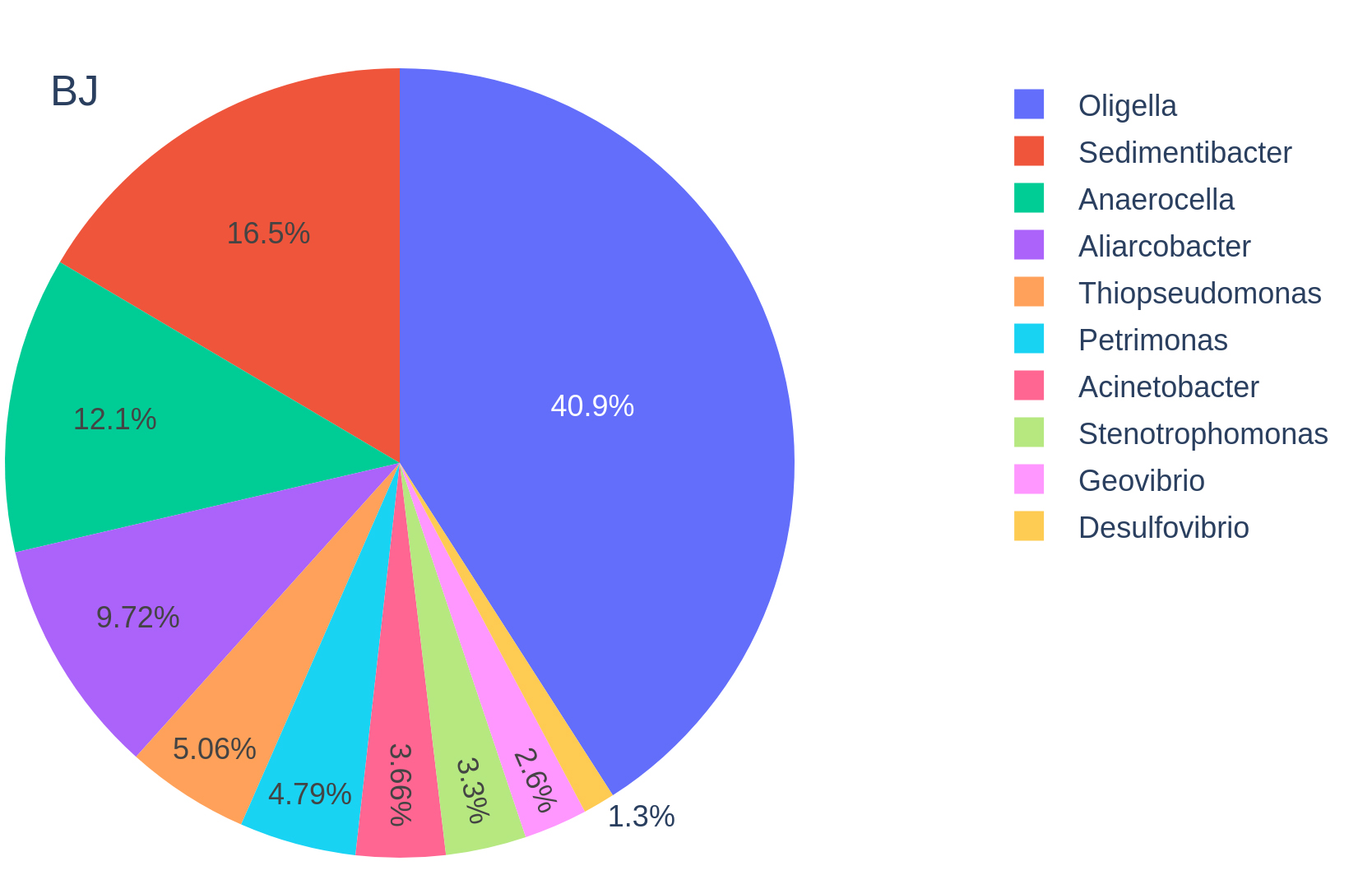
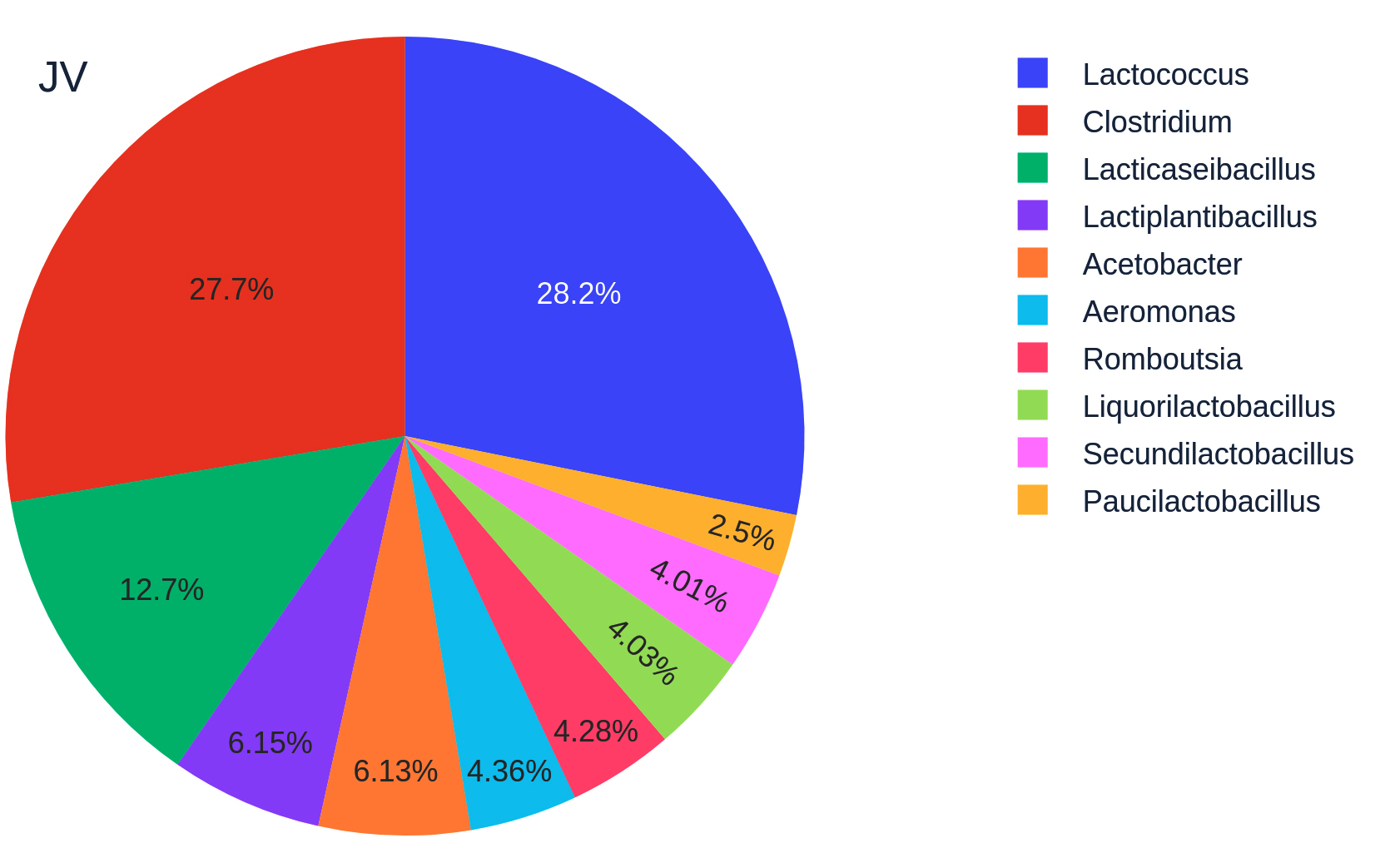
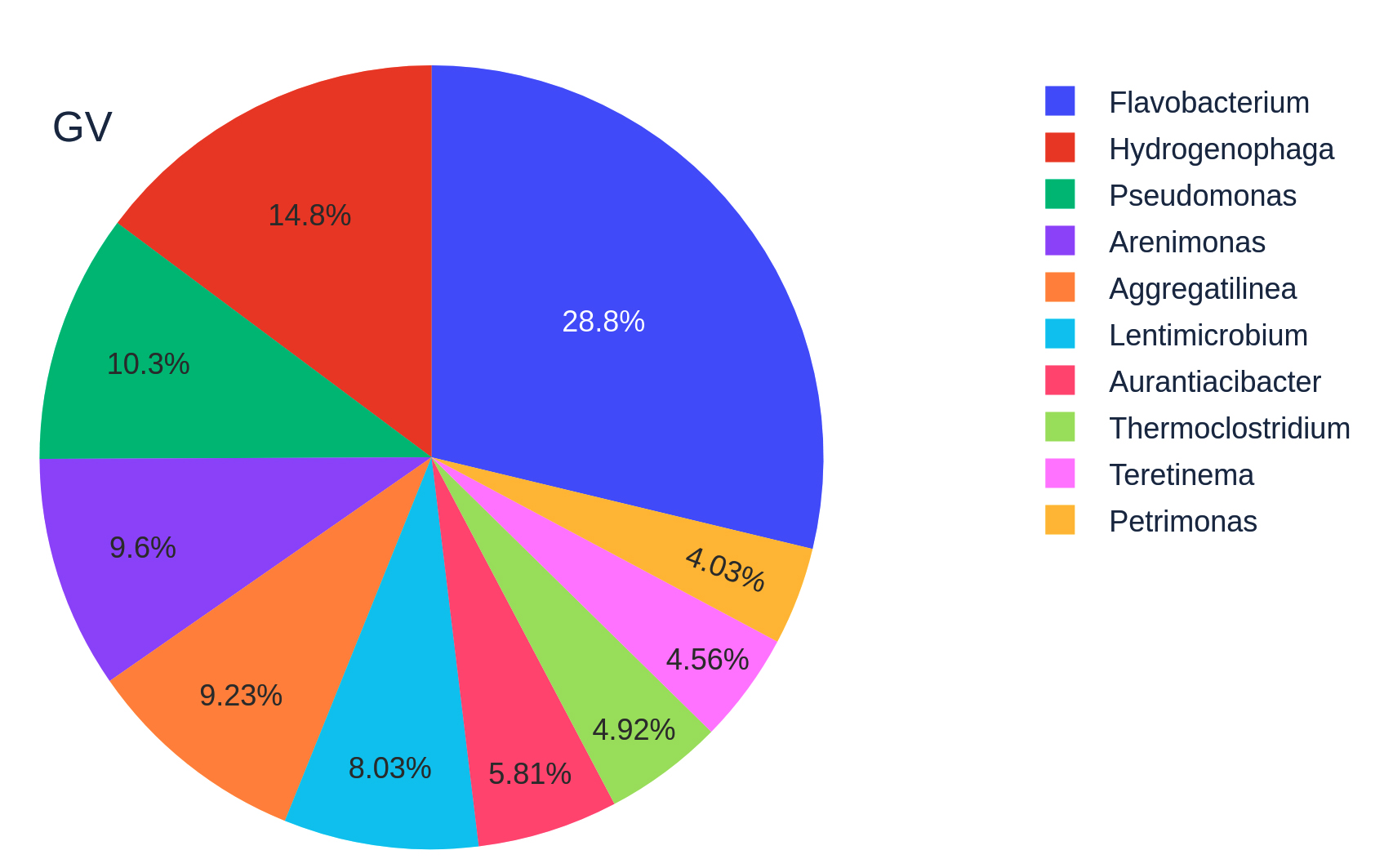
From Ghanajeevamrit, Jeevamrit and Beejamrit total 0.535, 0.502 and 0.431 million reads were obtained which was further used to form OTU for comparison. From assembled reads, representative OTU related to 29 bacterial phyla was detected from these three preparations with higher numbers of phyla in Ghanajeevamrit. While Jeevamrit was dominated by Bacillota (87.5%), Beejamrit and Ghanajeevamrit had abundance of Pseudomonadota with 49.67% and 46.77% OTU respectively in each preparation. Bacillota, Pseudomonadota and Bacteroidota together constituted 86% in Beejamrit, 82% in Ghanajeevamrit and 99% in Jeevamrit. Proportion of Actinomycetota were more in Ghanajeevamrit (1.73%) compared to Beejamrit (0.47%) and Jeevamrit (0.26%). The unclassified bacteria were higher in Ghanajeevamrit (Figure 1). Among different classes of bacteria, Jeevamrit was dominated by Bacilli (55%) and Clostridia (32.24%). In Ghanajeevamrit, the OTU related to class Alpha Proteobacteria covered 19.46% of total, Flavobacteria of Bacteroidota 16%, Gamma Proteobacteria 15%, Beta Proteobacteria 11%, Bacteroidia (8.64%), Clostridia 6.2% and Anaerolineae constituted 5.23%. Beejamrit was dominated by Beta Proteobacteria (37.81%), Bacteroidia (16.52%), Tissierellia (15.58%), Gammaproteobacteria (11%), Epsilon Proteobacteria (8.56%) and Clostridia (3.2%). The bar plot of top 30 taxa is given in Figure 1 (Phylum) and Figure 2 (Class). Among different genera of eubacteria, Beejamrit had dominance of Oligella (40%), Sedimentibacter (14.48%), Anaerocella (10.65%), Aliarcobacter (8.53%) and Acinetobacter (3.21%). In Jeevamrit, Lactococcus, Clostridium, Lacticaseibacillus, Lactiplantibacillus, Acetobacter and Aeromonas were numerically abundant bacteria. Ghanajeevamrit contained more diverse genera compared to other preparation and Flavobacterium, Hydrogenophaga, Pseudomonas, Arenimonas, Aggregatilinea, Lentimicrobium, Aurantiacibacter were major genera present in Ghanajeevamrit. OTU related to Azospirillum and Azotobacter was absent in Beejamrit while it was present in Jeevamrit and Ghanajeevamrit. Major genera of bacteria in Beejamrit, Ghanajeevamrit and Jeevamrit is given in Figures 3a-c.
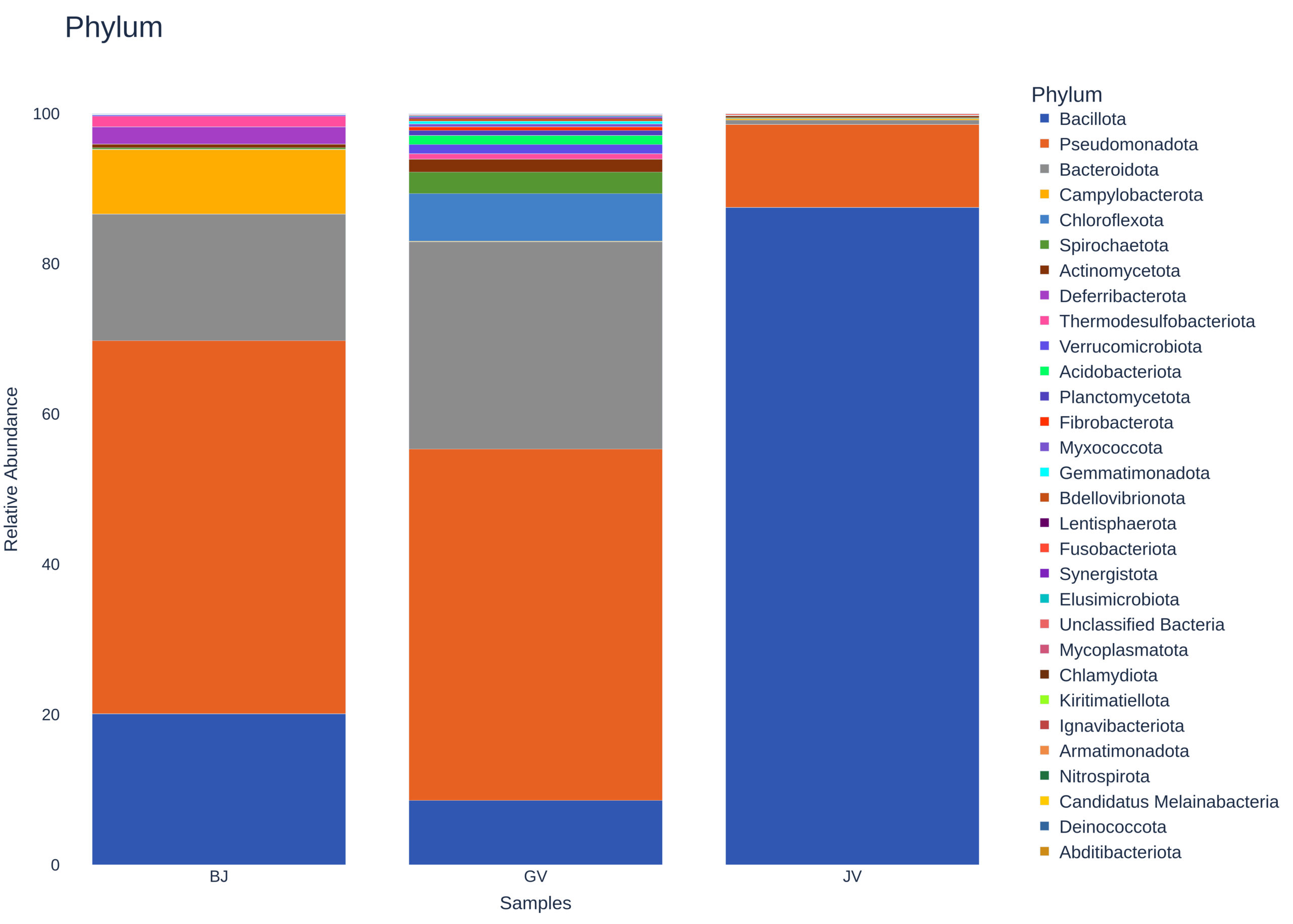
Figure 1. Proportion of different phyla of bacteria in natural farming inputs
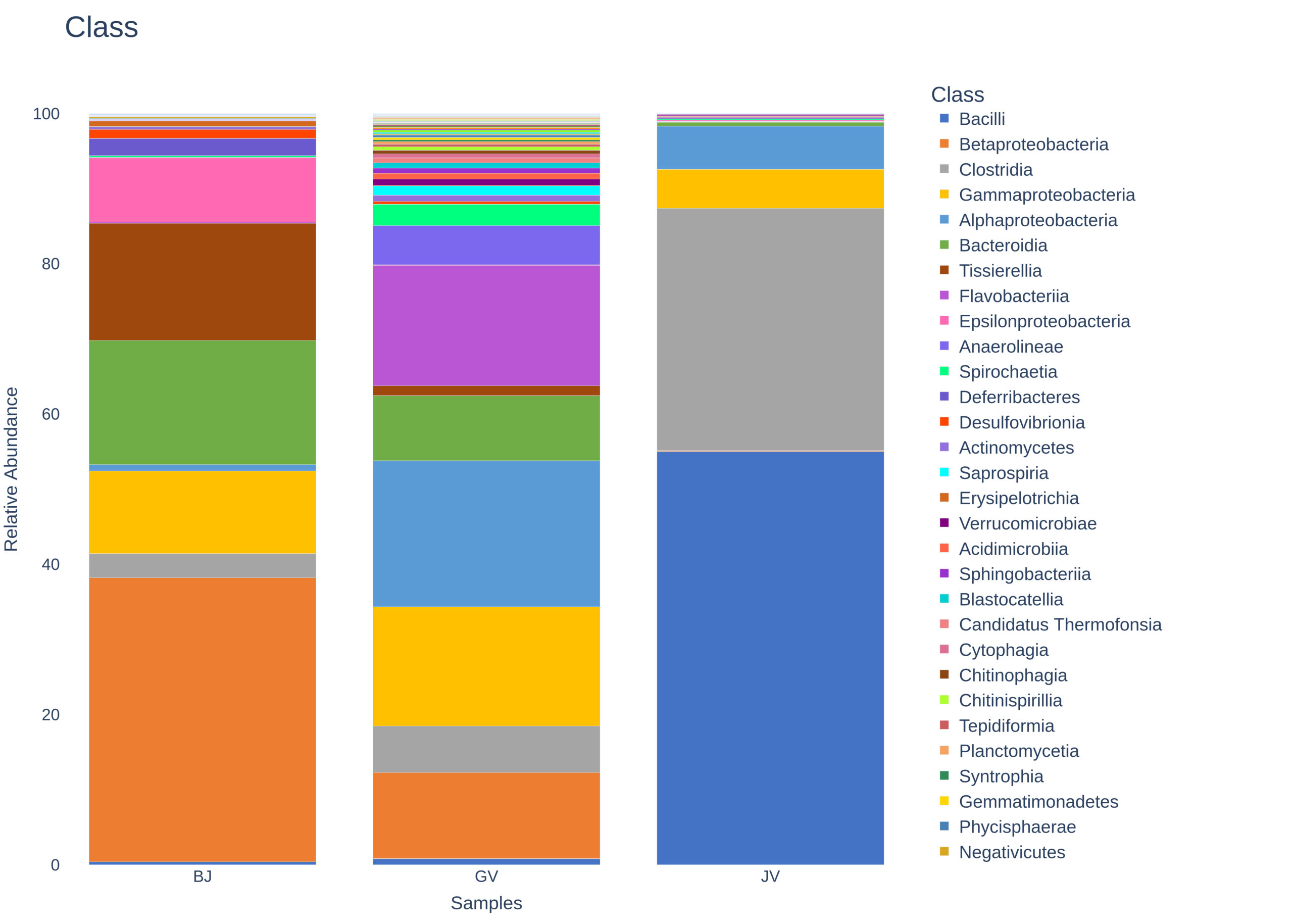
Figure 2. Proportion of different classes of bacteria in natural farming inputs
BJ: Beejamrit; GV: Ghanajeevamrit and JV: Jeevamrit
(a)
(b)
(c)
>Figure 3. Dominant bacterial genera detected in natural farming input
Alpha and beta diversity of the bacteria in natural farming preparations
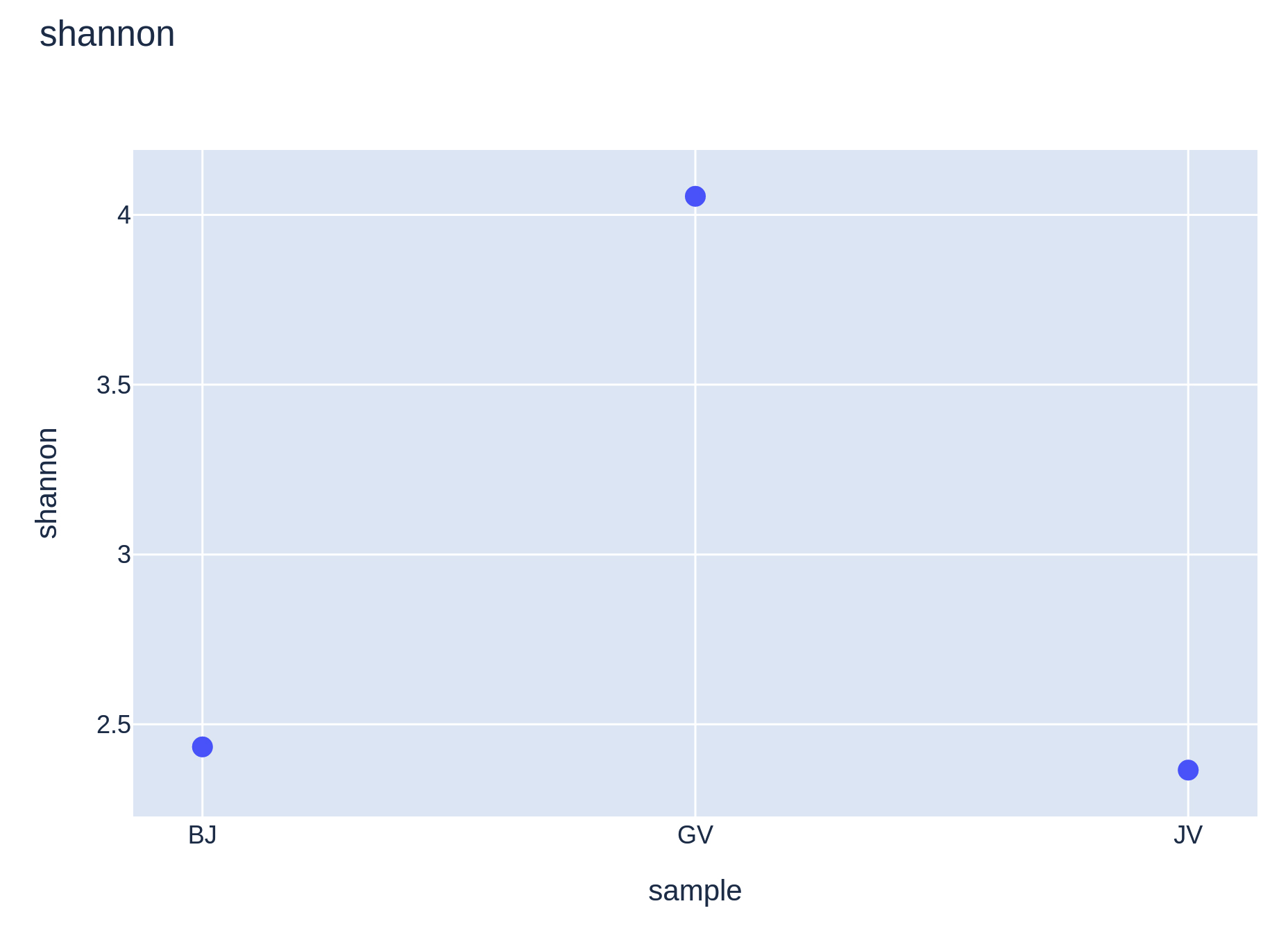
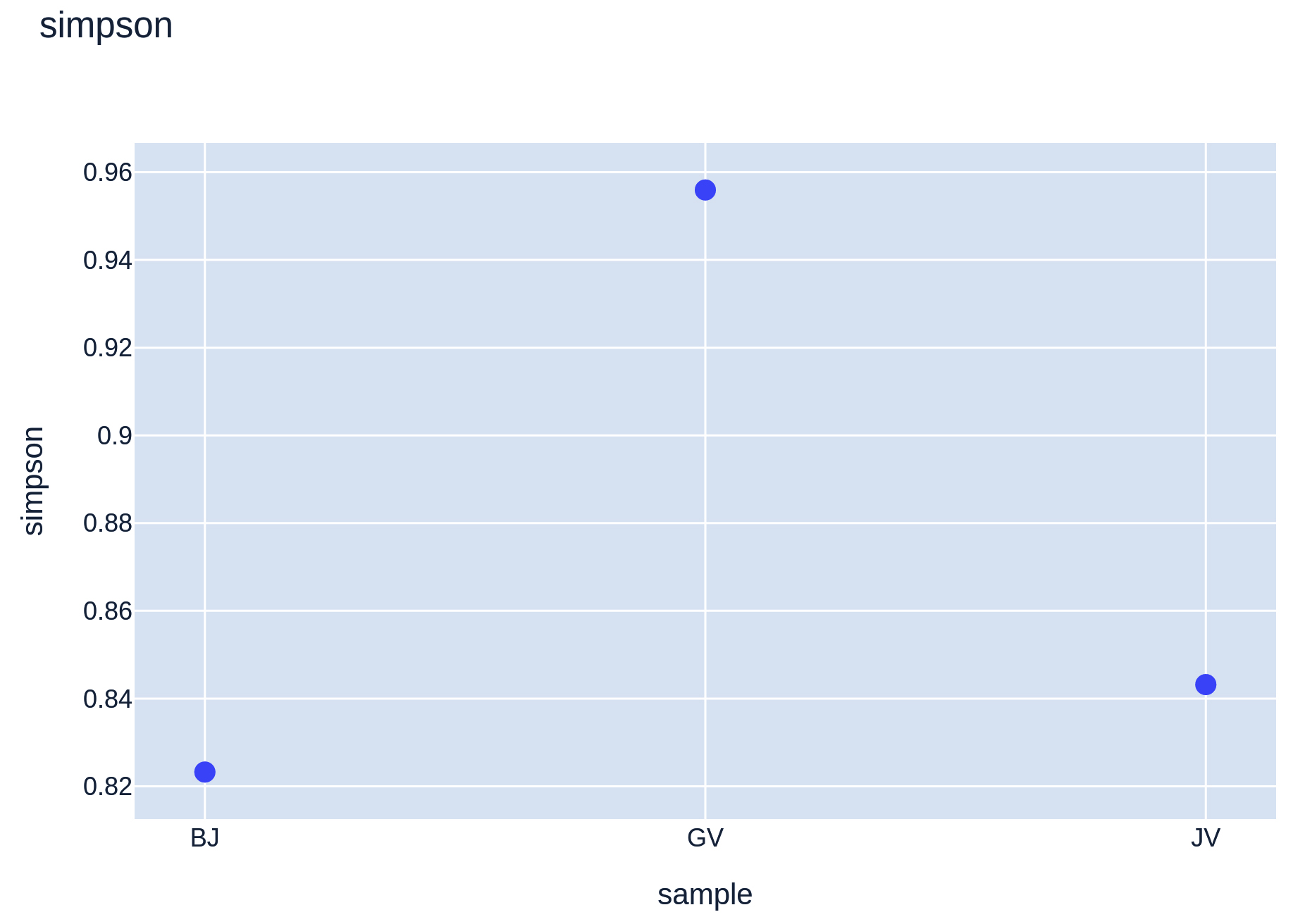
The samples data were rarefied to even sequencing depth based on the sample having lowest sequencing depth. The rarefaction curve attain plateau after 10000 reads for GV while for other preparations the plateau attained at approximately 5000 reads only. The rarefaction curve of the individuals in different preparation is given in Figure 4. Alpha diversity such as Shannon and Simpson index calculated based on sequence difference and abundance of specific OTU was recorded highest (4.05 and 0.95 respectively) for GV. Shannon index for BJ (2.43) was higher than and JV (2.36) the Simpson index was recorded higher in Jeevamrit (0.84) compared to Beejamrit (0.82) (Figures 5a and b). Based on similarity in microbial taxa the BJ and GV occupied same co-ordinate (Figure 6) and thus clustered together (Figure 7). Among different preparations, 68 OTUs were common in BJ*GV, 16 in BJ*JV, 60 in GV*JV, and 105 in GV*JV*BJ. In BJ, GV and JV 40, 265 and 71 OTUs respectively were not overlapping with any of these preparation individually as indicated in Venn diagram (Figure 8) showing higher number of unique taxa in GV.
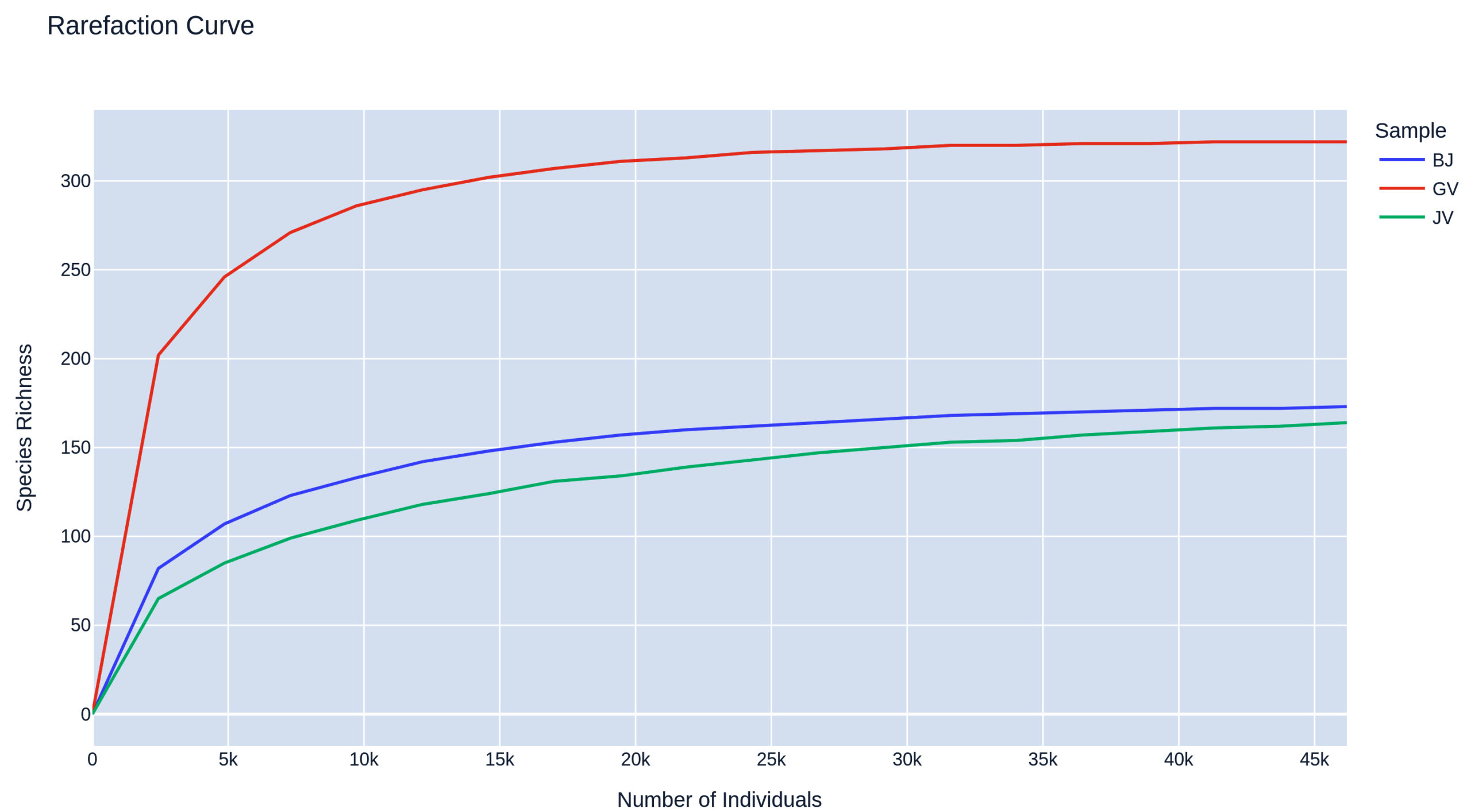
Figure 4. Rarefaction curve of different samples against sequencing depth
(a)
(b)
Figure 5. Alpha diversity indices (a) Shannon index and (b) Simpson index of microbes in natural farming inputs
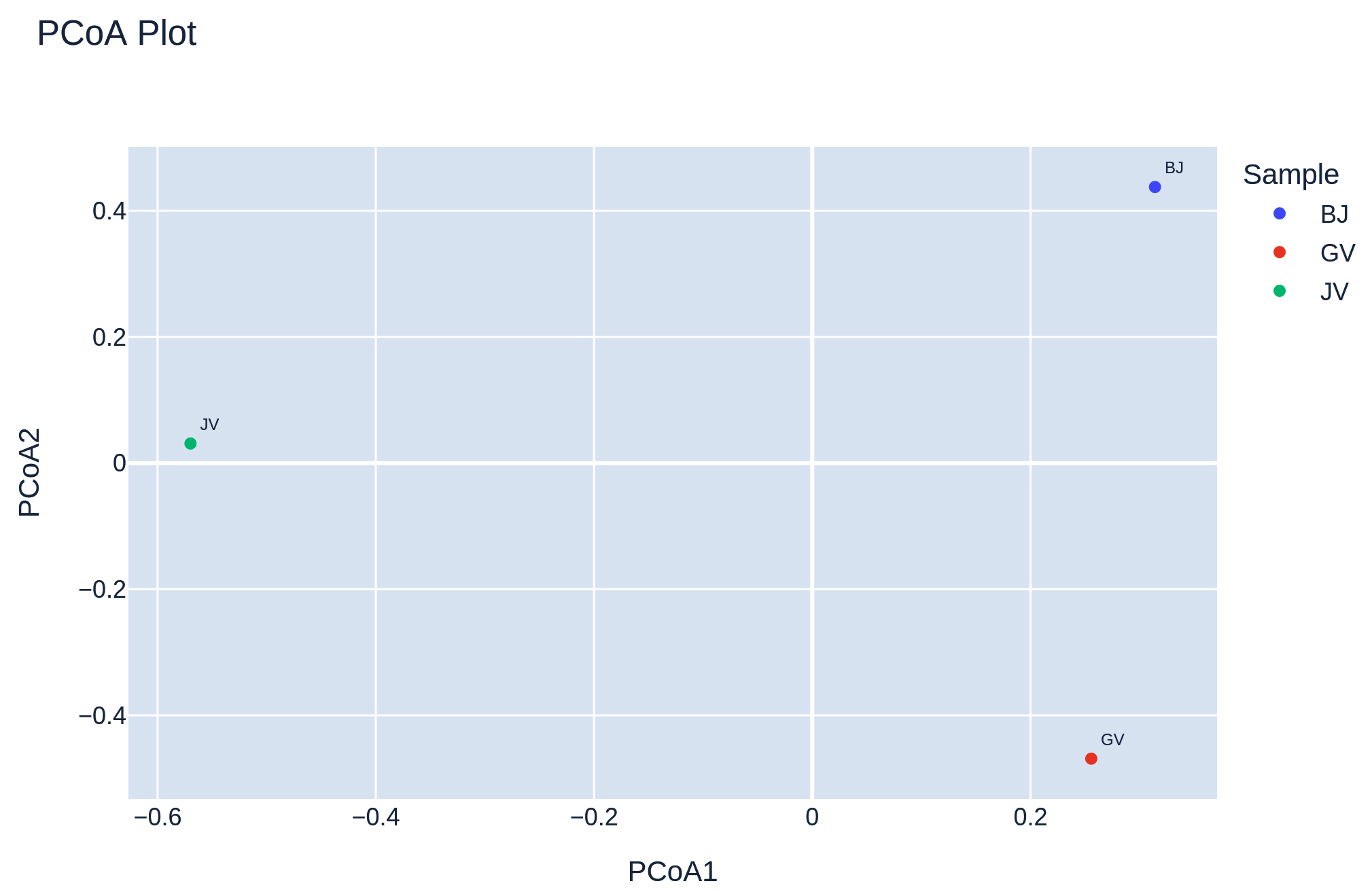
Figure 6. Beta diversity index of microbes in natural farming inputs
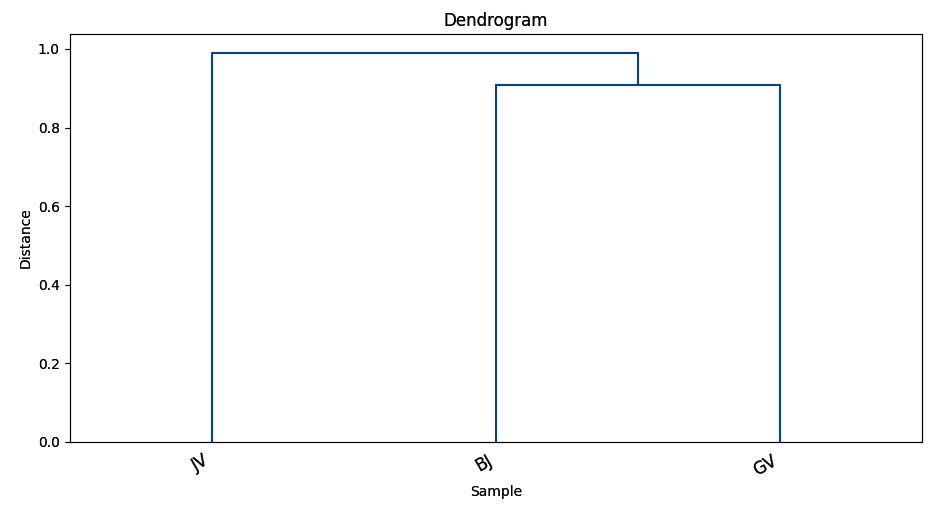
Figure 7. Clustering of the samples based on similarity in bacterial microbiome composition
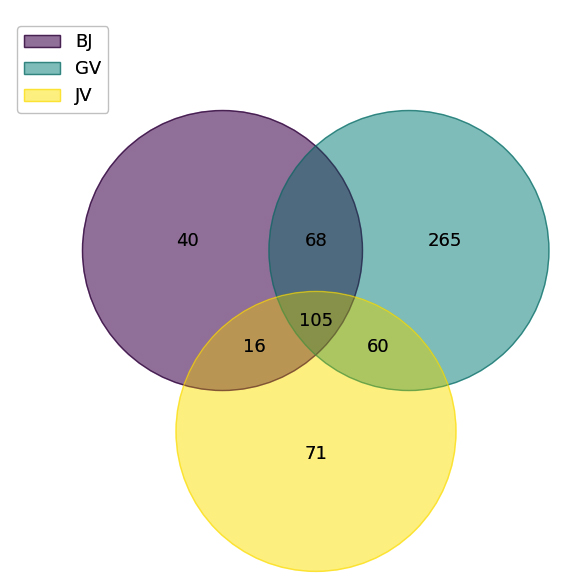
Figure 8. Overlapping and unique taxa of bacteria in natural farming inputs
Effect of natural and organic farming inputs on P solubilization by rhizosphere microbial community
P solubilization by mixed microbial community
Phosphorus solubilization by mixed community was higher than the bacterial community alone. Incubation time significantly affected P solubilization by microbes. Among different treatments, the highest P solubilization was recorded on 21 days of incubation in CONT (92.75 µg/mL) and NF (90.56 µg/mL) followed by CONT on 14 DAI (63.41 µg/mL) (Figure 9). Mean value of microbial P solubilization during 21 days incubation increased from 0.6 µg/mL on day 0-66 µg/mL on day 21. Among different treatments, the mean P solubilization by mixed microbial community was highest in NF (P < 0.05; 46.22 µg/mL) which was at par with CONT (P < 0.05; 45.48 µg/mL) followed by OF & ICM treatment and least in INORG soil (Figure 10). The pH of growth medium also decreased significantly with increase in incubation time. Effect of change in mean value of pH of medium in different soil was non-significant while with increase in incubation time, decrease in pH of medium was significant. The average pH of all the treatment was 6.2 at day 0 which decreased to 1.76 at 21 days of incubation. Mean pH during entire 21 day incubation was lowest in OF (3.05) followed by CON (3.09) and highest in NF (3.26) and INORG (3.22). The change in pH with incubation time is given in supplementary Table S1. The pH drop was highly correlated (-0.77) with amount of P solubilized. Treatment wise the highest mean P solubilization by mixed microbial community was observed in CONT and NF followed by OF and ICM and least in INORG.
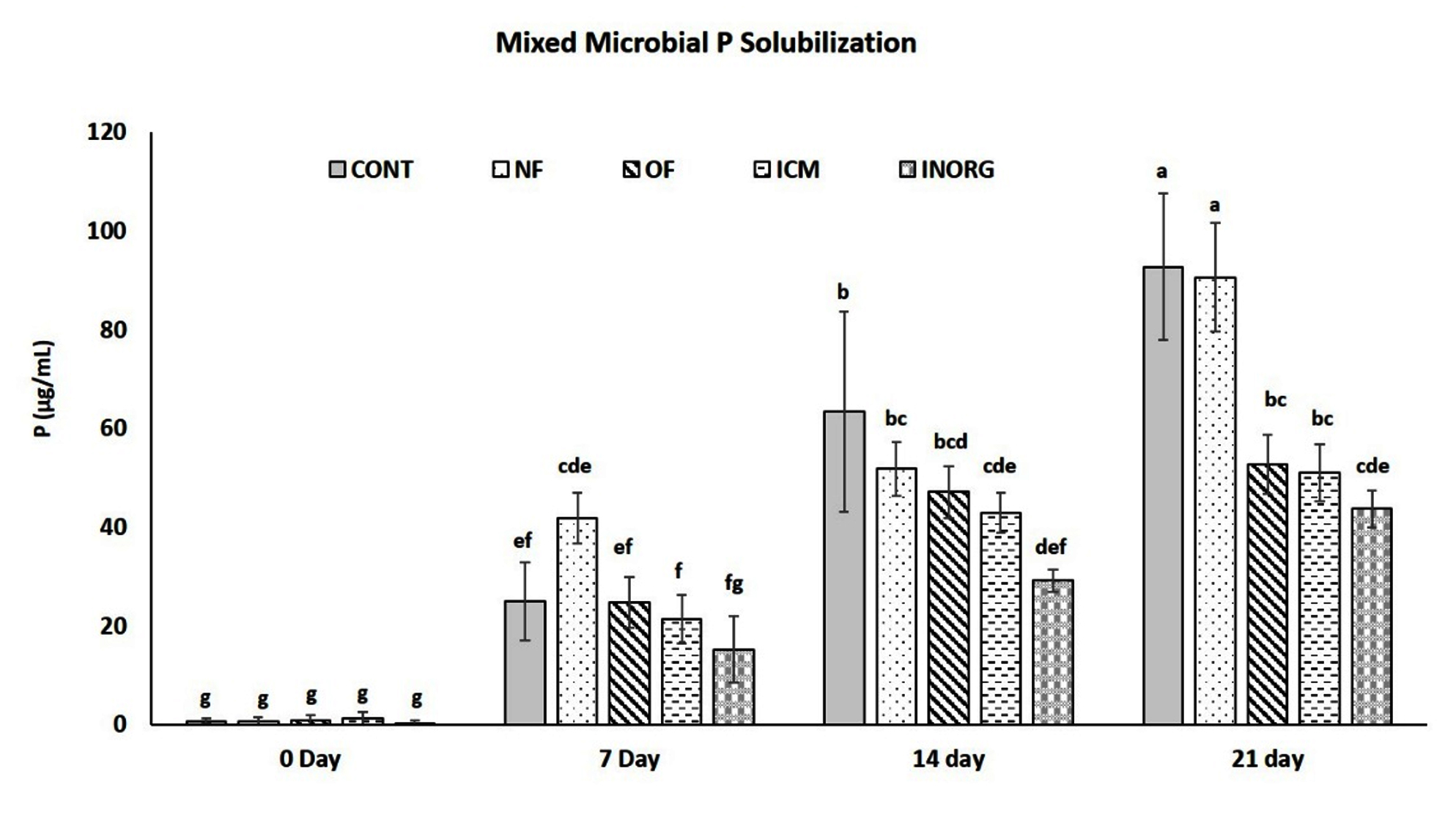
Figure 9. In vitro phosphorus solubilization by mixed microbial flora of wheat rhizosphere soil influenced by different nutrient management system and time of incubation
Error bar represents standard deviation of four replications. The bar bearing same alphabet are statistically non-significant as determined by one-way ANOVA with Fisher LSD test (P-value < 0.05)
CONT: Control; NF: Natural farming; OF: Organic farming; ICM: Integrated crop management and INORG: Inorganic nutrient management
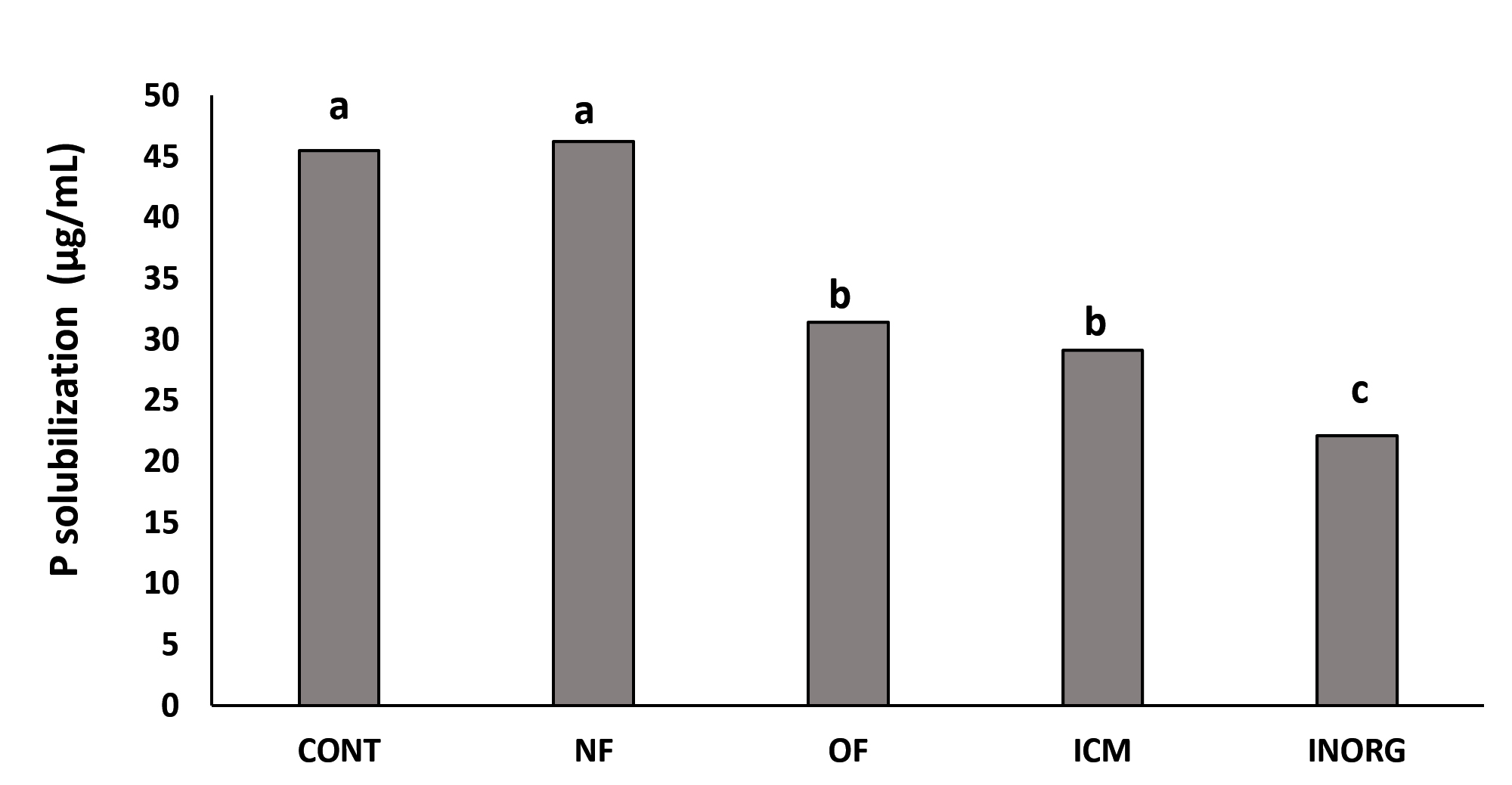
Figure 10. In Effect of nutrient management system on in vitro phosphorus solubilization by mixed microbial flora of wheat rhizosphere soil. The bar bearing same letter are statistically non-significant as determined by one-way ANOVA with Fisher LSD test (P-value < 0.05)
CONT: Control; NF: Natural farming; OF: Organic farming; ICM: Integrated crop management and INORG: Inorganic nutrient management. Error bar represents standard deviation of four replications.
P solubilization by bacterial community
In vitro phosphorus solubilization by soil bacterial community was highest in NF at 21 DAI (40.77 µg/mL) which was at par with ICM at 14 DAI (38.76 µg/mL) and ICM at 21 DAI (36.07 µg/mL) (Figure 11). Nutrient management and incubation time both significantly influenced the P solubilization by bacterial community. Bacterial P solubilization across the treatment increased from 1.96 µg/mL (day 0) to 33.69 µg/mL (day 21). The highest value of P solubilization by bacteria was observed in NF soil at day 21 while for OF and ICM, the P solubilization by bacteria increased up to 15 day and decreased thereafter. The pH of broth decreased from 7.04 on day 0 to 2.86 on day 21 due to bacterial growth and activity (Table S2). The effect of time on change in pH was significant while effect of treatment was non-significant. A very high correlation between P solubilized by bacterial community and decrease in medium pH (-0.92) was observed. Among different treatments, P solubilization by bacterial community was highest in OF, NF and ICM followed by CONT and least in INORG (Figure 12). Bacterial community contributed around 67% of P solubilized by mixed microbial community in OF, ICM and INORG treatment while in NF the contribution of bacterial community was 43% and in CONT 34% only (Figure 13).
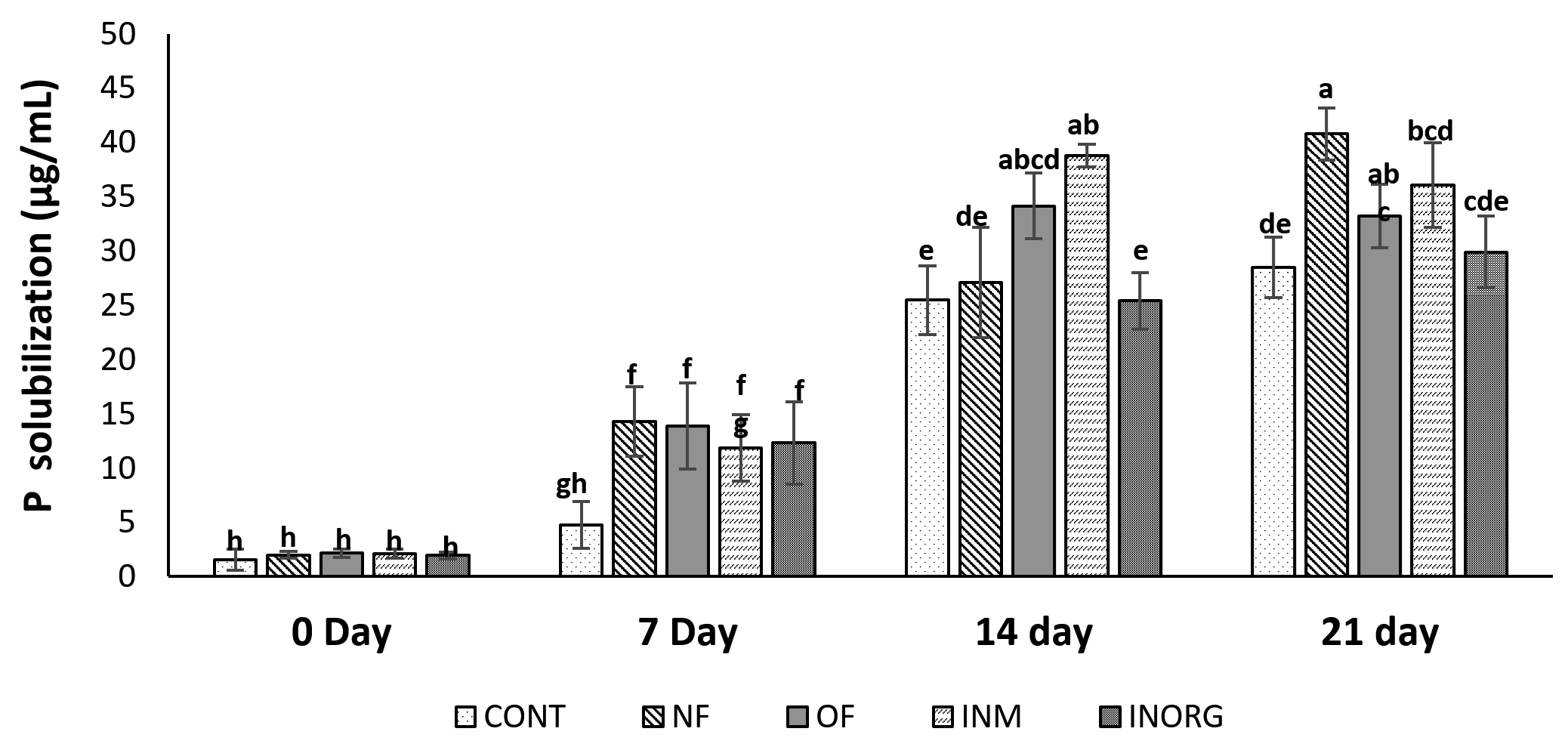
Figure 11. In vitro phosphorus solubilization by bacterial flora of wheat rhizosphere soil influenced by different nutrient management system and time of incubation. Error bar represents standard deviation of four replications. The bar bearing same letter are statistically non-significant as determined by one-way ANOVA with Fisher LSD test (P-value < 0.05)
CONT: Control; NF: Natural farming; OF: Organic farming; ICM: Integrated crop management and INORG: Inorganic nutrient management
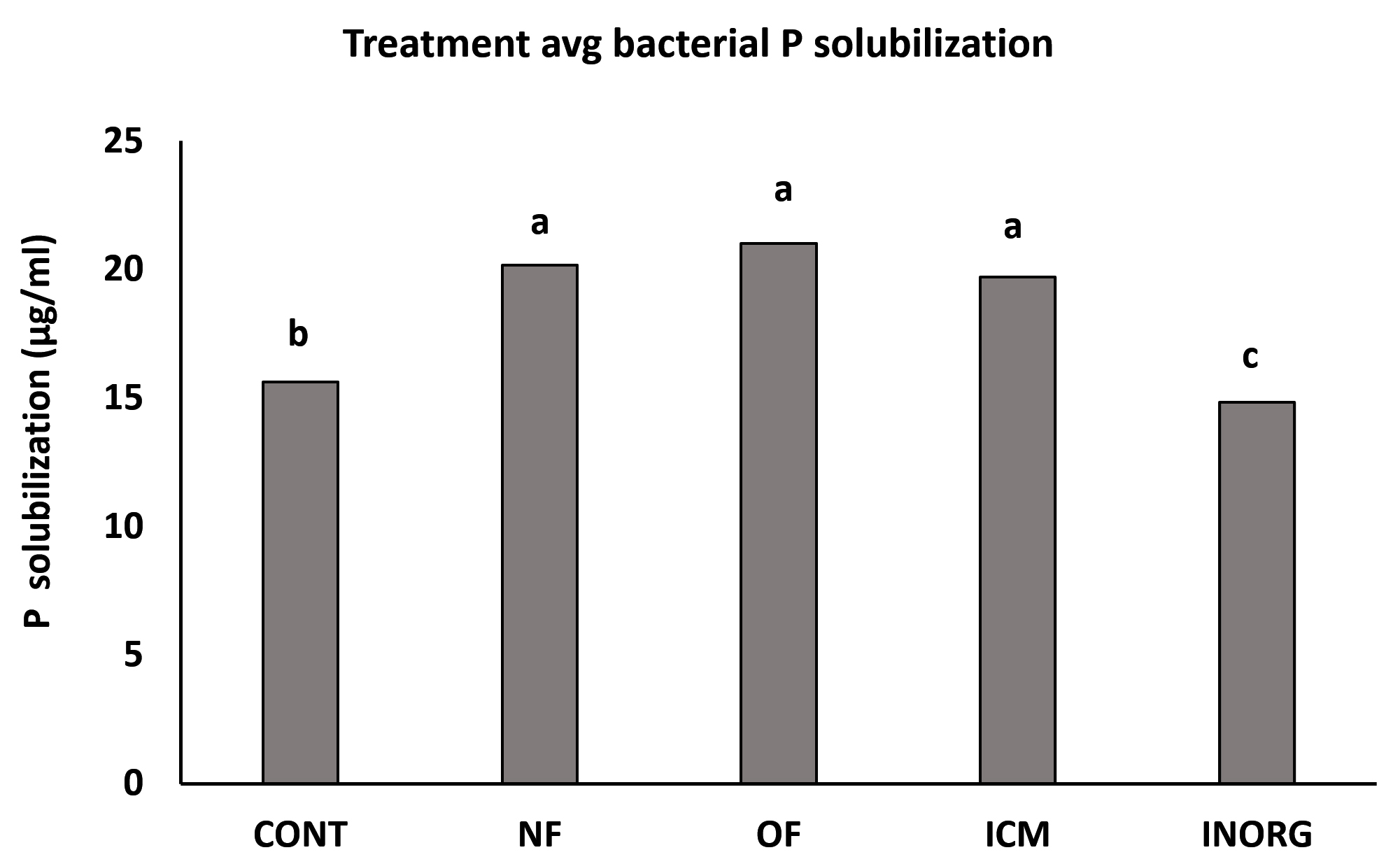
Figure 12. Effect of nutrient management on In vitro phosphorus solubilization by bacterial flora of wheat rhizosphere soil. The bar bearing same letter are statistically non-significant as determined by one-way ANOVA with Fisher LSD test (P-value < 0.05)
CONT: Control; NF: Natural farming; OF: Organic farming; ICM: Integrated crop management and INORG: Inorganic nutrient management
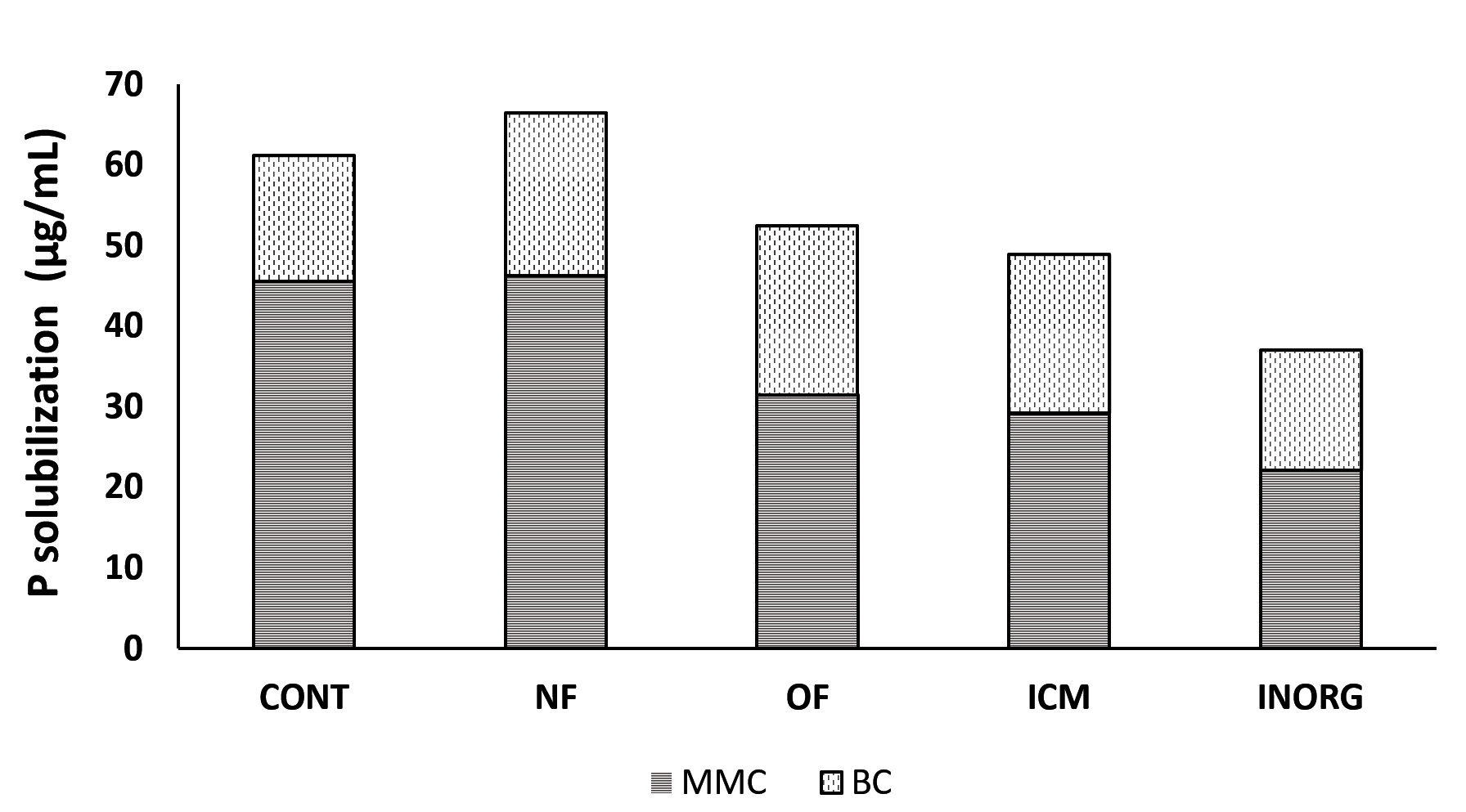
Figure 13. Contribution of mixed microbial community (MMC) and bacterial community (BC) from different nutrient management in P solubilization from aluminum phosphate in vitro
CONT: Control; NF: Natural farming; OF: Organic farming; ICM: Integrated crop management and INORG: Inorganic nutrient management
Microbes are driver of agroecosystem to carry out the nutrient transformation and make soil system productive. Organic farming and natural farming as a regenerative agricultural practice is widely being practiced in India. The benefit of organic farming practices on soil microbial diversity and soil health is well documented.8-10 Natural farming ingredients such as Beejamrit, Jeevamrit and Ghanajeevamrit are the preparation which is highly heterogeneous in nature and the chemical and microbial composition varies with the raw material used in their preparation, method of preparation and length of fermentation. In this study, plant nutrient content in Ghanajeevamrit was found to be higher than other two preparations i.e Beejamrit and Jeevamrit. These two preparations being fermented liquid prepared by diluting cattle dung in relatively higher quantity of water reduced the quantity of plant nutrient compared to solid preparation Ghanajeevamrit which is homologous to farmyards manure where nutrient gets concentrated after drying and loss of moisture during preparation. In earlier study also Ghanajeevamrit has been shown to contain higher plant nutrient compare to Beejamrit and Jeevamrit.1,11 Natural farming inputs have been proposed to catalyse microbial activity to improve nutrient cycling and soil health. Among three NF inputs, highest number and types of microbes was observed in Ghanajeevamrit whereas liquid preparations did not contain fungi and actinobacteria. Since liquid preparation constitute a diluted nutrient solution receiving bacterial inoculum from cattle dung and urine, it supported the growth of fast-growing heterotrophic bacteria depleting nutrient and oxygen promoting the growth of anaerobic bacteria and suppressing slow growing actinobacterial and aerobic fungi in Jeevamrit and Beejamrit. Metabarcoding study also revealed the higher bacterial diversity in Ghanajeevamrit compared to other two preparations. Presence of Oligella Alcaligenes, Sedimentibacter, Anaerocella, Aliarcobacter, Acinetobacter predominantly in Beejamrit can be related with raw material used in their preparation. Alcaligenes common bacterium found in soil, water, gut of vertebrates and other environmental.12 Frequently they have been found as few species of Alcaligenes (A. faecalis) can fix nitrogen and possess bio-remediation potential and biocontrol activity due to production of antimicrobial compounds.13 Panchal et al.14 reported abundance of Oligella in Beejamrit supporting this finding. The organism can produce urease enzyme to hydrolyse urea into ammonia and carbon dioxide thus raising the pH. Sedimentibacter, Anaerocella, Aliarcobacter, Acinetobacter are frequently been associated with ruminant gut and farm waste materials15-18 which were used in preparation of Beejamrit. Beejamrit is used as seed treatment to protect the seed and seedlings from rotting by soil borne pathogens. Alkaline pH of Beejamrit (Table 2) due to lime addition during preparation and microbiological break down of cow urine evolved ammonia which could protects the seed from fungal attack in soil. To test it, we added a few drops of Nessler’s reagent to Beejamrit, and observed brown precipitate formation indicating ammonia production (Figure 14). Production of ammonia is well documented as PGPR attribute for protecting the plant against pathogen. Ammonia production in rhizosphere inhibits the conidial germination of fungi, induces protein misfolding and triggers the endoplasmic reticulum stress19 thus may reduce the incidence of soil borne fungal plant pathogens. Although, Jeevamrit also used cattle dung and urine as ingredient but with increase in length of fermentation during Jeevamrit preparation and addition of materials like jaggery and pulse flour led to dominance of Lactococcus, Clostridium, Lacticaseibacillus, Acetobacter and Aeromonas. These microbes are sourced from air and as a result of utilization of added sugar (jaggery) and pulse flour, acid production by Lactococcus and Acetobacter the pH of Jeevamrit dropped to acidic range observe during chemical analysis. Gajjar et al.20 analysed the samples of Jeevamrit and detected dominance of Lactiplantibacillus Clostridium sp., Lactobacillus and Acetobacter which supports our finding. Similarly, presence of Flavobacterium, Hydrogenophaga, Pseudomonas, Arenimonas, Aggregatilinea, Lentimicrobium, Aurantiacibacter can be related with the raw ingredients used and also many others entered from open air and enriched in due course of fermentation. Flavobacterium belongs to Bacteroidetes, abundantly found in soils with cow manure fertilization21 and higher count of Hydrogenophaga upon digesting cow manure and wheat stalk reported by Hao et al.,22 supports the finding. All these preparations constituted a rich microbial inoculum for encouraging soil microbial processes. These bacteria are known for their role in decomposition, nutrient cycling, and beneficially influencing plant health and disease suppression. Functional analysis predicted based on the soil metagenome analysis through KEGG pathway showed highest abundance of genes related to metabolism of carbohydrates, amino acids, cofactors and vitamins followed by genetic information processing and cellular processes in all these three preparations (Figures 15, 16 and 17).
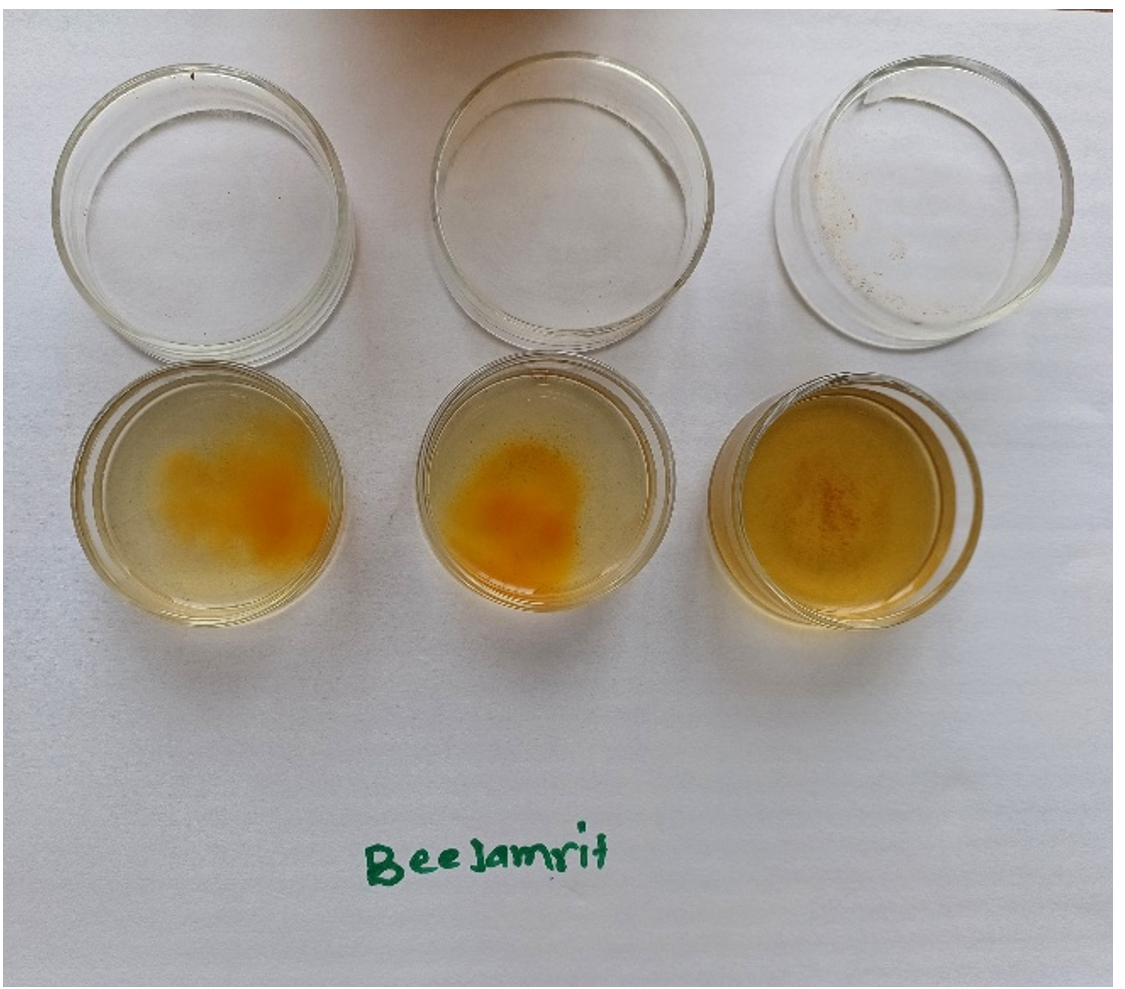 Figure 14. Detection of ammonia production in natural farming input Beejamrit (A brown precipitate forms due to reaction of Nessler’s reagent with ammonia in solution)
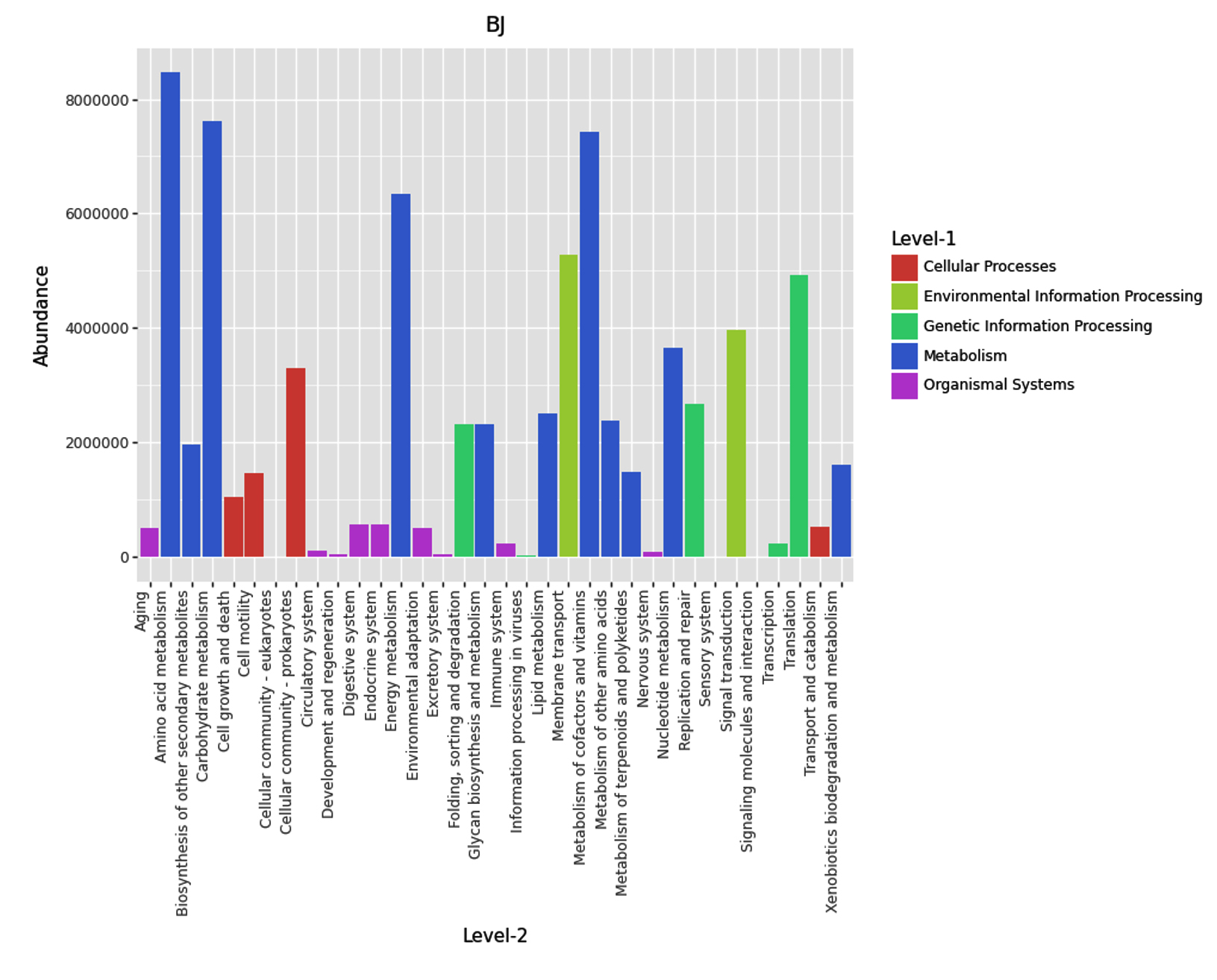 Figure 15. Prediction of functional pathway and cellular network from genomic data of Beejamrit metagenome
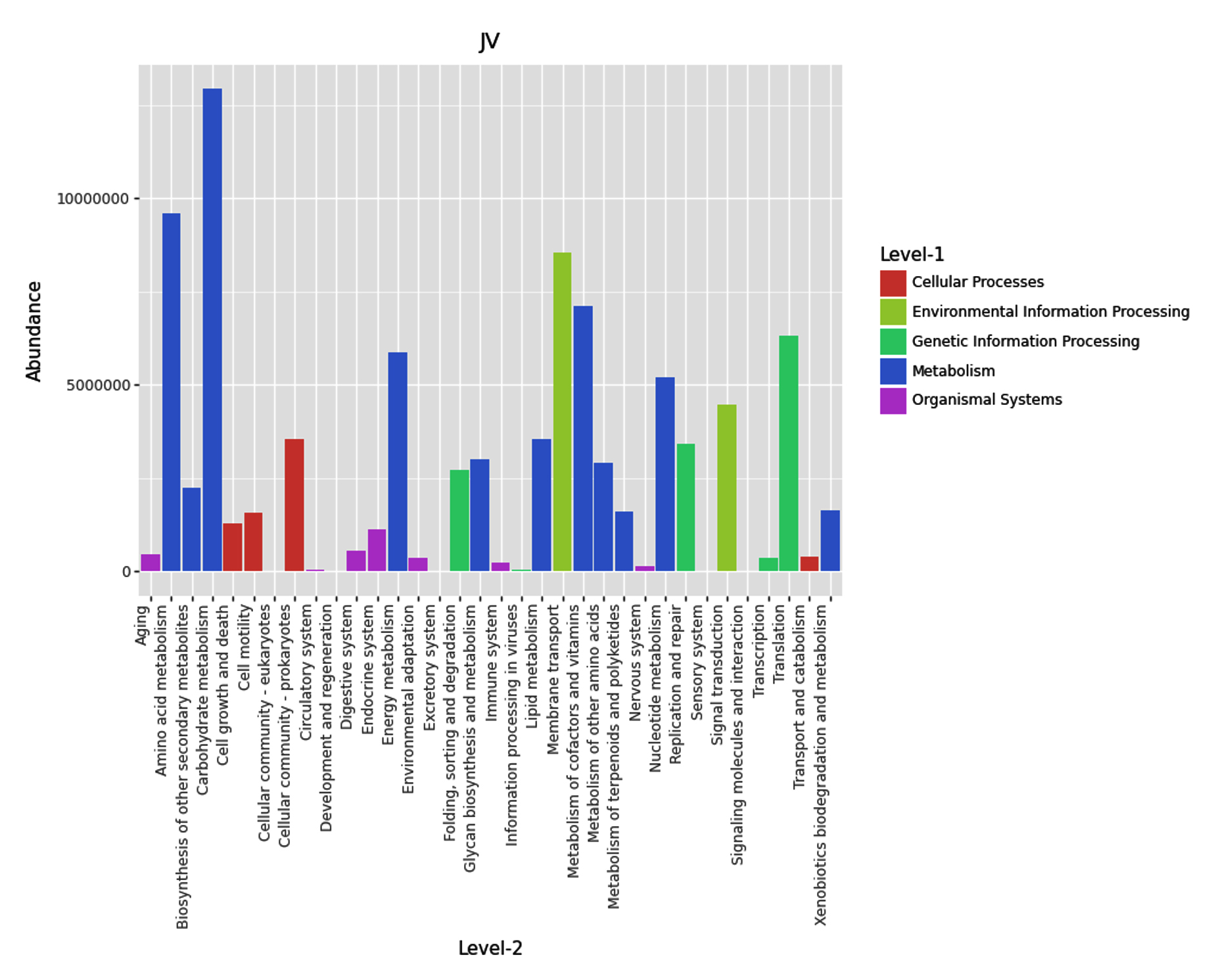 Figure 16. Prediction of functional pathway and cellular network from genomic data of Jeevamrit bacterial metagenome
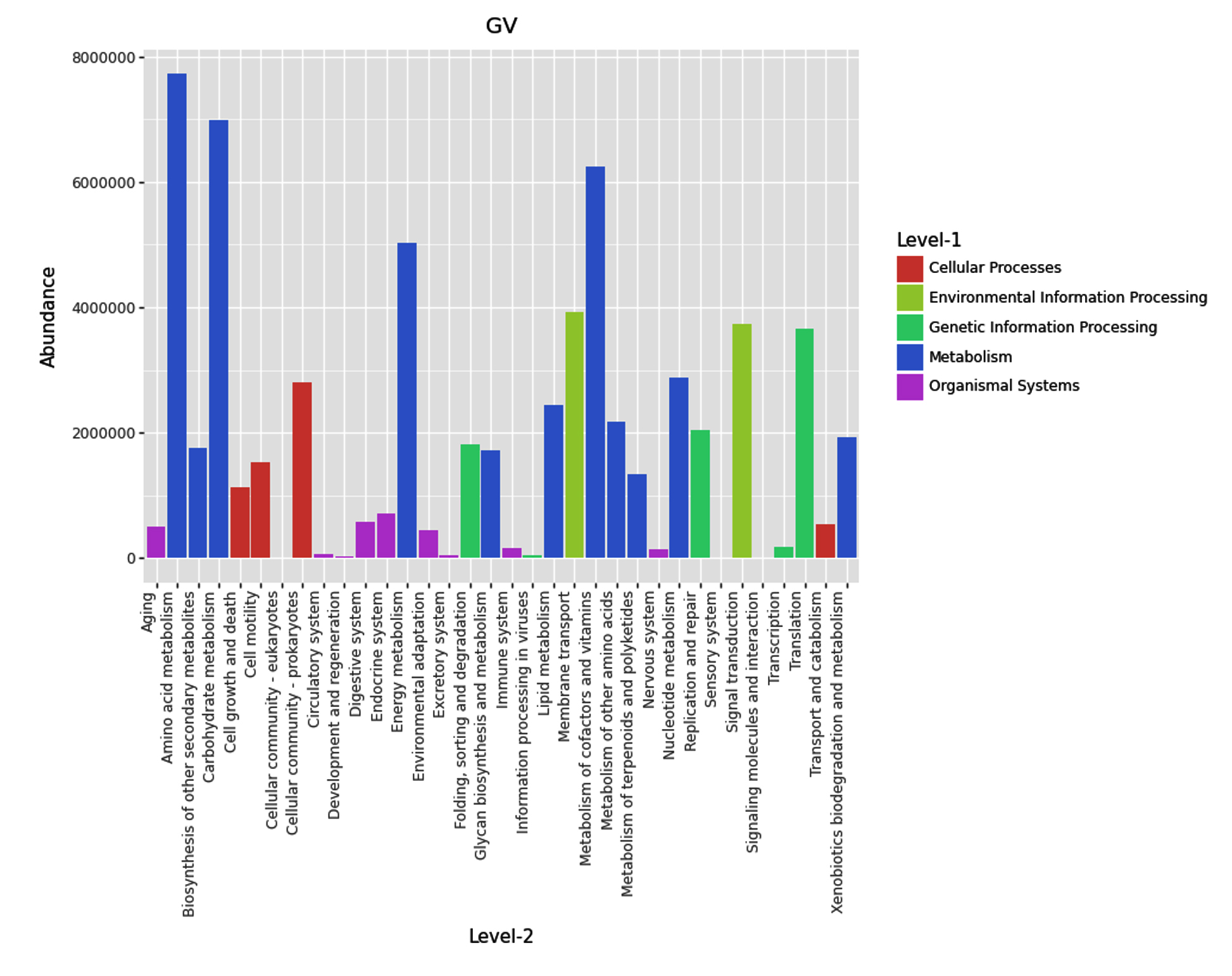 Figure 17. Prediction of functional pathway and cellular network from genomic data of Jeevamrit bacterial metagenome.
The KEGG pathway showed greater abundance of genes related to carbohydrate, amino acid and nucleotide metabolism in natural farming inputs contributing to nutrient such as N and P cycling.
Contribution of different uncultured soil microbes in in-vitro Al-Phosphate solubilization
Phosphorus (P) is a major plant nutrient after nitrogen which affects plant growth and productivity. Microbial P solubilization using phosphorus solubilizing bacteria is an effective strategy to utilized the fixed soil phosphorus which has been harnessed in crop husbandry very often. A significant number of soil bacterial are capable of P solubilization in rhizosphere however their population and efficacy maybe influenced by nutrient management practices. The amount of P made available to the plant is determined by what has been left after utilization by different soil microflora and fauna. Thus, to determine actual efficiency of P solubilization by rhizosphere microbes, a relatively recalcitrant P source i.e aluminium phosphate was chosen and direct rhizosphere soil rather than pure culture was used as inoculum for in vitro P solubilization efficiency determination by mixed microbial community. The medium was made selective also to determine the contribution of bacteria in P solubilization in relation to total microbial P solubilization. Among different treatments and incubation time, the highest P solubilization by mixed microbial community was observed in CONT and NF treatment at 21 days of incubation. Unlike other treatments, control (CONT) and natural farming (NF) soil received no exogenous P source in field hence microbes in the soil were adapted to extract fixed soil phosphorus more efficiently than the soils receiving exogenous P as fertilizer or rock minerals. Among different treatments, bacterial P solubilization was quantitatively higher in OF, NF and ICM compared to CONT. These treatments were supplied with higher quantity of carbon sourced in the form of vermicompost and Ghanajeevamrit. These organic nutrient sources supported higher bacterial population to solubilize P in medium. Singh et al.,23 showed lower soil microbial activity in soil not receiving any exogenous nutrient source (Control) and higher count of P solubilizing bacteria in vermicompost and FYM,11 possibly contributed to more P solubilization by bacteria under ICM and OF soil compared to other treatments supporting our finding. Nevertheless, the contribution of bacteria to total microbial P solubilization varied with treatment. The highest contribution of bacteria in total microbial P solubilization was found in ICM (67.6%), INORG (67.05%), OF (66.99%) followed by NF (43.62%) and least in CONT (34.36%). Lower contribution of bacterial P solubilization to total in CONT and NF indicates dominant role of fungi in these two treatments. Functional diversity of soil microbes varies with cropping system, tillage practices and level of fertilizers applied.24 Also, change in edaphic properties and land use influences composition of microbes in rhizosphere and endorhizosphere which bring change in P solubilizing ability by rhizosphere community.25 Proportion of different group of microbes particularly bacteria and fungi might greatly involve in functional attribute such as P solubilization by rhizosphere community. With increase in incubation time, organic acid production by microbes increased as evidenced by remarkable decrease in pH across the treatments which can be attributed to increase in P solubilization with time. P solubilization through organic acids production is well documented mechanism by soil microbes.26 The solubilization ability is not only influenced by quantity of organic acid produced by the organisms but also types of organic acid produced27 for effective release of phosphorus ions from inorganic phosphates. Microbes present in composts, Jeevamrit and Ghanajeevamrit such as Lactiplantibacillus, Flavobacterium, Pseudomonas, Acetobacter, Alcaligenes etc are documented for P solubilization20 through production of various organic acids and phosphatases. There has been drastic reduction in pH of broth during incubation indicating P solubilization due to organic acid production (Supplementary Tables S1 and S2). Enrichment of these genera organisms through addition of organic and natural farming inputs contributed to higher P solubilizing ability of these soils.
In present study we characterized natural farming inputs Beejamrit, Jeevamrit and Ghanajeevamrit for its plant nutrient content and microbial composition estimated using cultural and high throughput metagenomic approach. Among three natural farming inputs, the Ghanajeevamrit contained higher amount of plant nutrient and culturable microbial flora. Bacillota was dominant bacterial phyla in Jeevamrit while representative from Pseudomonadota was more abundant in Beejamrit and Ghanajeevamrit. In vitro P solubilization by mixed rhizosphere microbial community was higher in control and natural farming soil whereas bacterial P solubilization was quantitatively higher Organic farming, Natural farming and integrated crop management system. Organisms such as Lactiplantibacillus, Flavobacterium, Pseudomonas, Acetobacter, Alcaligenes present in natural farming preparations contribute the nutrient cycling and P solubilization. The study indicated higher efficiency of soil microbes in low inputs managements system such as organic and natural farming. Due to exogenous addition of substrate as well as inoculum in these systems, they augment functional diversity of soil and hence should be integrated with existing agricultural practices.
Additional file: Table S1-S2.
ACKNOWLEDGMENTS
The authors acknowledge the Indian Council of Agricultural Research (ICAR) and the Indian Institute of Soil Science, Bhopal, for providing the necessary infrastructure to carry out the research. The authors also acknowledge the support from AINPNF, IIFSR Modipuram, for establishing an experimental field trial for the study.
CONFLICT OF INTEREST
The authors declare that there is no conflict of interest.
AUTHORS’ CONTRIBUTION
NR, KB, SRM, AKP and MM conceptualized the study, performed administration and supervision. JKT, NKS, PJ, BPM, RE, RM and AD performed field experiments, sampling and analysis of soil parameters. AM, JK, SB, JS, PK wrote the manuscript. PK reviewed and revised the manuscript. All authors read and approved the final manuscript for publication.
FUNDING
This study was funded by Anusandhan National Research Foundation (ANRF), Core Research Grant Scheme (File No. CRG/2023/003285) of Govt of India.
DATA AVAILABILITY
All datasets generated or analyzed during this study are included in the manuscript and/or in the supplementary files.
ETHICS STATEMENT
This article does not contain any studies on human participants or animals performed by any of the authors.
- Ravisankar N, Praveen Rao V, Thakur JK, et al. Science of Natural Farming: Proven Practices and their Role in Soil Health and Sustainability. J Indian Soc Soil Sci. 2024;72(4S): 151-167.
Crossref - Amat D, Thakur JK, Mandal A, Reddy KK, Das A, Patra AK. Long-term application of compost influences soil and root microbial communities under diverse rice-based cropping systems, In: Thatoi H, Pradhan HK, Kumar U, eds., Applications of Metagenomics. Academic Press 2024:89-100.
Crossref - Pan L, Cai B. Phosphate-solubilizing bacteria: advances in their physiology, molecular mechanisms and microbial community effects. Microorganisms. 2023;11(12):2904.
Crossref - Adnan M, Fahad S, Saleem MH, et al. Comparative efficacy of phosphorous supplements with phosphate solubilizing bacteria for optimizing wheat yield in calcareous soils. Sci Rep 2022;12(1):11997.
Crossref - Shanmuganandam S, Schwessinger B, Hall R, Library preparation protocol to sequence V3-V4 region of 16S rRNA to run in Illumina MiSeq platform. Protocols.Io. 2019.
Crossref - Nautiyal CS. An efficient microbiological growth medium for screening phosphate solubilizing microorganisms. FEMS Microbiol Lett1999;170(1)265-270.
Crossref - Jackson ML. Soil chemical analysis Englewood cliffs, NT Prentice Hall Inc, 1958;85(3):251-252.
- Aher SB, Lakaria BL, Kaleshananda S, et al. Soil microbial population and enzyme activities under organic, biodynamic and conventional agriculture in semi-arid tropical conditions of central India. J Exp Biol Agric Sci. 2018;6(5):763-773.
Crossref - Manna MC, Rahman MM, Naidu R, et al. Organic farming: A prospect for food, environment and livelihood security in Indian agriculture. Adv Agron. 2021;170:101-153.
Crossref - Wen Y, Yao W, Yu T, et al. Long-term organic farming improves the red soil quality and microbial diversity in subtropics. Agric Ecosyst Environ. 2025;381:109410.
Crossref - Singh S, Singh AB, Mandal A, et al. Chemical and microbiological characterization of organic supplements and compost used in agriculture. Emergent Life Sci Res. 2023;9(2):234-244.
Crossref - El-Sayed SE, Abdelaziz NA, Alshahrani MY, El-Housseiny GS, Aboshanab KM. Biologically active metabolites of Alcaligenes faecalis: diversity, statistical optimization, and future perspectives. Future Science OA.2024;10(1):2430452.
Crossref - Ray RR, Pattnaik S, Alcaligenes faecalis: A bacterium for sustainable management of environment. Environ Qual Manage.2024;34(1):22189.
Crossref - Panchal D, Gajjar K. Chaudhary M, et al. Microbial and Metabolite Profiling Reveal the Composition of Beejamrit: A Bioformulation for Seed Treatment in Sustainable Agriculture. Agriculture. 2026;16(1):133.
Crossref - Dowd SE, Callaway TR, Wolcott RD, et al. Evaluation of the bacterial diversity in the feces of cattle using 16S rDNA bacterial tag-encoded FLX amplicon pyrosequencing (bTEFAP). BMC Microbiol. 2008;8(1):125.
Crossref - Abe K, Ueki A, Ohtaki Y, Kaku N, Watanabe K, Ueki K. Anaerocella delicata gen. nov., sp. nov., a strictly anaerobic bacterium in the phylum Bacteroidetes isolated from a methanogenic reactor of cattle farms. J Gen Appl Microbiol. 2012;58(6):405-412.
Crossref - Cַelik C, Pinar O, Sipahi N, The prevalence of Aliarcobacter species in the fecal microbiota of farm animals and potential effective agents for their treatment: a review of the past decade. Microorganisms.2022;10(12):2430.
Crossref - Perez-Valera E, de Melo Rangel W, Elhottova D, Cattle manure application triggers short-term dominance of Acinetobacter in soil microbial communities. Appl Soil Ecol. 2022;176:104466.
Crossref - Liu T, Long X, Zhou JP, et al. Fungistatic mechanism of ammonia against nematode-trapping fungus Arthrobotrys oligospora, and strategy for this fungus to survive ammonia. mSystems.2021;6(5):10-1128.
Crossref - Gajjar K, Panchal D, Chaudhary M. et al. Multi-omics characterization of microbial and metabolite profiles of Jeevamrit and Ghanjeevamrit cow-based bioformulations used in sustainable agriculture. Sci Rep. 2026;16(1):20444.
Crossref - Zhang S, Sun L, Wang Y, et al. Cow manure application effectively regulates the soil bacterial community in tea plantation. BMC Microbiol.2020;20(1)190.
Crossref - Hao J, Jia S, Sun H, et al. Effects of cow manure ratios on methane production and microbial community evolution in anaerobic co-digestion with different crop wastes. Int J Agric Bio Eng. 2022;15(5):219-228.
- Singh S, Singh AB, Mandal A, et al. Response of nature-based and organic farming practices on soil chemical, biological properties and crop physiological attributes under soybean in vertisols of central India. Eurasian Soil Sci. 2024;57(7):1244-1260.
Crossref - Thakur JK, Sinha NK, Mohanty M, et al. Functional diversity of soil microbes influenced by long term contrasting tillage, nitrogen level and cropping system. Eurasian Soil Sci.2025;58(11):144.
Crossref - Thakur JK, Mandal A, Sinha NK, et al. Culturable diversity of endophytic and rhizoplane colonizing bacteria of Indian Mustard (Brassica juncea (L.) Czern & Coss), affected by soil types and assessment of plant growth promoting attributes. Geomicrobiol J. 2024;41(5):568-576.
Crossref - Baghel V, Thakur JK, Yadav SS, et al. Phosphorus and potassium solubilization from rock minerals by endophytic Burkholderia sp. strain FDN2-1 in soil and shift in diversity of bacterial endophytes of corn root tissue with crop growth stage. Geomicrobiol J. 2020;37(6):550-563.
Crossref - Vassileva M, Mendes GDO, Deriu MA, et al. Fungi, P-solubilization, and plant nutrition. Microorganisms.2022;10(9):1716.
Crossref
© The Author(s) 2026. Open Access. This article is distributed under the terms of the Creative Commons Attribution 4.0 International License which permits unrestricted use, sharing, distribution, and reproduction in any medium, provided you give appropriate credit to the original author(s) and the source, provide a link to the Creative Commons license, and indicate if changes were made.