

 , Namarta Gupta1, Pratibha Vyas2, Ruchika Bhardwaj3, Meenakshi Goyal3 and Gagandeep Kaur1
Millets are an abundant source of micronutrients with great variability and are known as Miracle Grains/Nutri-cereals. Biofortification by plant growth promoting bacteria in millet cultivars with increased levels of iron (Fe) and zinc (Zn) can significantly reduce the prevalence of their deficiencies which are common in developing countries that rely mostly on cereals for their nutritional needs and dietary energy. This paper reviews the importance of PGPR in enhancing the availability of zinc and iron in millets through mineral solubilization via siderophore production. This results in acidification of soil by releasing organic acids that binds to cations thus making them available to the plant.
Biofortification, Iron, Millets, Plant Growth Promoting Rhizobacteria (PGPR), Zinc
Millets were consumed as the first cereal grain for domestic purposes and are also called as “Miracle grains/Nutri-cereals.1 They are primarily cultivated in areas with less fertile soil and under farming conditions where the main cereals do not produce significant harvests.2 They are small seeded rain-fed grasses and are grown in dry areas, under marginal conditions of soil fertility and moisture. Human health is dependent on the nutritional quality of food. However, many agricultural foods are not considered as primary human food sources because of knowledge gap. Millets fall into this category. They are primarily used for animal and bird feed but they are considered as high quality nutritional food and also help in maintaining healthy life.2 Many nutritional and health benefits are attributed to the millets which are underutilized and overlooked due to a lack of awareness among the public and several challenges such as poor cooking quality, undesirable taste, and low nutritional absorption. These issues can be addressed to render millets a valuable food source for poor families and can increment their income besides overcoming malnutrition.2 Besides being enriched in carbohydrates and proteins, the health promoting properties of millets may be due to important phytochemical, vitamins and micronutrients present in them.3-5 Millets are beneficial for nutraceutical value and are known to reduce cholesterol, prevent heart disease, diabetes and cancer they also improve the muscular health and energy levels.6 Millets are the houses of multi nutrition hence they are consumed as a solution for hidden hunger and are therefore known as ‘nutricereal’. Millets also contain amino acids with a relatively high amount of methionine and the least amount of threonine.7 Some major millets also possess antioxidant properties such as foxtail millet and proso millet, they harbor tocopherols and polyphenolics.4 Although all varieties of millets are beneficial for human consumption but they vary at their nutritional level.8 Millets such as Jowar (sorghum), Bajra (pearl), Ragi (finger), little millet (Figure 1) are low-glycemic, making them ideal for diabetes, managing blood sugar, and improving gut health.
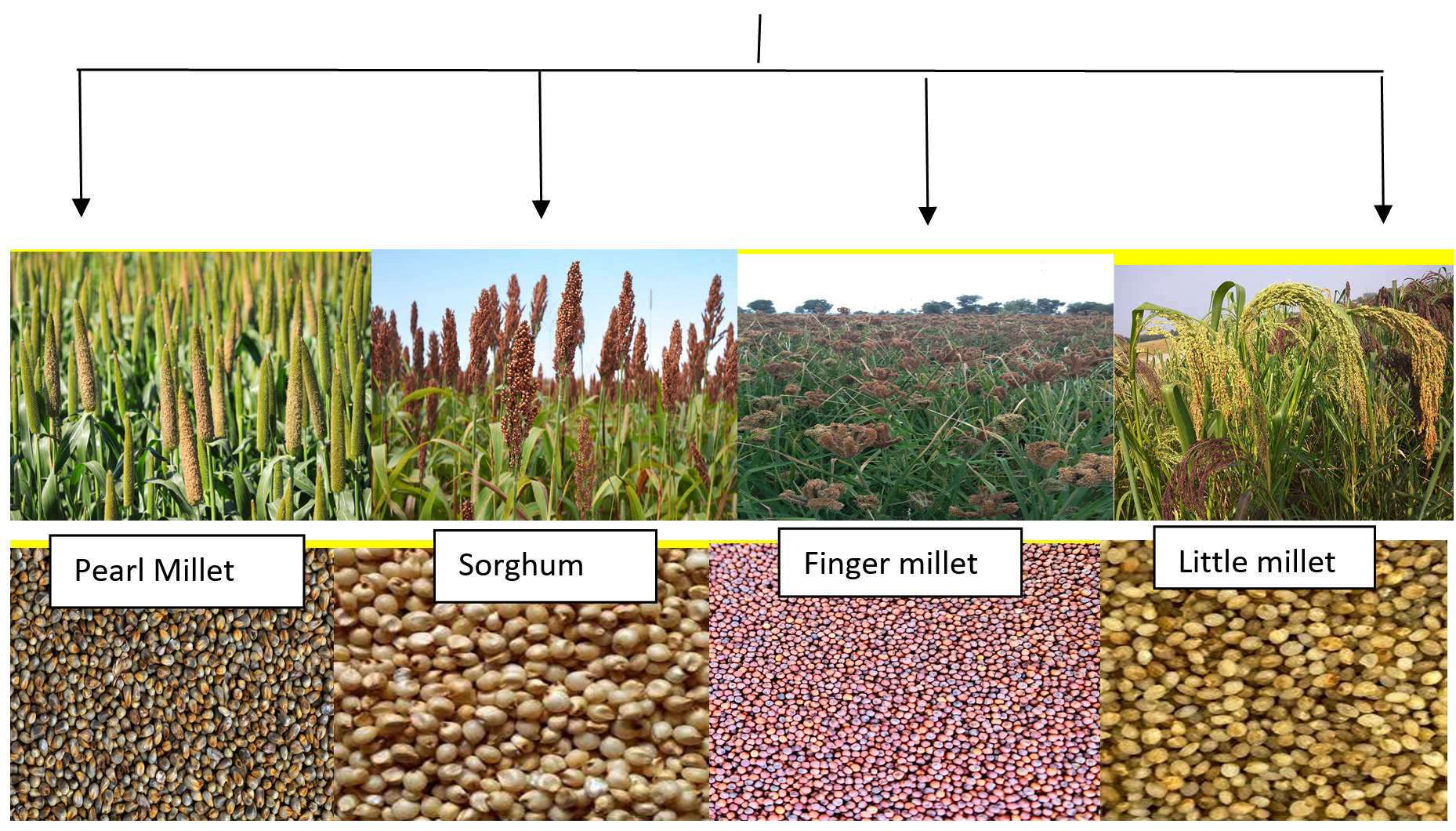
Figure 1. Common types of millets10
Pearl millet
Pearl millet is the most affordable source of energy, protein, iron, and zinc.9 Despite its worth and impact, pearl millet is often overlooked as a crop that plays a significant role in ensuring food security.6 Pearl millet is both nutritious and tasty, and it thrives in dry conditions and low-quality soil. However, it responds well with careful management and higher levels of fertility. It is a crop that can offer both nutritional value and financial benefits to small-scale farmers, therefore supporting livelihoods and food availability. Globally, pearl millet is ranked as the sixth among the cereals. In India, pearl millet also has high demand and is considered an important crop which flourish well under adverse environmental conditions.9
Finger millet
One of the staple foods in Asian and African countries includes finger millet.11 It is grown worldwide, producing approximately 4.5 Mmt. In production India (1.2 million metric tons) ranks second followed by Africa (2.5 million metric tons). It can thrive in diverse agricultural and weather conditions. It is more nutrient-dense compared to other cereals, as it contains high levels of carbohydrates, essential amino acids, vitamins, iron, zinc and other nutrients. They are also rich in calcium and polyphenols. The food made from finger millet has easily digestible nutrients, makes a common choice for diabetic patients, pregnant and breastfeeding women.11 It can be used in food as porridge or as sprouted grains and is can also be used in bakery.3
Sorghum
Sorghum is a king of millets and is grown in arid and semi-arid areas. it is used as staple food and ranks fourth among cereal crops. In many countries most of the harvest is used for food purposes. Sorghum is more resilient to drought, soil toxicities, and temperature changes compared to other grains. It also needs less fertilizer to grow, making it crucial for ensuring food security in semi-arid regions of Asia, Africa, and Latin America.12 It is good source of iron and zinc in the diet but its level is required to be increased in order to fulfill nutritional needs.13 Micronutrient deficiency in developing countries is caused by a lack of essential elements in staple foods.14 Sorghum is valued for its grains, stalks, and leaves, serving as feed for animals apart from humans.15
Little millet
Little millet is often referred to as “miracle grains/nutri-cereals” due to its superior nutritional content compared to other cereals. It can thrive in various conditions, particularly dry and semi-arid agricultural environments susceptible to drought. It has great potential to enhance food security on a large scale. It contains essential mineral nutrients (iron, zinc, calcium, potassium, and phosphorus) and can be used to reduce deficiencies of iron and zinc.1 Genotypes of little millet have a increased concentration of these mineral nutrient, but there is a need for more detailed information on this matter. Therefore, it is necessary to characterize the genotypes according to their levels of iron and zinc.16
Hidden Hunger
Micronutrients like Mn (manganese), Mo, B, Fe, Cu, and Zn are important for development of plants, human and livestock.17 They are important in plant nutrition via serving as cofactors in various metabolic reactions. Insufficient intake of any of these nutrients can cause negative metabolic issues, resulting in illness, reduced health, hindered growth in children, and significant financial burdens on society.9 Their deficiencies are significant global health issue. Deficiency of micronutrient is also known as ‘Hidden hunger’. It is caused due to inadequate availability of vitamins and minerals in diet.18 A lack of micronutrients, specifically iron and zinc, in the diet is impacting a large population of world.18 Iron deficiency is the most common nutritional issue. It mostly affects children’s ability to learn and their physical and mental growth.19 Micronutrient deficiency primarily impacts women and children. Approximately 45% of deaths in children under the age of 5 are attributed to deficiency of micronutrient.20
Role of zinc in plants
Zinc is a vital micronutrient necessary in micro quantities for growth and development of plants and humans. Zinc in crop plants is an essential antioxidant that is crucial for carbohydrate and auxin metabolism, as well as act as an powerful antioxidant (Table 1). Zn-finger transcription factors play a crucial role in the regular growth of flower tissues, the process of flowering, fertilization, and fruit production.21 Zn plays an important role in cellular functioning, including division of cell, differentiation, growth, and transport system in the cell, immunological and endocrine systems, transcription, biosynthesis of nucleic acids as well as proteins.11 Zinc has an important role in various metabolic functions in plants, viz. membrane stability, structure and activity of enzymes, DNA replication, translation and oxidative reactions. Several important enzymes, such as hydrogenase, carbonic anhydrase, copper/zinc superoxide dismutase (SOD), and RNA polymerase, need zinc for their activity.22
Zinc deficiency in humans and plants
Zinc is a vital component of the human diet because of its essential role in biological processes. Furthermore, it is essential for the growth from prenatal period till the adolescence. A lack of zinc can increase the chances of various diseases and negative effects on bodily functions such as vision loss, decline in cognitive abilities, reduced IQ, growth impairment, premature birth, and higher susceptibility to infections during pregnancy.11
Zinc deficiency is the most prevalent micronutrient insufficiency in crop plants worldwide, leading to significant reductions in crop yield. Plants lacking zinc exhibit pale leaves and stunted growth (Table 1). Zinc deficiency in plants can result in decreased growth of the shoot, yellowing of leaves, decreased leaf area, increased vulnerability to heat, light, and fungal diseases, and can also impact production of the grains and pollens, growth of the roots, absorption of water and transport of nutrients. Additionally, consuming millet that is deficient in zinc can increase the zinc deficiency risk in humans. A significant factor in causing zinc deficiency is the absence of soluble zinc or limited plant uptake for mineral.11 A lack of this nutrient in plants has been linked to inhibited growth, weakened cell membranes, decreased carbohydrate production, impaired cell repair, and reduced synthesis of important cell components like cytochromes and nucleotides. It also makes the plants more vulnerable to environmental stresses. An excessive use of zinc-containing fertilizers can also cause issues for human health by interfering with the absorption of essential nutrients such as copper and iron. It could also lead to abnormalities in male reproductive health.23
Role of Iron in plants and humans
Iron (Fe) is an important micronutrient needed by the plants for physiological activities and it has the potential to reverse the chlorosis in the plant as it is reported in the biosynthesis of chlorophyll (Table 1). Iron is also important for various cellular functions in plants such as, respiration, photosynthesis, and plant growth hormones and DNA and RNA synthesis.24 Iron-containing protein such as cytochrome contains iron which participates in the electron transport system in chloroplast and mitochondria in the plant.25 Certain non-iron-containing proteins also contain iron such as ferredoxin.8 Iron is a necessary mineral required for red blood cells production and redox reactions.8 Being an important constituent of hemoglobin and myoglobin.16
Table (1):
Importance and Deficiency symptoms of Zinc and Iron in Plants and Humans
| Micronutrient | Organism | Importance | Deficiency Symptoms |
|---|---|---|---|
| Zinc (Zn) | Plants | – Enzyme activation (e.g. carbonic anhydrase) | – Stunted growth |
| – Hormone (auxin) synthesis | – Interveinal chlorosis on young leaves | ||
| – Protein synthesis and growth regulation | – Small, distorted leaves (“little leaf”) | ||
| Humans | – Immune system support | – Delayed wound healing | |
| – Wound healing | – Impaired growth in children | ||
| – DNA synthesis | – Loss of appetite | ||
| – Normal growth and development | – Hair loss | ||
| – Increased susceptibility to infections | |||
| Iron (Fe) | Plants | – Chlorophyll synthesis (indirect role) | – Interveinal chlorosis in young leaves |
| – Electron transport in photosynthesis and respiration | – Overall reduced plant vigor | ||
| – Yellowing while veins stay green | |||
| Humans | – Hemoglobin formation (oxygen transport) | – Iron-deficiency anemia | |
| – Energy metabolism | – Fatigue and weakness | ||
| – Brain function | – Pale skin | ||
| – Dizziness | |||
| – Shortness of breath |
Iron deficiency in plants and humans
The imbalance in Fe in the soil leads to the iron deficiency resulting in yellow coloration of young leaves and the veins of the leaves remain green. It affects mainly the younger leaves as there is low mobility of iron (Table 1). The bioavailability of iron is low because of its insoluble form (ferric) present in the soil.26
Iron deficiency can result in a severe condition such as anemia, which is a leading cause of death for women during parturition.18,27 Iron deficiency is common in women affecting their physical, cognitive and physiological health. Iron deficiency anemia results from many factors like bioavailability, dietary iron deficiency, folic acid deficiency, Vitamin A, Vitamin C, Vitamin B12 and gut health.28 Iron deficiency is the ninth most prominent risk factor, while zinc deficiency ranks eleventh among the factors that cause the diseases globally. Despite the abundance of sources for these essential nutrients, inadequacy remains a concern, especially among the poor. In these nations, over 40% of young children in preschool experience stunted growth due to a lack of zinc, while 30% are anemic due to an iron deficiency. India loses approximately 4 million children annually due to DALYs resulting from iron deficiency, along with an additional 2.8 million children lost to DALYs due to suppressed growth caused by low availability of zinc. Humans need more than 40 different nutrients in order to support the body’s metabolic functions.
Biofortification
Biofortification is the important strategies for preventing micronutrient deficiency, which enhances the level of micronutrients in millet crops to have a measurable influence on nutrition of human after intake. Biofortification is the practice of increasing nutrient content through conventional plant breeding as well as biotechnology and maintaining the farmers’ desired features is becoming increasingly prevalent in breeding practices.29 Exogenous use of mineral fertilizers can enhance the content of micronutrients in the edible parts of millets through agronomic biofortification.27,30 Microbial strategies can increase the mineral content in edible crops by increasing micronutrient availability through the production of phytohormones, acids and chelators (Figure 2). Additionally, microbes can modulate micronutrient transporters and facilitate the release of micronutrients from complex compounds such as phytate after harvesting. Microbe-driven biofortification has the potential to enhance staple crops alongside agronomic and genetic biofortification.22
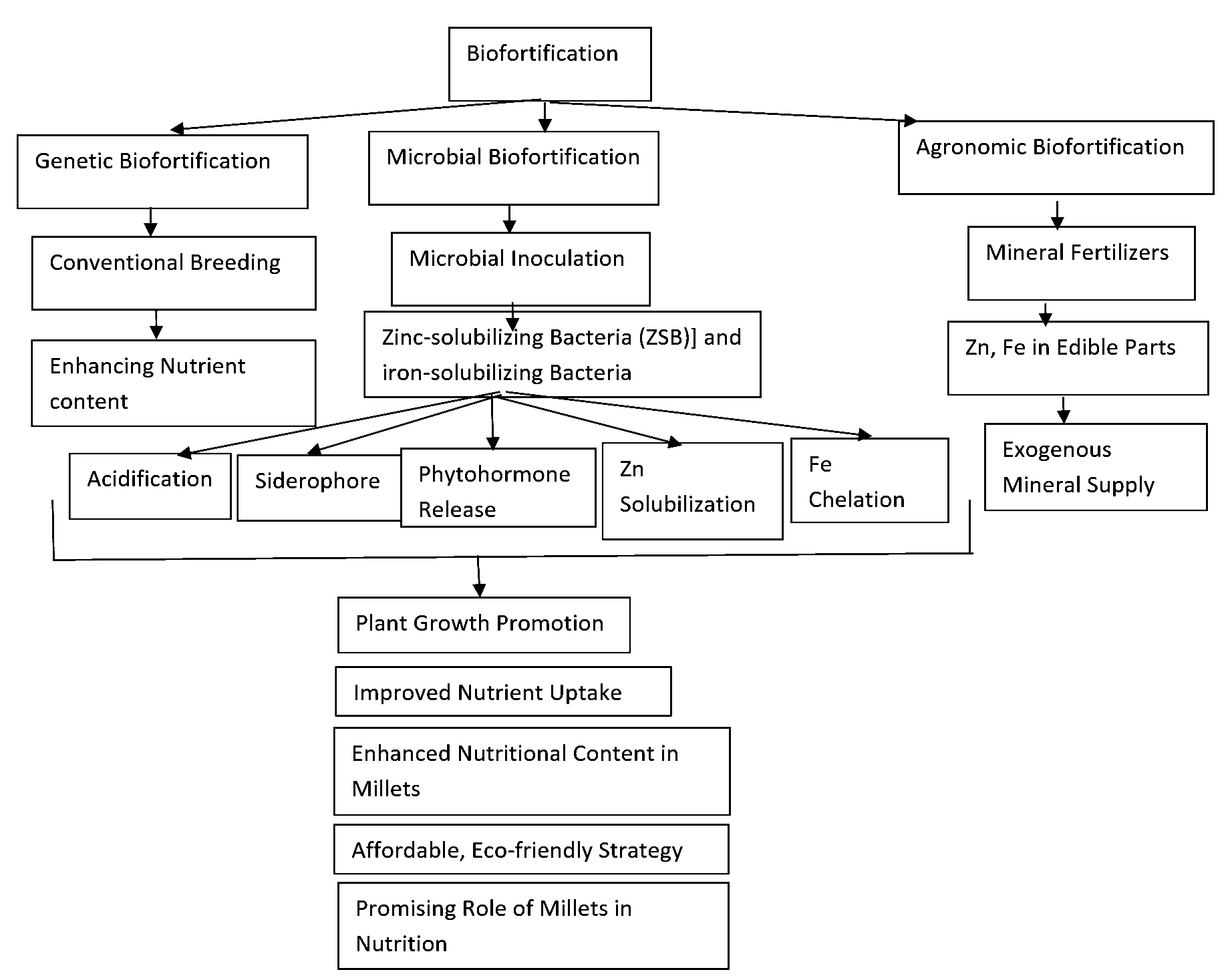
Figure 2. Various Approaches of Biofortification in use
Plant growth promoting rhizobacteria
The productivity of agriculture can be increased by using bioinoculants of endophytes which has been proposed as an effective alternative for improving crop yield. Endophytes have important role in helping plants growth and adapt to different environmental conditions throughout their lifecycle. Inoculating plants with endophytes lead to enhanced plant growth and nutrient levels, prompting the development of multiple isolates as biofertilizers.11 Naturally existing PGPB have ability to convert insoluble phosphates into a soluble form, making phosphorus readily available for plant root absorption in the soil solution. Furthermore, PGPR can help plants handle both abiotic and biotic stresses, such as nutrient deficiencies, high temperatures and drought, exposure to harmful substances, and fighting against plant-damaging microorganisms. Using PGPB is a beneficial approach in terms of both the environment and economics showing positive outcomes for many different crops like beans, wheat, corn, peanuts, soybeans, eggplants, tomatoes, and peppers.31
Role of PGPR in enhancing quality and yield of millets
Traditional plant breeding methods have increased iron uptake in various crops. In the varieties, the content of iron has been increased by 2-5 folds. The inclusion of these fortified foods have the potential to meet extra 20%-30% of recommended dose in children (3-6 years) and women (not pregnant or breastfeeding).32 In another study the consumption of the iron fortified pearl millet increased the iron absorption thrice as compared to the normal pearl millet.33
Bacteria with metal resistance properties are given an account to enhance nutrient consumption, growth as well as biomass production of the plant under stress conditions.34,35 Absorption of iron from the soil by plant by PGPR has been attributed to the production of siderophores24,35-37 studied potential of a consortium of microorganisms that can solubilize iron and zinc. Microorganisms, besides being a source of iron and zinc sources, have an impact on the yield and quality of sugarcane. The findings showed that the highest levels of cane and sugar production were achieved in the location where application of a blend of iron and zinc solubilizing microorganisms at a rate of 5.0 liters per hectare with full coverage. Sources of NPK, 100% iron, and zinc are included. The use of 25 kg/ha and 20 kg/ha caused in a notable increase in cane production. A yield of 138.96 tons per hectare was achieved, followed by 135.65 tons per hectare when using 5.0 liters per hectare of iron and zinc solubilizing bioinoculants, containing 50% iron and zinc. A total of 22.5 kg/ha was applied to the control plot, which had a yield of 110.12 t/ha. 100% nitrogen, phosphorus, and potassium fertilizers were used. The ratio of base to catalyst was significantly higher at 1:2.77 in the same sample.
Zinc-solubilizing bacteria
Zinc-solubilizing bacteria (ZSB) serve the cost-effective strategy for zinc biofortification, presenting an optimal sustainable solution. This method is a budget-friendly alternative for enhancing zinc levels in crops, thereby promoting environmentally sustainable agricultural practices. The presence of microorganisms is essential for zinc solubilization, improving the capacity of the microbes to dissolve different insoluble zinc complexes can significantly enhance the bioavailability of zinc in agriculture.17 However, the impact of plant-microbe interactions on plant development and iron availability has not been extensively studied. Plant microbe interaction and the use of plant which accumulate metals are used in phytoremediation, these are less harmful to environment and budget friendly technique for extracting and stabilizing metals from polluted soil having higher concentration of metals.24,46
Siderophore production
Plant growth promoting rhizobacteria are endophytes which promote growth and development of plant by the release of phytohormones. They are effective biocontrol agents for various plant diseases. They also increase the uptake of plant nutrient by solubilization.11 One method by which microorganisms dissolve zinc is through acidification which results in the decreased pH by release of organic acid into the soil, where they bind with the Zn cation. They are also involved in the production of siderophore which cause the n solubilization.11 Bacteria with the capacity to produce siderophores enhance the uptake and mobility of iron by chelating iron-rich soil ions (Table 2). Furthermore, metal-tolerant bacteria’s synthesis of phytohormones and minerals solubilization in soil increases plant health.24 Therefore, it is crucial to identify affordable cereal crops that are rich nutritional value. Millets may provide a promising solution for this challenge.16
Table (2):
Role of some microbial inoculants in biofortification of millets
Millet / Crop |
Microbe(s) (Inoculant) |
Mineral(s) Increased / Biofortified |
Key Effects & Notes |
Reference |
|---|---|---|---|---|
Pearl Millet (Pennisetum glaucum) |
Glomus mosseae (Arbuscular Mycorrhizal Fungus, AMF) + organic residues (cow dung or horse manure) |
↑ Zinc (Zn), ↑ Iron (Fe), ↑ Phosphorus (P), ↑ Potassium (K) in foliar biomass |
Mycorrhizal inoculation + organic fertilization improved growth and micronutrient uptake; improvements seen in aerial parts, not just roots. |
38 |
Finger Millet (Eleusine coracana) |
Endophytic fungi (Aspergillus terreus, Lecanicillium sp.) and bacteria (Pseudomonas bijieensis, Priestia megaterium) with Zn‑solubilizing & PGP traits |
↑ Zinc content in grains (≈12–18.8% over control); also increased N, P, K in seeds |
Pot experiment using Zn carbonate as Zn source; endophytes also stable under varied pH, temperature, salinity. |
11 |
Pearl Millet (Pennisetum glaucum) |
Phosphorus-Solubilizing Bacteria (PSB), specifically Bacillus sp. MN54, combined with inorganic + organic P sources |
↑ Iron, ↑ Zinc, ↑ Protein, ↑ Phosphorus in grains |
Combined P application (organic + inorganic) + PSB led to better grain quality and mineral content. |
39 |
Foxtail Millet (Setaria italica) |
Rhizobacteria & endophytic microbes (Nitrogen-fixing, P & K-solubilizing) as single strains and in consortium |
↑ Nutrient uptake (P, K etc.), improved seed protein content; mineral content data not always specific to Zn/Fe |
The microbial consortium and individual inoculations improved yield and seed nutrient levels in pot studies. |
40 |
Pearl Millet (Pennisetum glaucum) |
Endophytic Bacillus strains (Fe‑phosphate solubilizing, siderophore producers, IAA producers) |
↑ N, P, K uptake; shoot & root biomass increased under P‑deficient soils |
Especially under low P conditions; helps mobilize iron phosphate etc. (though explicit grain Fe increases not always reported). |
31 |
Pearl Millet (Pennisetum glaucum) |
Inoculation with Azospirillum + Bacillus spp. (co‑inoculation) |
Improved plant growth & germination under moisture stress, enhanced P, K, Zn solubilization traits, etc. |
Early seedling stage; while mineral increases in plants are likely, direct grain mineral biofortification data limited in this study. |
41 |
Pearl Millet (Pennisetum glaucum) |
Plant Growth Promoting Rhizobacteria (PGPR) + Fe & Zn enriched FYM (farm yard manure) + NPK fertilizers (various micronutrient management / fertifortification strategies) |
Zinc & Iron in grains; also yield & nutrient uptake |
Best treatment (enriched FYM + PGPR + NPK) gave for hybrid ICMH‑1202: ~ 50.52 mg/kg Zn and ~ 83.88 mg/kg Fe in grain, with significantly higher grain yield (~2203 kg/ha) compared to other treatments. |
42 |
Pearl Millet (Pennisetum glaucum) |
Plant Growth Promoting Rhizobacteria (PGPR) + Fe & Zn enriched FYM (farm yard manure) + NPK fertilizers (various micronutrient management / fertifortification strategies) |
Zinc & Iron in grains; also yield & nutrient uptake |
Best treatment (enriched FYM + PGPR + NPK) gave for hybrid ICMH‑1202: ~ 50.52 mg/kg Zn and ~ 83.88 mg/kg Fe in grain, with significantly higher grain yield (~2203 kg/ha) compared to other treatments. |
43 |
Foxtail Millet (Setaria italica) |
Azotobacter, Azospirillum, Pseudomonas fluorescens + Micronutrients (Zinc, Boron, Iron) |
Growth traits; macro‑ and micro‑nutrient uptake (Zn, Fe, etc.) increased in plant biomass; yield improvement |
Seed inoculation with Azotobacter + Zn + Fe etc increased plant height, tillers, grain yield, also improved nutrient uptake. Combined treatment best. Some treatments with biofertilizer + micronutrients significantly increased growth, yield attributes. |
44 |
Foxtail Millet (Setaria italica) |
Microalgae biofertilizer (various Chlorella spp.) |
Improved N & P content in seedlings under N and P deficiency; improved growth, biomass, photosynthetic pigments |
Under nutrient stress, microalgal inoculant helped maintain growth, improved N, P content and expression of N and P transporter genes. Useful in low‑input systems. |
45 |
Nutrient uptake and plant Growth
The PGPR are reported to enhance the plant growth and production via affecting nutrient solubilization and release of plant growth hormone. Organisms like Azospirillum, Phosphorus Solubilizing Bacteria and Potassium-Solubilizing Bacteria, known as organics and PGPR that provide the benefit of nutrient mineralization by acting in the rhizosphere and releasing organic acids. In order to increase the levels of zinc and iron in the eatable parts of seeds, it is necessary to overcome barriers that hinder the movement of these nutrients from the roots to the economically valuable parts of the plant, resulting in low accumulation. The organic material acts as an energy source for the applied PGPR, enhancing its action in the soil to promote the accessibility and consumption of nutrients. The uptake of nutrients from soil was enhanced, leading to increase in plant accumulation.39
Increased availability
Plant growth influenced by ZSB is typically a result of either direct or indirect strategies related to plant growth. Zinc sulfate may impact plant hormone levels and help plants absorb important micronutrients by increasing organic acids and enzymes through direct means (Table 2). The other mechanism feature involves the production of secondary chemicals, particularly antibiotic substances. These substances may help reduce plant damage from pathogens like soil fungi and bacteria. Furthermore, zinc-solubilizing bacteria have the capacity to alter soil characteristics, thereby increasing the access of zinc to plants.17
Deficiency of micronutrient is also known as ‘Hidden hunger’. It is caused due to inadequate availability of vitamins and minerals in diet. A lack of micronutrients, specifically iron and zinc, in the diet is impacting a large population of world. Iron deficiency is the most common nutritional issue. It mostly affects children’s ability to learn and their physical and mental growth. In Plants Iron (Fe) is an important micronutrient needed by the plants for physiological activities and it has the potential to reverse the chlorosis in the plant as it is reported in the biosynthesis of chlorophyll. Iron is also important for various cellular functions in plants such as, respiration, photosynthesis, and plant growth hormones and DNA and RNA synthesis. Iron-containing protein such as cytochrome contains iron which participates in the electron transport system in chloroplast and mitochondria in the plant. Many nutritional and health benefits are attributed to the millets which are underutilized and overlooked due to a lack of awareness among the public and several challenges such as poor cooking quality, undesirable taste, and low nutritional absorption. These issues can be addressed to render millets a valuable food source for poor families and can increment their income besides overcoming malnutrition. Zinc and Iron solubilizing bacteria can be used to enhance the quality and yield of millets as they have plant growth promoting activities. They increase the bioavailability of Zn and Iron to the plants by siderophore production in the soil causing acidification and chelation of these ions.
ACKNOWLEDGMENTS
None.
CONFLICT OF INTEREST
The authors declare that there is no conflict of interest.
AUTHORS’ CONTRIBUTION
NiG and NaG wrote the manuscript. PV, RB, MG and GK reviewed, revised and approved the final manuscript for publication.
FUNDING
None.
DATA AVAILABILITY
All datasets generated or analyzed during this study are included in the manuscript.
ETHICS STATEMENT
Not applicable.
- Tiwari N, Tiwari S, Tripathi N. Genetic characterization of Indian little millet (Panicum sumatrense) genotypes using random amplified polymorphic DNA markers. Agric Nat Res. 2018;52(4):347-53.
Crossref - Ch H, Patro TSSK, Anuradha N, Triveni U, Jogarao P, Rani YS. Estimation of nutritive composition of seven small millets. J Pharmaco Phytochem. 2020;9(3):1871-1874.
- Waful WN, Korir NK, Ojulong HF, Siambi M, Gweyi-Onyango JP. Protein, calcium, zinc, and iron contents of finger millet grain response to varietal differences and phosphorus application in Kenya. Agronomy. 2018;8(2):24.
Crossref - Kumar A, Tomer V, Kaur A, Kumar V, Gupta K. Millets: a solution to agrarian and nutritional challenges. Agric Food Secur. 2018;7:39.
Crossref - Abah CR, Ishiwu CN, Obiegbuna JE, Oladejo AA. Nutritional composition, functional properties and food applications of millet grains. Asian Food Sci J. 2020;14(2):9-19.
Crossref - Hassan ZM, Sebola NA, Mabelebele M. The nutritional use of millet grain for food and feed: A review. Agric Food Secur. 2021;10(1):16.
Crossref - Ambati K, Sucharitha KV. Millets-Review on Nutritional Profiles and Health Benefits. Int J Recent Sci Res. 2019;10:33943-33948.
Crossref - Chaudhary R, Kumar V, Gupta S, Kumar A, Bhandari G, Kumar V. Micronutrients biofortification of millets: A sustainable approach. Afr J Bio Sci. 2024;6(7):2663-2187.
Crossref - Govindaraj M, Kanatti A, Rai KN, Pfeiffer WH, Shivade H. Association of grain iron and zinc content with other nutrients in pearl millet germplasm, breeding lines, and hybrids. Front Nutr. 2022;8:746625. doi: 10.3389/fnut.2021.746625.
Crossref - Velekat SA, Ramachandra B, Manjunatha H, Malashree L, Rajunaik B. Exploring Nutritional Diversity in Millets: A Comparative Study on Protein and Crude Fiber Content. J Sci Res Rep. 2024; 30(11):458-65.(hal-05060746)
- Chaudhary R, Kumar V, Gupta S, et al. Finger millet (Eleusine coracana) plant-endophyte dynamics:plant growth, nutrient uptake, and zinc biofortification. Microorganisms. 2023;11(4):973.
Crossref - Tasie MM, Gebreyes BG. Characterization of nutritional, antinutritional, and mineral contents of thirty five sorghum varieties grown in Ethiopia. Int J Food Sci. 2020;2020(1):8243617.
Crossref - Gaddameedi A, Sheraz S, Kumar A, et al. The location of iron and zinc in grain of conventional and biofortified lines of sorghum. J Cereal Sci. 2022;107:103531.
Crossref - Fang Y, Wang L, Xin Z, Zhao L, An X, Hu Q. Effect of foliar application of zinc, selenium, and iron fertilizers on nutrients concentration and yield of rice grain in China. J Agric Food Chem. 2008;56(6):2079-2084.
Crossref - Qureshi MT, Ahmad MF, Iqbal N, et al. Agronomic bio-fortification of iron, zinc and selenium enhance growth, quality and uptake of different sorghum accessions. Plant Soil Environ. 2021;67(10):549-557.
Crossref - Kumar K, Thakur L, Anjani K, Singh SK. Biochemical characterization of grain iron and zinc content in little millet genotypes. J Pharm Innov. 2023;12(5):4399-402.
- Singh S, Chhabra R, Sharma A, Bisht A. Harnessing the Power of Zinc-Solubilizing Bacteria:A Catalyst for a Sustainable Agrosystem. Bacteria. 2024;3(1):15-29.
Crossref - Anuradha N, Satyavathi CT, Meena MC, et al. Evaluation of pearl millet [Pennisetum glaucum (L.)] for grain iron and zinc content in different agro climatic zones of India. Indian J Genet. 2017;77(1):65-73.
Crossref - Talpur S, Afridi HI, Kazi TG, Talpur FN. Interaction of lead with calcium, iron, and zinc in the biological samples of malnourished children. Biol Trace Elem Res. 2018;183(2):209-217.
Crossref - Gernand AD, Schulze KJ, Stewart CP, West KP, Christian P. Micronutrient deficiencies in pregnancy worldwide:health effects and prevention. Nat Rev Endocrinol. 2016;12(5):274.
Crossref - Kamran S, Shahid I, Baig DN, Rizwan M, Malik KA, Mehnaz, S. Contribution of zinc solubilizing bacteria in growth promotion and zinc content of wheat. Front Microbiol. 2017;8:2593.
Crossref - Verma S, Chakdar H, Kumar M, Varma A, Saxena AK. Microorganisms as a sustainable alternative to traditional biofortification of iron and zinc:status and prospect to combat hidden hunger. J Soil Sci Plant Nut. 2021;21(2):1700-1717.
Crossref - Ghosh S, Pareek N, Rawerkar KP, Chandra R, Pachauri SP, Kaushik S. Prospective zinc solubilizing microorganisms for enhanced growth and nutrition in maize (Zea mays L.). Int J Curr Microbiol Appl Sci. 2019;8(8):2727-2771.
Crossref - Chandwani S, Chavan SM, Paul D, Amaresan N. Bacterial inoculations mitigate different forms of iron (Fe) stress and enhance nutrient uptake in rice seedlings (Oryza sativa L.), Environ Technol Innov. 2022;1(26):102326.
Crossref - Schmidt W, Thomine S, Buckhout TJ. Editorial:iron nutrition and interactions in plants. Front Plant Sci. 2020;10:1670.
Crossref - Rout GR, Sahoo S. Role of iron in plant growth and metabolism. Rev Agric Sci. 2015;3:1-24.
Crossref - Satwadhar P, Ismail S, Dhamak AL, Chavan RV. Impact of iron and zinc agronomic biofortification on yield, concentration and uptake of nutrients in wheat as affected by iron and zinc solubilizing microbial inoculants. Int J Adv Biochem. 2024;8(4):192-99.
Crossref - Anitha S, Kane-Potaka J, Botha R, et al. Millets can have a major impact on improving iron status, hemoglobin level, and in reducing iron deficiency anemia-a systematic review and meta-analysis. Front Nutr. 2021;14(8):725529.
Crossref - Gangashetty PI, Riyazaddin M, Sanogo MD, et al., Ignatius AI Identification of high-yielding iron-biofortified open-pollinated varieties of pearl millet in West Africa. Front Plant Sci. 2021;22(12):688937.
Crossref - White PJ, Broadley MR. Biofortification of crops with seven mineral elements often lacking in human diets-iron, zinc, copper, calcium, magnesium, selenium and iodine. New Phytol. 2009;182(1):49-84.
Crossref - Ribeiro VP, Marriel IE, de Sousa SM, et al. Endophytic Bacillus strains enhance pearl millet growth and nutrient uptake under low-P. Braz J Microbiol. 2018;49(Suppl 1):40-46.
Crossref - Boy E, Haas JD, Petry N, Cercamondi CI, Gahutu JB, Mehta S, Hurrell RF. Efficacy of iron-biofortified crops. Afr J Food Agric Nutr Dev. 2017;17(2):11879-11892.
Crossref - Cercamondi CI, Egli I M, Mitchikpe E, Tossou F, Zeder C, Hounhouigan JD. Total iron absorption by young women from iron-biofortified pearl millet composite meals is double that from regular millet meals but less than that from post-harvest iron-fortified millet meals. J Nutr. 2013;143(9):1376-1382.
Crossref - Kartik VP, Jinal HN, Amaresan N. Characterization of cadmium resistant bacteria for its potential in promoting plant growth and cadmium accumulation in Sesbania bispinosa root. Int J Phytoremediation. 2016;18(11):1061-1066.
Crossref - Jinal HN, Gopi K, Prittesh P, Kartik VP, Amaresan N. Phytoextraction of iron from contaminated soils by inoculation of iron-tolerant plant growth-promoting bacteria in Brassica juncea L. Czern Environ Sci Pollut Res. 2019;26(32):32815-32823.
Crossref - Jin CW, Ye YQ, Zheng SJ. A underground tale: contribution of microbial activity to plant iron acquisition via ecological processes. Ann Bot. 2014;113(1):7-18.
Crossref - Ghodke SD, Jadhav DS. Potential of consortium of iron and zinc solubilizing microorganisms along with graded levels iron & zinc sources on yield and quality of sugarcane. The Pharma Innovation Journal. 2023;12(2):705-710.
- Founoune-Mboup H, Diallo B, Adigoun RFR, Kane A, Fall AF. Contribution of arbuscular mycorrhizal fungi to the bioavailability of micronutrients (iron and zinc) in millet accessions. Front Plant Sci. 2024;23(15):1364469.
Crossref - Majeed A, Farooq M, Naveed M, Hussain M. Combined application of inorganic and organic phosphorous with inoculation of phosphorus solubilizing bacteria improved productivity, grain quality and net economic returns of pearl millet (Pennisetum glaucum [L.] R. Br.). Agronomy. 2022;12(10):2412.
Crossref - Khatri, D, Durgapal A, Joshi PK. Biofertilization Enhances Productivity and Nutrient Uptake of Foxtail Millet Plants. J Crop Improv. 2016;30(1):32-46.
Crossref - Yaadesh S, Tomar GS, Kaushik R, Prasanna R, Grover M. Azospirillum-Bacillus associations:synergistic effects on in vitro PGP traits and growth of pearl millet at early seedling stage under limited moisture conditions. 2023;13(3):90.
Crossref - Francis N, Rajasekaran R, Krishnamoorthy I, Muthurajan R, Thiyagarajan C, Alagarswamy S. Gamma irradiation to induce beneficial mutants in proso millet (Panicum miliaceum L.):an underutilized food crop. Int J Radiat Biol. 2022;98(7):1277-1288.
Crossref - Lakshmi EJ, Kumar MD, Sawargaonkar GL, Naik AHK, Dhananjaya BC. Zinc and iron biofortification in pearl millet cultivars as influenced by different fertifortification strategies in semi-arid tropics. J Plant Nutr. 2022;46(4):589-99.
Crossref - Pragathi M, Kumar P, Mehera B, Sandhya M, Reddy MSP. Effect of biofertilizers and micronuturients on growth and yield of Foxtail millet (Setaria italica L.). Int J Adv Biochem Res 2025;9(5):895-898.
Crossref - Hui-min L, Jiong-shan L, Ke-yan Z, et al. Microalgae biofertilizer increases foxtail millet tolerance to nitrogen and phosphorus stress. J Plant Nutr Fertilizers. 2024;30(6):1130-1141.
Crossref - Jinal HN, Gopi K, Kumar K, Amaresan N. Effect of zinc-resistant Lysinibacillus species inoculation on growth, physiological properties, and zinc uptake in maize (Zea mays L.). Environ Sci Pollut Res. 2020;28(6):6540-6548.
Crossref
© The Author(s) 2026. Open Access. This article is distributed under the terms of the Creative Commons Attribution 4.0 International License which permits unrestricted use, sharing, distribution, and reproduction in any medium, provided you give appropriate credit to the original author(s) and the source, provide a link to the Creative Commons license, and indicate if changes were made.